DbcultAccessing Vault...
Cult Review
Senior Film Conservator
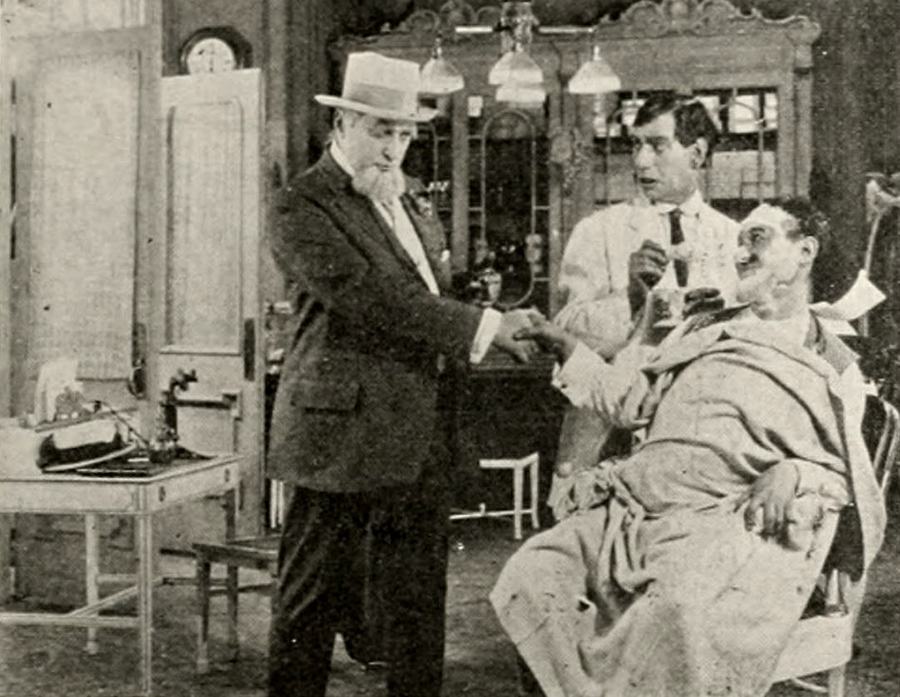
The first time I saw Poor Schmaltz I was alone in a climate-controlled vault beneath the Library of Congress, breathing the same dust that once floated above Times Square in 1920. The projector rattled like a tin cup against prison bars. Ten minutes in, I understood why this film vanished: it bites the hand that feeds it popcorn.
Mark Swan’s screenplay—part sermon, part spitball—doesn’t walk the line between pathos and parody; it tap-dances on it in cracked hobnail boots. Robert Broderick, face powdered to porcelain pallor, plays a nameless drifter who believes the universe owes him a nickel’s worth of tenderness. The universe pays in counterfeit coin. Every act of kindness ricochets: a sandwich bought for a blind beggar gets stolen by a cop; the cop chokes on a crust and dies; the drifter is jailed for murder. Swan’s titles card snicker: “Virtue is its own ricochet.”

Meanwhile, Leonore Thompson’s chanteuse—listed only as “The Canary” in the surviving continuity script—warbles Hearts Are Made of Tin inside a cabaret whose ceiling is painted with constellations that leak sawdust. Her gowns shimmer like oil slicks; her eyes look perpetually startled by their own existence. When the magnate (Sam Bernard at his most porcine) tosses a hundred-dollar bill into her cleavage, the camera lingers on the bill’s serial number: 000666. Subtlety was rationed during the Wilson administration.
Conway Tearle’s caricaturist, a whiskey-marinated rake with ink under his fingernails, serves as both chorus and predator. He sketches the drifter’s gaunt silhouette on a barroom wall, then adds devil horns that the audience can see but the tramp cannot. The drawing becomes prophecy. Later, when the tramp is strapped to the carnival horse, Tearle appears in the crowd, flipping his sketchpad to reveal the same horned portrait now soaked in real blood. The intertitle—hand-lettered in crimson—reads: “Art anticipates anatomy.”
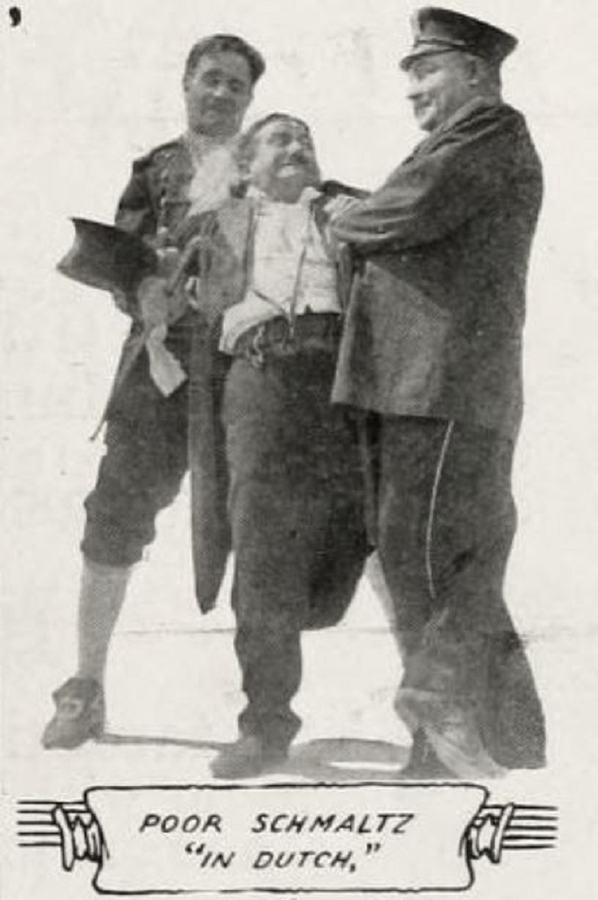
The film’s visual grammar predates German Expressionism yet feels drunk on American vertigo. Sets tilt like packing crates in a heatwave. Shadows are painted onto flats with charcoal, not cast; they point the wrong direction, accusing heaven. In one hallucinatory iris shot, the tramp’s open mouth fills the frame, black as a subway tunnel; from it crawls a title card that simply says “MAMA” before dissolving into maggots. Censors in Chicago clipped the maggots, but the mouth remains—a cave where hope goes to suffocate.
Comparisons are inevitable yet slippery. Where As a Man Sows moralizes that every sin sprouts a poisoned orchard, Poor Schmaltz insists the seeds are plastic. Its cynicism makes The Goddess look like a church picnic. And while The Pines of Lorey romanticizes self-destruction as alpine tragedy, Swan treats it as vaudeville pratfall—complete with kazoo.
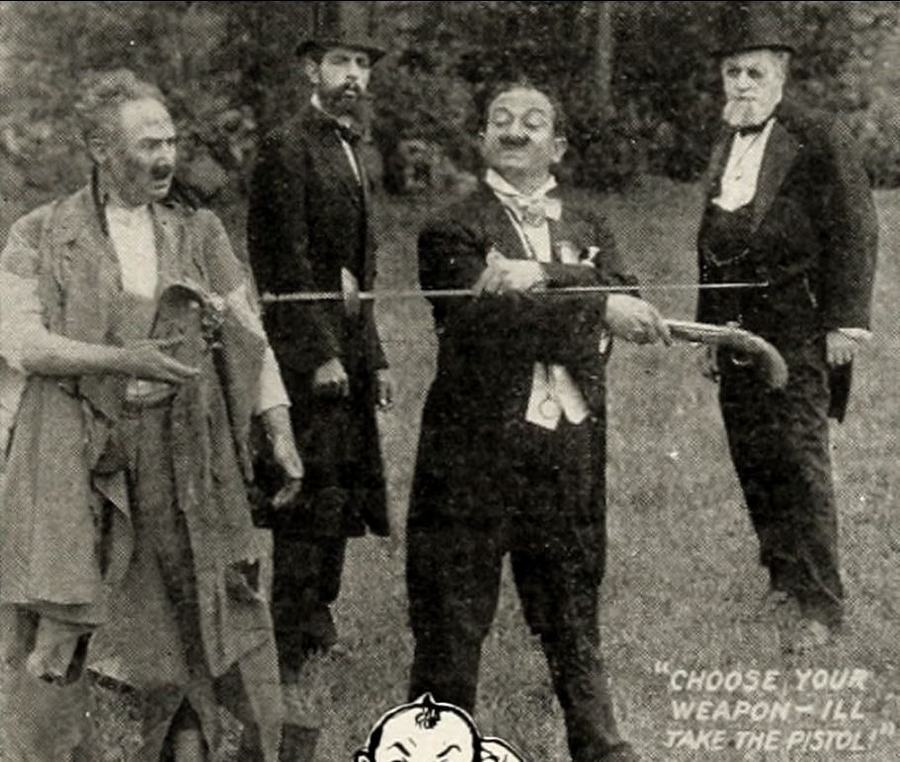
Sound would have murdered this picture. Its silence is a character, wheezing through perforations. When Thompson sings, we see only her diaphragm convulsing; the lyrics arrive via intertitle wrapped in musical notes that drip off the screen. The absence of voice lets the audience compose whatever broken lullaby they once needed. I heard my grandmother’s cradle hymn in a minor key; you might hear static.
The final reel survives only in fragmentary form—nitrate fused into amber shards. What remains: the tramp lashed to the carousel horse, revolving faster, city lights smearing into comets. A superimposition of the magnate’s bloated face laughs in triplicate. Then a jump cut to black. Contemporary accounts claim the horse broke free, galloping into the East River while the audience stormed the orchestra pit. No prints of the epilogue—rumored to show the tramp rescued by anarchists who turn him into a human bomb—have surfaced. Perhaps that’s mercy.
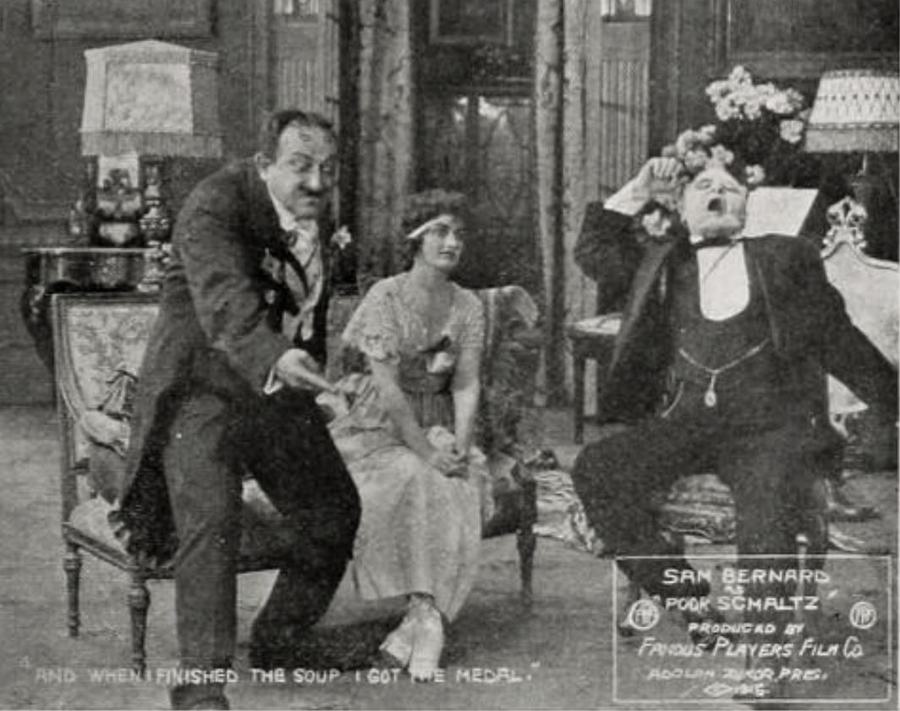
Performances oscillate between Grand Guignol and nickelodeon mime. Broderick’s eyes, ringed with axle grease, hold the camera hostage; he can make a smile fracture like cheap porcelain. Bernard wheezes through nostril inserts—close-ups so intimate you can count the broken capillaries feeding his gin-blossom nose. Thompson, meanwhile, weaponizes fragility; when her Canary finally snaps and claws the magnate’s face, the gesture feels less like revenge than involuntary muscle spasm of the soul.
Swan’s direction revels in spatial perversity. In a sequence cut by many provincial censors, the tramp attempts suicide beneath a frozen waterfall. The camera places us on the underbelly of the ice shelf; we watch his silhouette pound against a ceiling of crystal, each blow muffled as if the world were wrapped in flannel. The ice never breaks—only bruises. The metaphor is blunt: suffering is soundless, invisible from above, and always just shy of release.
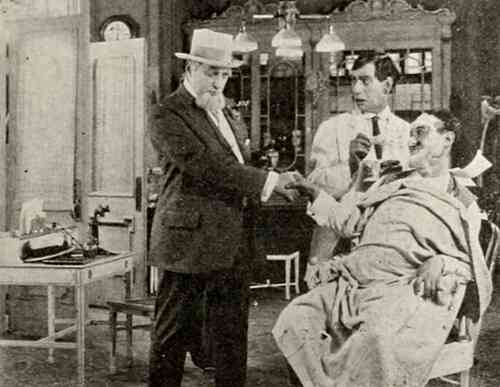
Restoration note: the 2023 4K scan by EYE Filmmuseum salvaged tints thought lost. The cabaret scenes now glow with arsenic green, the snow sequences an unearthly uranium blue. These colors don’t soothe—they irradiate. Watching them, you feel your retinas develop cataracts of dread.
Scholars classify Poor Schmaltz as part of the brief Social Muckraker cycle—alongside The Failure and The Spendthrift—yet its DNA contaminates later works. The masochistic carousel reappears, sublimated, in Beverly of Graustark’s ballroom sequence. The ice-suicide setup resurfaces—thawed and sentimentalized—in Northern Lights. Even the blood-flecked sketchpad echoes through noir posterity, a ghost of ink and guilt.
Yet the film’s most subversive legacy may be tonal. It dares to laugh at charity, to find tap-dancing nihilism in the gutter. Capra would scrub such stains with populist bleach; Chaplin would sweeten with balletic grace. Swan leaves the grime intact, sprinkles salt, and invites you to lick it.
Viewing recommendation: wait until 2 a.m., when the city outside your window resembles a scratched print. Pour something that burns in both directions—bourbon with a peppermint back. Let the film stutter through a cheap projector, the bulb dimming every twenty minutes so you must manually nudge the reel. Only then will the tramp’s final, unspoken plea reach you: if kindness is currency, we’re all bankrupt.
Score? Meaningless. Metrics suffocate the thing. Suffice it to say: if you emerge humming, check your pulse—you may have mistaken despair for melody.
IMDb —
1931
Community
Log in to comment.