DbcultAccessing Vault...
7.3/10
Senior Film Conservator
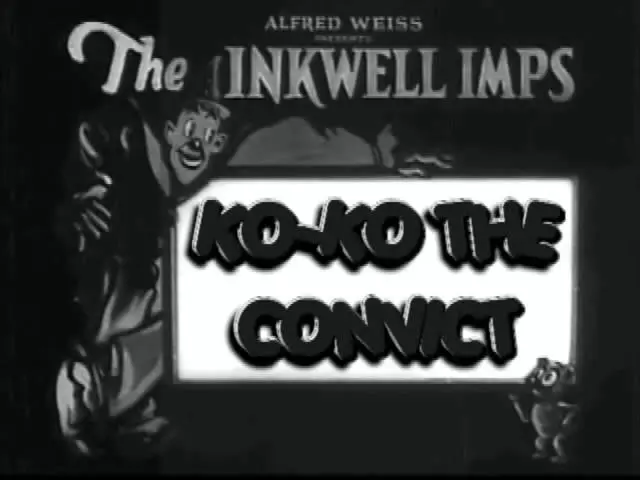
A definitive 7.3/10 rating for a film that redefined the boundaries of cult cinema. Koko the Convict remains a cornerstone of transgressive art.
Is Koko the Convict worth watching today? Short answer: yes, but only if you have a genuine appetite for the foundational DNA of slapstick comedy. It is a film for the animation historian and the fan of surrealist sight gags, but it is definitely not for those who require high-definition polish or a narrative that follows modern logic.
This seven-minute short is a relic that feels surprisingly alive. While many films from the mid-1920s feel like static museum pieces, Max Fleischer’s work here hums with a chaotic, rebellious energy. It’s a film about the anxiety of being replaced, told through the medium of ink blots and rotoscoping.
1) This film works because it treats the drawing board as a physical, tactile battlefield where the creator and the creation are on equal footing.
2) This film fails because the middle act, involving the prison rock-breaking, lingers slightly too long on a single gag.
3) You should watch it if you want to see the exact moment animation discovered it could be self-aware and meta-textual.
Max Fleischer was never just an animator; he was a tinkerer. In Koko the Convict, we see the full realization of his 'Out of the Inkwell' concept. The film opens with Max at his desk, a setup that immediately establishes a 'God-complex' dynamic. When the puppy enters the frame, the stakes are not just emotional; they are existential. Koko and Fitz aren't just jealous; they are fighting for their right to exist in Max's attention span.
The animation of Koko remains staggering. Thanks to the rotoscope—a device Fleischer invented to trace live-action footage—Koko moves with a fluid, uncanny grace that his contemporaries in 1924 simply couldn't match. Compare this to the more rigid movements found in Don't Weaken, and you see a massive leap in technical confidence. Koko doesn't just hop; he shifts his weight like a real human being, making his eventual 'imprisonment' feel strangely cruel.
There is a specific moment where Koko tries to hide from the puppy by flattening himself against a drawn line. It is a simple trick, but it showcases a sophisticated understanding of the medium. The film plays with the idea that the world of ink is both a sanctuary and a cage. When Max draws the prison bars, he isn't just setting a scene; he is exerting divine authority over his subjects.
Yes, Koko the Convict is worth your time because it represents the birth of the 'meta' narrative in film. It is a short, punchy exploration of the artist-subject relationship that predates more famous 'fourth-wall' breaks by decades. If you enjoy seeing how creative minds solved technical problems with limited tools, this is a masterclass in ingenuity.
It works. But it’s flawed. The pacing is a bit erratic, typical of the era's 'gag-a-minute' structure which sometimes sacrifices flow for a quick laugh. However, the sheer imagination on display compensates for the lack of a tight three-act structure. It’s a glimpse into a time when movies were still figuring out what they could be.
Koko is an interesting protagonist because he is fundamentally unlikable in this short. He is petty, vengeful, and mean to a harmless puppy. This is a refreshing departure from the sanitized, 'always-good' heroes of later animation. Fleischer’s Koko is a reflection of human id—unfiltered and reactionary. This gives the film a gritty edge that sets it apart from the whimsical nature of something like Rip Van Winkle.
The 'prison' sequence is where the film hits its surrealist peak. The way the bars are drawn around Koko, trapping him in real-time, is a visual metaphor for the constraints of the frame itself. The clown is literally trapped by his creator's whims. This isn't just comedy; it's a dark commentary on the lack of agency. Koko is a prisoner of the pen, and he knows it.
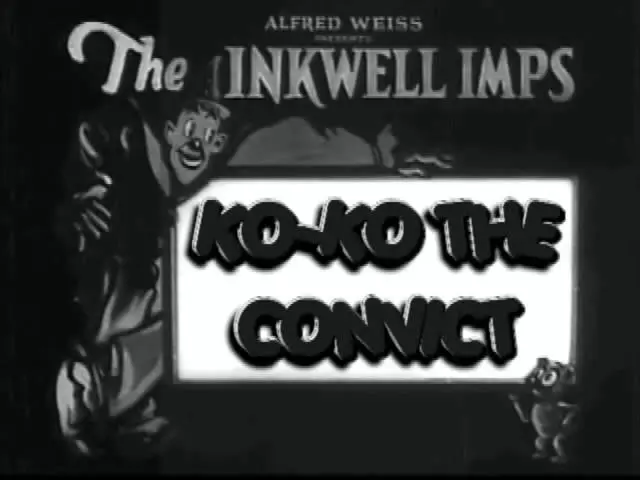
The interaction between the live-action puppy and the animated Fitz is another highlight. The puppy, oblivious to the 'reality' of the cartoon dog, creates a friction that is both funny and technically impressive for 1924. The compositing isn't perfect, but the commitment to the bit is absolute. It’s the kind of practical-meets-animated magic that influenced everything from Mary Poppins to Who Framed Roger Rabbit.
Fleischer’s directing style is surprisingly modern in its use of the 'close-up' on the drawing board. He understands that the desk is the stage. By keeping the camera mostly fixed on his workspace, he creates a sense of intimacy. We aren't just watching a cartoon; we are watching a man create a cartoon. This layers the experience, making the audience feel like co-conspirators in Koko’s punishment.
However, the pacing does feel 'silent-era heavy.' There are moments in the prison yard where Koko is breaking rocks that feel repetitive. While the physical comedy is top-notch, the sequence could have been trimmed by thirty seconds to maintain the frantic energy of the opening. It lacks the relentless narrative drive found in Hands Up!, which used physical comedy to move the plot forward more effectively.
The ending, where Koko eventually finds his way back into the inkwell, is both a relief and a reset. It suggests that no matter how much they rebel, these characters are tethered to their source. They can't escape the inkwell any more than we can escape our own realities. It’s a surprisingly heavy thought for a short about a clown and a puppy.
Pros:
The interaction between live-action and animation is still charmingly seamless. The 'meta' humor is decades ahead of its time. Koko’s facial expressions are incredibly evocative for such a simple design. It’s a short, easy watch that provides a lot of historical context.
Cons:
The soundtrack (in modern restorations) can sometimes be intrusive. The 'jealousy' plot is a bit thin, even for a short. Some of the gags feel a bit dated and rely on the novelty of the medium which has since worn off.
Koko the Convict is a fascinating artifact that manages to be more than just a historical footnote. It is a testament to Max Fleischer’s vision and his ability to see the screen as a place of infinite possibility. While it doesn't have the emotional depth of something like Lille Dorrit, it doesn't try to. It’s a pure exercise in visual play.
The film is a reminder that the 'rules' of cinema were still being written in 1924. Fleischer chose to break those rules before they were even dry on the page. It is a chaotic, slightly mean-spirited, but ultimately brilliant piece of filmmaking. If you have seven minutes, spend them with Koko. You’ll see the roots of every animated rebel that followed.
Koko is essentially a nihilist. He knows he's made of ink, yet he still fears the dog. That contradiction is what makes him human. It’s a weird, wonderful little film that deserves its place in the canon of great animation.
IMDb 6.5
1922
Community
Log in to comment.