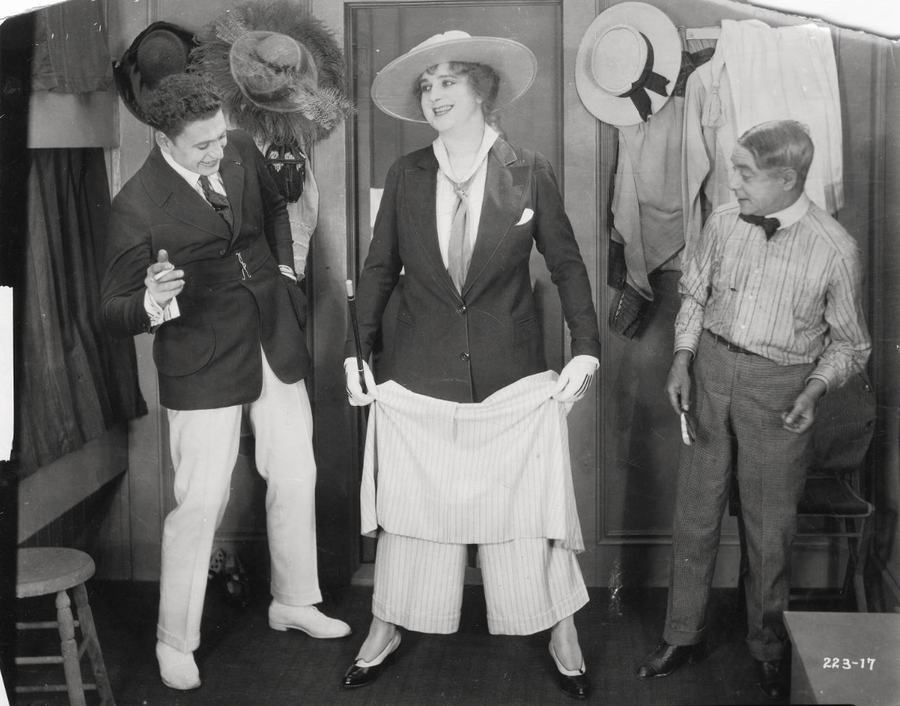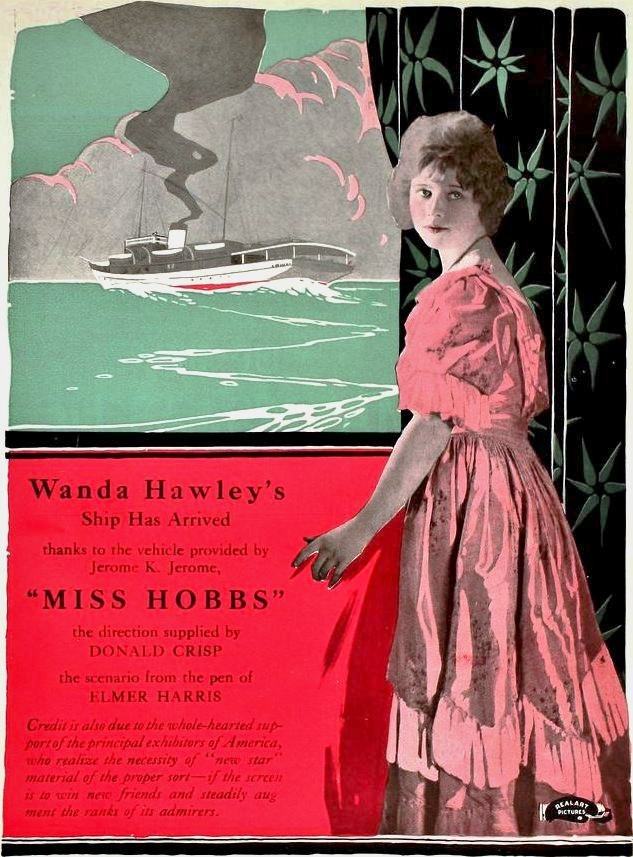
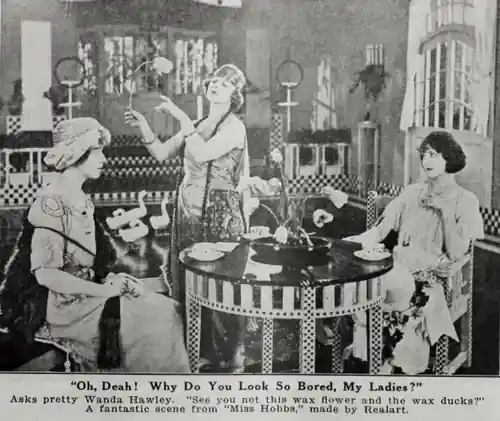
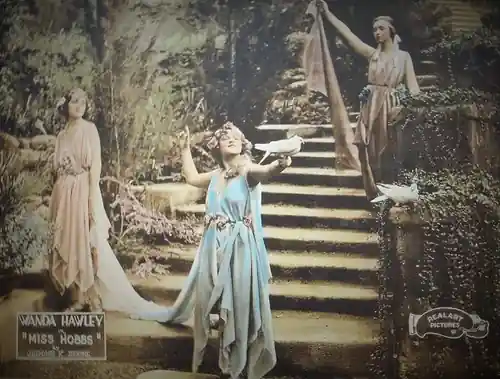
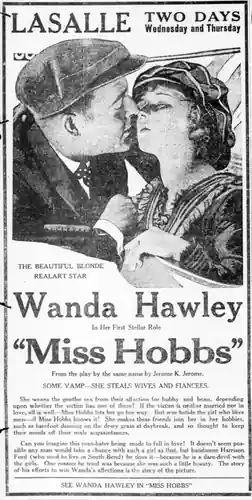
She was a very modern young woman, was Miss Hobbs. Her ideas were about 50 years ahead of time.
Elmer Harris, Jerome K. Jerome
United States
Ah, the roaring twenties! A decade of flappers, jazz, and a seismic shift in societal norms. Yet, even amidst this whirlwind of change, some ideas remained stubbornly entrenched, particularly concerning the role of women. Enter Miss Hobbs, a cinematic curiosity from this vibrant era, which, even in its summarized ...
still_frame
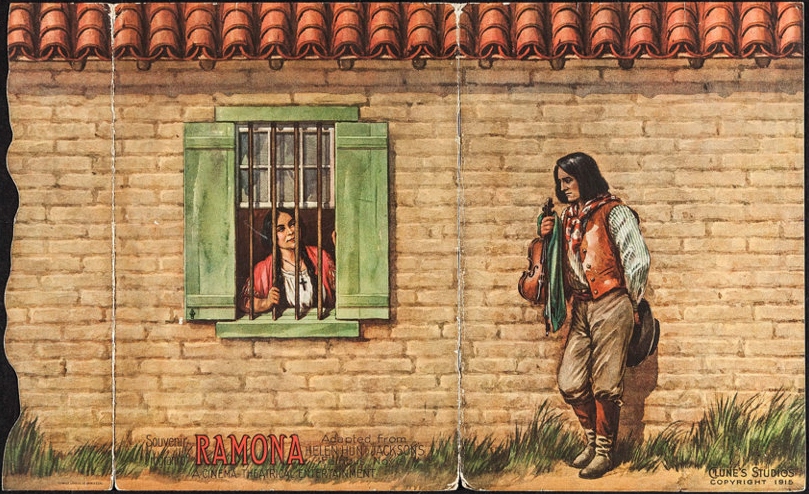
publicity
publicity
Comparing the cinematic DNA and archive impact of two defining moments in cult history.
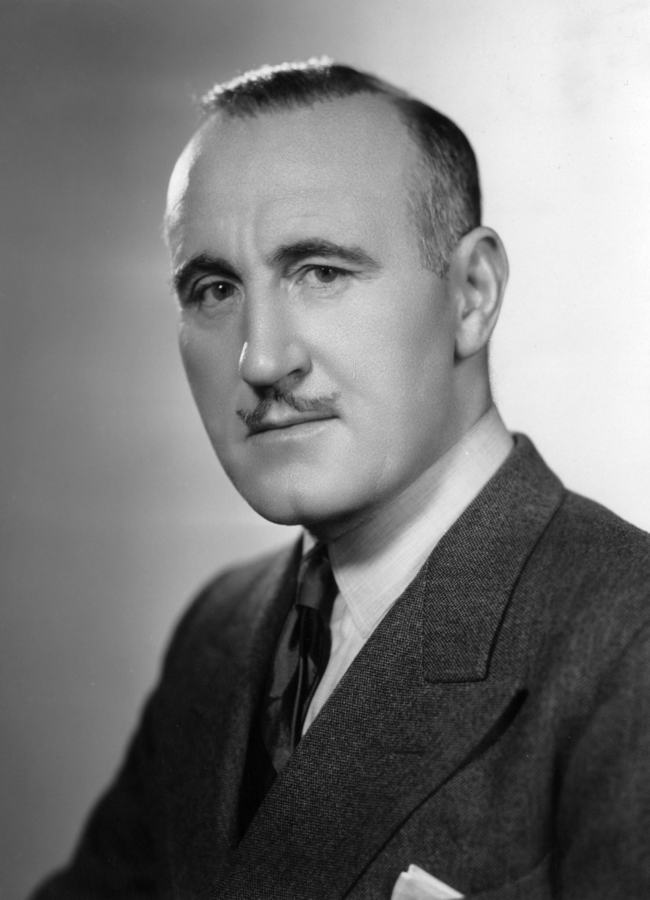
Donald Crisp
Donald Crisp
Community
Log in to comment.
" Ah, the roaring twenties! A decade of flappers, jazz, and a seismic shift in societal norms. Yet, even amidst this whirlwind of change, some ideas remained stubbornly entrenched, particularly concerning the role of women. Enter Miss Hobbs, a cinematic curiosity from this vibrant era, which, even in its summarized form, promises a fascinating, if somewhat problematic, glimpse into the anxieties and aspirations of a society grappling with female independence. This isn't merely a film; it's a ..."