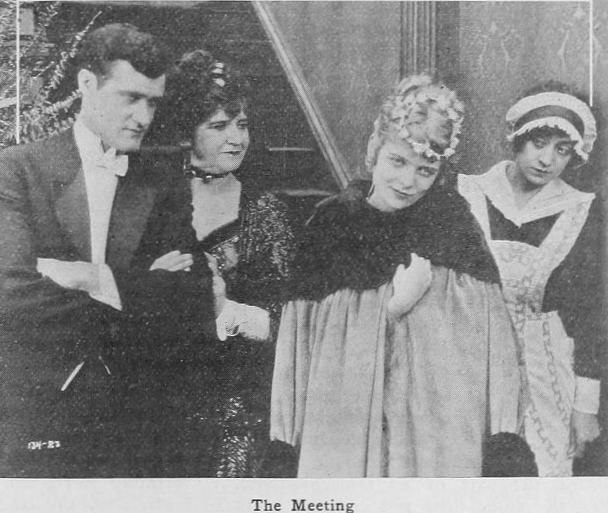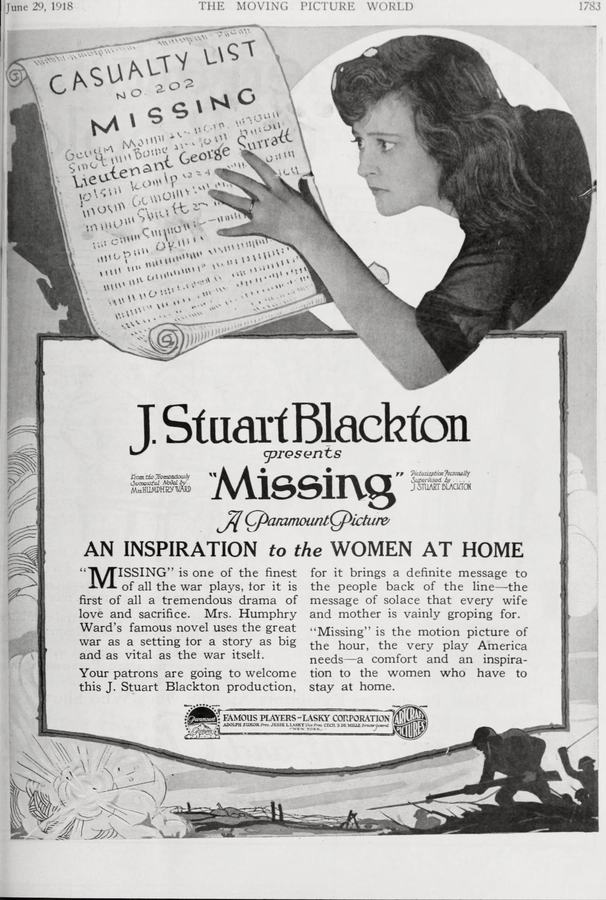
When a woman's husband is presumed dead in the war, her sister, for her own unscrupulous reasons, attempts to get her remarried. But the husband, it seems, is not dead after all.
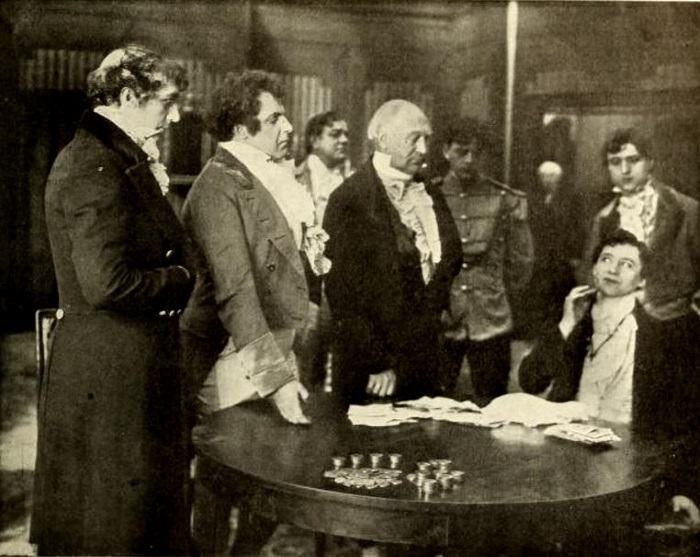
Mrs. Humphrey Ward, James Young, J. Stuart Blackton
United States
p{margin:0 0 1.2em 0;text-align:justify;} a{color:#EAB308;text-decoration:underline;} a:hover{color:#C2410C;text-decoration:none;} h2{color:#0E7490;font-weight:700;margin:1.8em 0 .6em 0;font-size:1.5em;border-bottom:1px solid #0E7490;padding-bottom:.2em;} blockquote{border-left:4px solid #C2410C;padding-left:1em;marg...
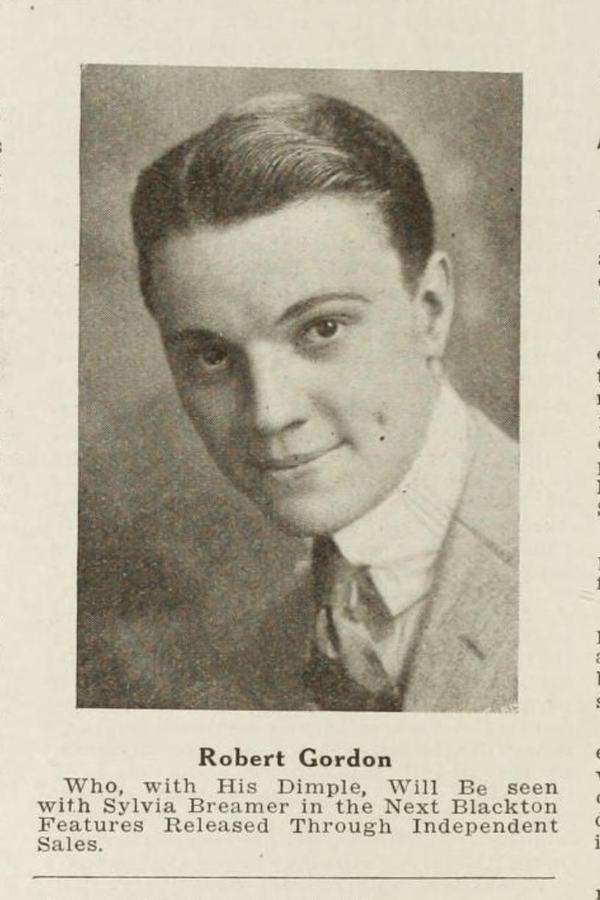
publicity
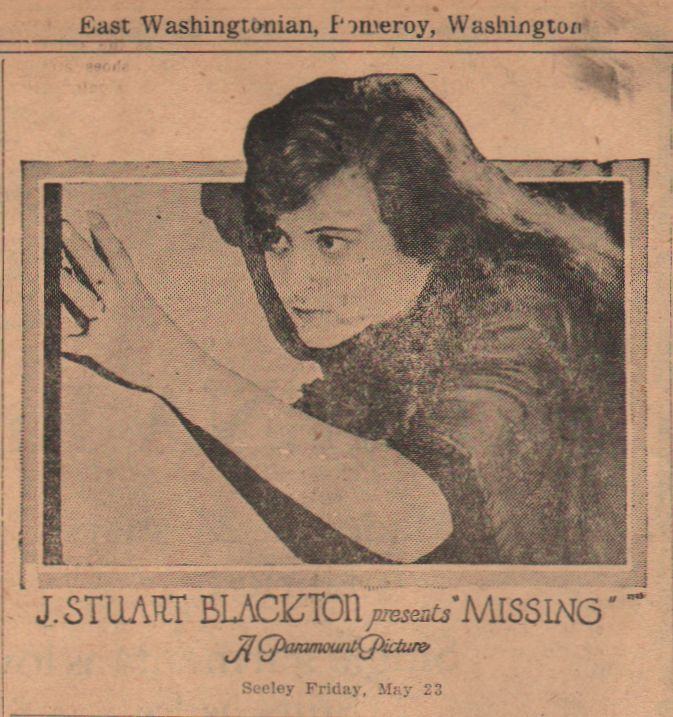
publicity
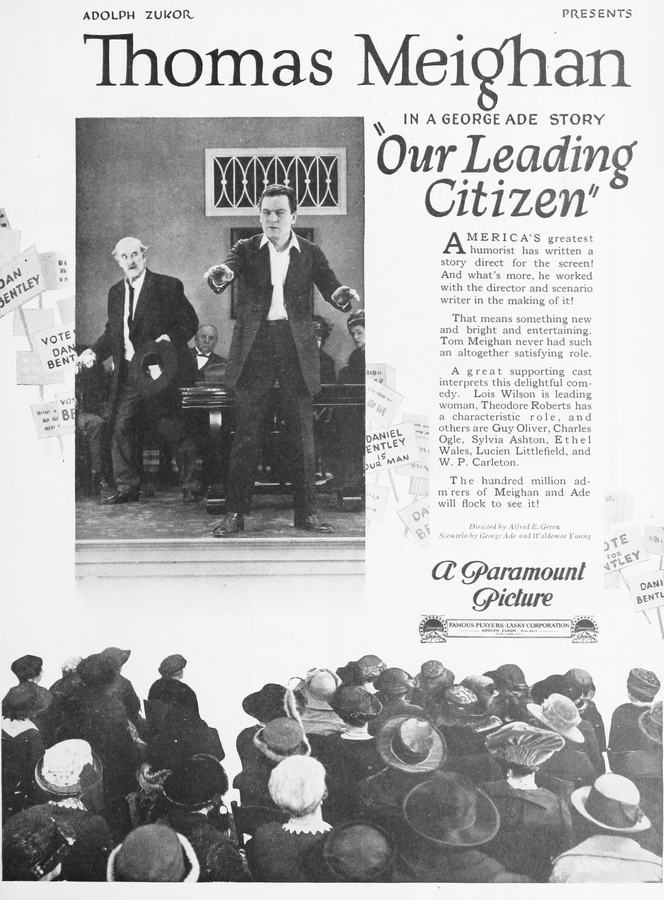
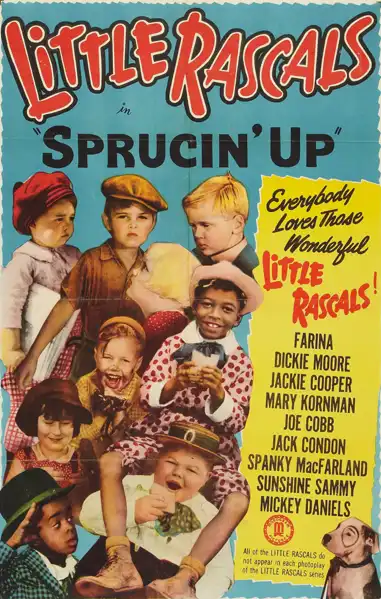
Comparing the cinematic DNA and archive impact of two defining moments in cult history.
James Young
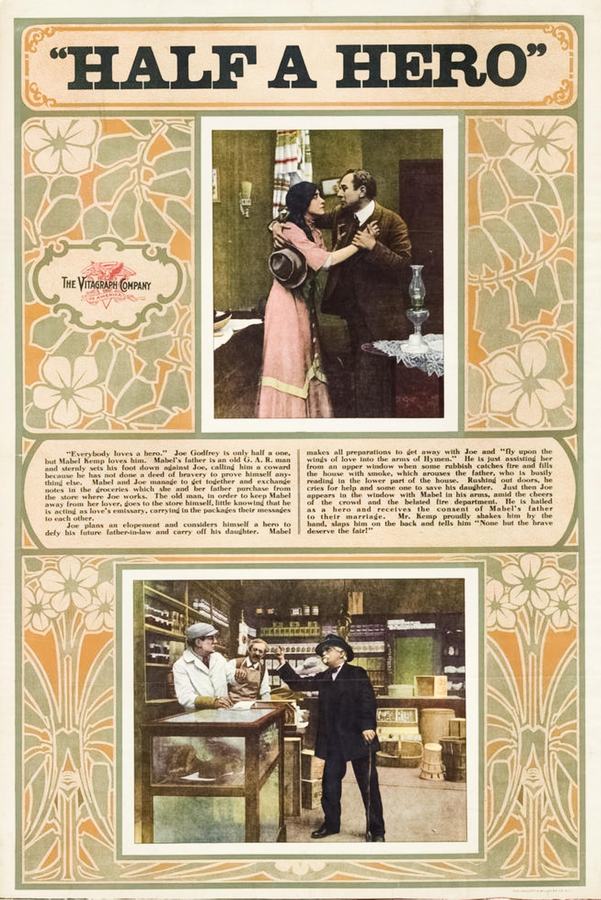
James Young
Community
Log in to comment.
" p{margin:0 0 1.2em 0;text-align:justify;} a{color:#EAB308;text-decoration:underline;} a:hover{color:#C2410C;text-decoration:none;} h2{color:#0E7490;font-weight:700;margin:1.8em 0 .6em 0;font-size:1.5em;border-bottom:1px solid #0E7490;padding-bottom:.2em;} blockquote{border-left:4px solid #C2410C;padding-left:1em;margin:1.2em 0;font-style:italic;color:#EAB308;background:rgba>cite::before{content:"— ";} ul{list-style:square inside;padding-left:1em;} li{margin:.4em 0;} Black-toned intertitles f..."