DbcultAccessing Vault...
4.9/10
Senior Film Conservator
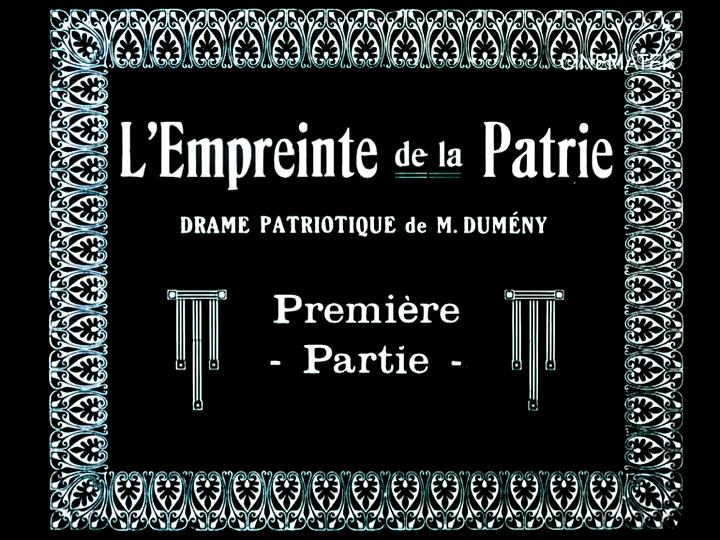
A definitive 4.9/10 rating for a film that redefined the boundaries of cult cinema. L'empreinte de la patrie remains a cornerstone of transgressive art.
The cinematic landscape often offers profound meditations on the human condition, but few films distill the agonizing intersection of familial duty and national honor with the raw intensity of L'empreinte de la patrie. This silent French drama, a compelling artifact from an era grappling with the fresh scars of global conflict, transcends its historical context to deliver a timeless narrative of misunderstanding, sacrifice, and the enduring, often unseen, cost of patriotism. It’s a film that eschews simplistic heroics for a nuanced exploration of the internal battles waged not just on the front lines, but within the hearts of those left behind, or those whose heroism takes a form unrecognizable to traditional military minds.
At its narrative epicenter lies a general, a man forged in the crucible of military tradition, whose very identity is inextricably linked to the rigid tenets of discipline and unwavering allegiance. His world, a meticulously ordered cosmos of command and obedience, is violently upended by the actions of his own son. The general perceives his progeny as a deserter, a profound betrayal that not only shatters his personal pride but, in his eyes, tarnishes the very fabric of the nation he so ardently serves. This perception, however, is tragically flawed, a testament to the blinding power of preconceived notions and the chasm that can open between generations, particularly during times of existential crisis. The son, far from abandoning his post, engages in a perilous, clandestine struggle against the German forces, his methods perhaps unconventional, but his resolve undeniably pure. This narrative pivot – the son’s true, hidden valor juxtaposed against his father’s condemning misapprehension – forms the dramatic engine of the film, propelling it forward with a quiet, yet potent, emotional force. It’s a masterful stroke of storytelling, inviting viewers to question the very definitions of courage and loyalty.
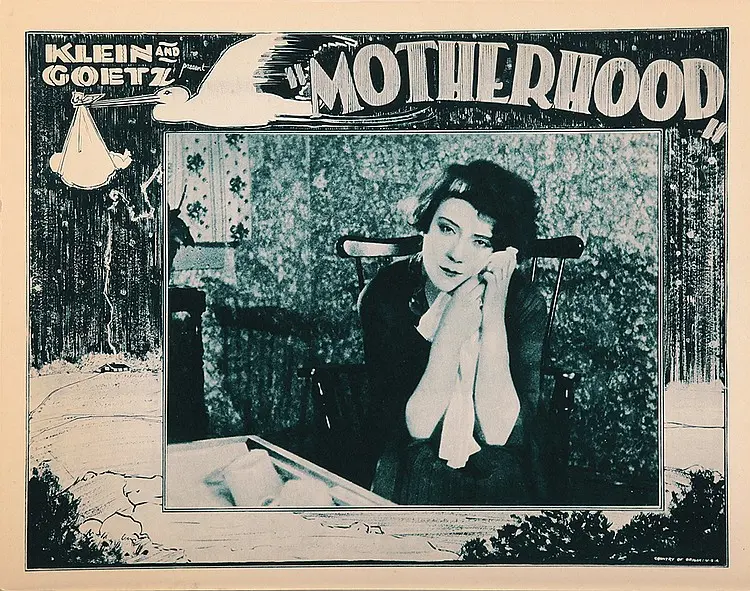
The general, a character etched with a stern, almost monolithic gravitas, embodies the unyielding spirit of a nation under siege, yet his unwavering commitment to conventional military doctrine becomes his greatest tragic flaw. His inability to perceive heroism outside the confines of official sanction renders him a figure of immense pathos. The weight of his rank, the decades of service, and the expectation of unblemished honor, coalesce into a formidable barrier, preventing him from seeing the truth of his son’s actions. One might draw parallels to the societal pressures depicted in a film like The Sin of a Woman, where public perception and rigid moral codes often overshadow individual realities and intentions. The general is not merely a soldier but a symbol – of a certain generation’s understanding of duty, of the profound difficulty in reconciling personal affection with perceived national betrayal. His internal struggle, though largely unspoken in a silent film, is eloquently conveyed through his posture, his expressions, and the palpable tension that permeates his every interaction. He is a man trapped between the love for his son and the unforgiving dictates of his professional conscience, a conflict that slowly corrodes his soul.
Camille Dumény, in his portrayal of the son, delivers a performance that is both understated and profoundly affecting. He imbues the character with a quiet dignity, a steadfast resolve that withstands the dual pressures of enemy occupation and paternal condemnation. Dumény’s nuanced expressions convey the burden of being misunderstood, the silent anguish of knowing one’s actions are righteous yet viewed as treacherous by the very person whose approval matters most. His heroism is not the bombastic, flag-waving variety, but a more profound, personal commitment to resistance, executed with a methodical determination that speaks volumes. This portrayal elevates the character beyond a mere plot device, transforming him into a resonant symbol of individual defiance in the face of overwhelming odds and personal sacrifice. It is a performance that highlights the inherent loneliness of true, unconventional heroism, a theme that echoes in other portrayals of solitary figures fighting for a greater cause, such as those found in Colorado, where individual grit defines survival against a harsh backdrop.
The film’s thematic richness extends far beyond the immediate conflict, delving into profound questions of identity, loyalty, and the very definition of patriotism. Is patriotism an unwavering adherence to established authority, or a deeper, more intuitive commitment to the spirit and people of one’s land, even if it means operating outside conventional frameworks? L'empreinte de la patrie posits that true allegiance can manifest in myriad forms, some of which may initially appear subversive or even traitorous to those blinded by rigid dogma. The son’s actions, though misunderstood, are ultimately revealed as the purest expression of his love for France, a love so potent it compels him to endure immense personal suffering and the crushing weight of his father’s disapproval. This exploration of misunderstood duty finds a thematic cousin in The Keys to Happiness, where characters often grapple with personal desires versus a perceived greater good, and the sometimes-unrecognized sacrifices made for collective well-being. The film masterfully illustrates the tragedy of a father and son bound by blood but separated by vastly different interpretations of honor, a chasm that war, with its brutal demands and moral ambiguities, only serves to deepen.
Set against the backdrop of the First World War, the film implicitly, yet powerfully, reflects the anxieties and patriotic fervor of its time. The Great War profoundly reshaped European societies, challenging traditional notions of warfare, heroism, and national identity. French cinema of this era often served as a mirror, reflecting the collective trauma and resilience of the nation. L'empreinte de la patrie, in its detailed portrayal of a family fractured by wartime imperatives and personal convictions, provides a window into the psychological toll of conflict, extending beyond the trenches to the very heart of the home. The film’s silent storytelling, relying heavily on visual cues, intertitles, and the actors’ expressive performances, amplifies the emotional resonance, forcing the audience to engage more deeply with the characters’ inner worlds. This method of conveying deep emotion through subtle gestures and powerful imagery is a hallmark of silent era masterpieces, allowing for a universal understanding that transcends language barriers. The film becomes a testament to the enduring human spirit in the face of profound adversity, a narrative that feels both historically specific and universally applicable.
The directorial vision, even without a credited writer, is evident in the film's meticulous pacing and evocative visual composition. Each frame seems to carry the weight of the characters' internal struggles, from the starkness of military settings to the intimate spaces where familial drama unfolds. The use of light and shadow, characteristic of silent cinema, is employed to great effect, emphasizing emotional states and the stark contrasts between duty and perceived betrayal. The film possesses a measured rhythm, allowing the audience to absorb the gravity of each scene, building tension through sustained gazes and carefully choreographed interactions. This deliberate pacing ensures that the emotional impact is not rushed but allowed to simmer, culminating in a powerful, cathartic experience. While specific stylistic flourishes of a named director might be absent, the overall aesthetic coherence speaks to a clear artistic intent, ensuring the narrative’s emotional beats land with precision. It is a work that, despite its age, demonstrates a sophisticated understanding of cinematic storytelling, using the medium's inherent strengths to convey complex human drama. The visual language, though perhaps less flamboyant than some contemporaries, serves the story with unwavering dedication, allowing the powerful narrative to shine through with unadorned honesty.
Comparing L'empreinte de la patrie to other films of its era, or even later works, illuminates its unique strengths. The theme of hidden heroism and misunderstood intentions resonates strongly with the quiet sacrifices often depicted in war films, but here it is distilled into an intensely personal father-son conflict, making it particularly potent. One might consider The Spirit of the Poppy, another film that might explore symbolic acts of defiance or unseen bravery, though perhaps with a more ethereal touch. The tension between individual conscience and societal expectation, a recurring motif in cinema, is handled with particular finesse here. Unlike the more overt melodramas of the period, this film maintains a sense of gravitas and psychological depth, resisting easy resolutions. The profound impact of a father's judgment on his son, and the son's unwavering commitment despite it, is a narrative thread that could be seen, in a different cultural context, in the complexities of familial honor and duty explored in films like The Spanish Jade, where reputation and family lineage dictate profound personal choices. The film's ability to evoke such strong emotional responses using the limited tools of silent cinema is a testament to its compelling narrative and powerful performances, solidifying its place as a significant contribution to early cinematic art. The enduring power of its central conflict, the tragic misunderstanding between a father and son, continues to resonate, reminding us that the greatest battles are often fought within the confines of the human heart, far from any battlefield.
Ultimately, L'empreinte de la patrie remains a powerful and poignant cinematic experience, a testament to the enduring human capacity for both profound misunderstanding and unwavering devotion. It is a film that challenges viewers to look beyond superficial appearances and conventional definitions of heroism, urging a deeper appreciation for the complex motivations that drive individuals during times of crisis. The film’s legacy lies not just in its historical significance as a product of post-WWI French cinema, but in its timeless exploration of universal themes: the burden of duty, the agony of misjudgment, and the enduring, often silent, imprint of patriotism on the human soul. It is a work that deserves rediscovery, a quiet masterpiece whose emotional resonance continues to echo, long after the final frame has faded. Its narrative force, fueled by the compelling performances and the stark reality of its setting, ensures its continued relevance for anyone seeking to understand the intricate tapestry of human experience woven during times of immense national struggle. The film leaves an indelible mark, much like the very 'footprint of the homeland' it so eloquently portrays, on the cinematic consciousness.

IMDb 5.9
1927
Community
Log in to comment.