The conflict between moonshiners and revenuers..

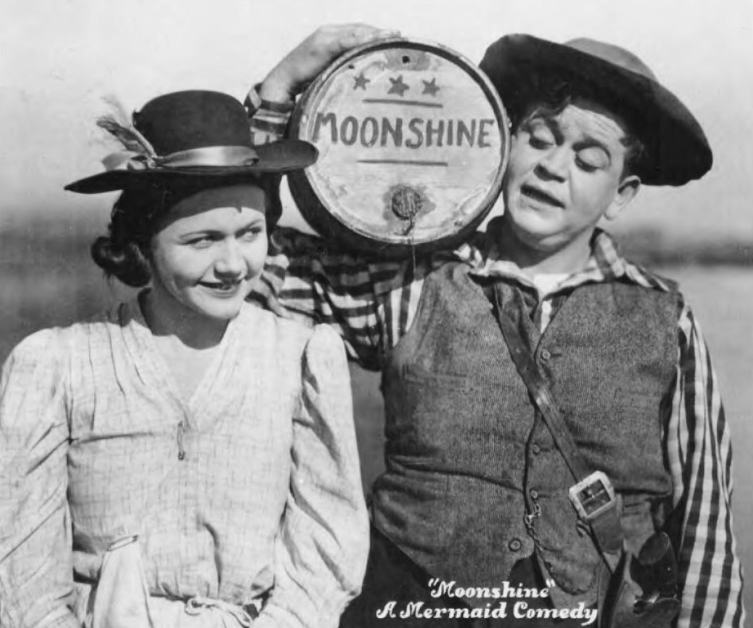
Moonshine arrives like a mason jar hurled through the stained-glass window of American myth—its jagged edges catching stray moonlight, its contents swirling with both rotgut absurdity and copper-stilled sorrow. Released in the wake of the Volstead Act yet predating the fully industrialized sound era, this 1920 one-re...
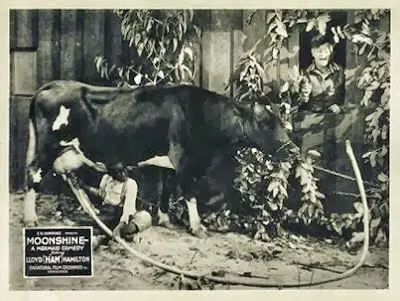
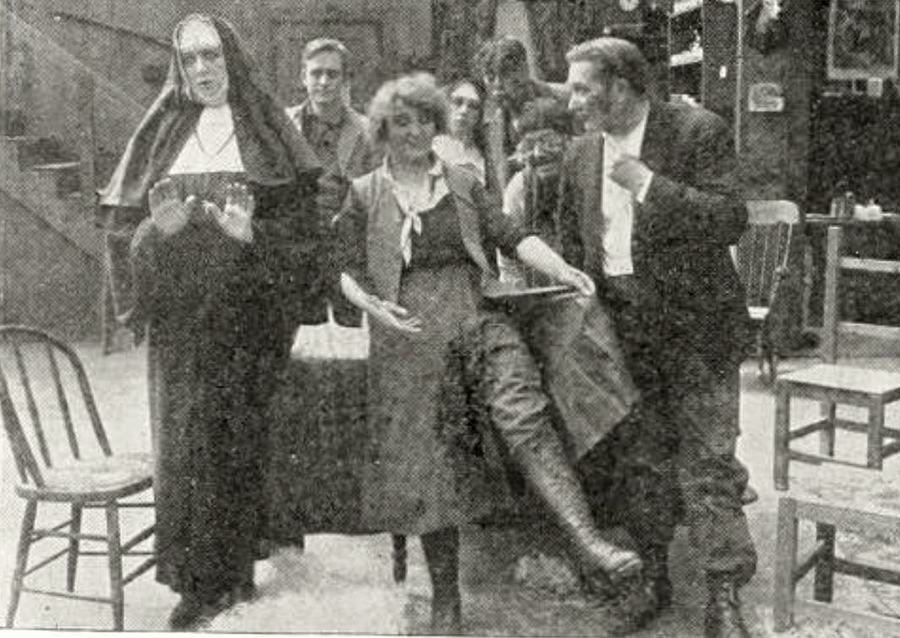
publicity
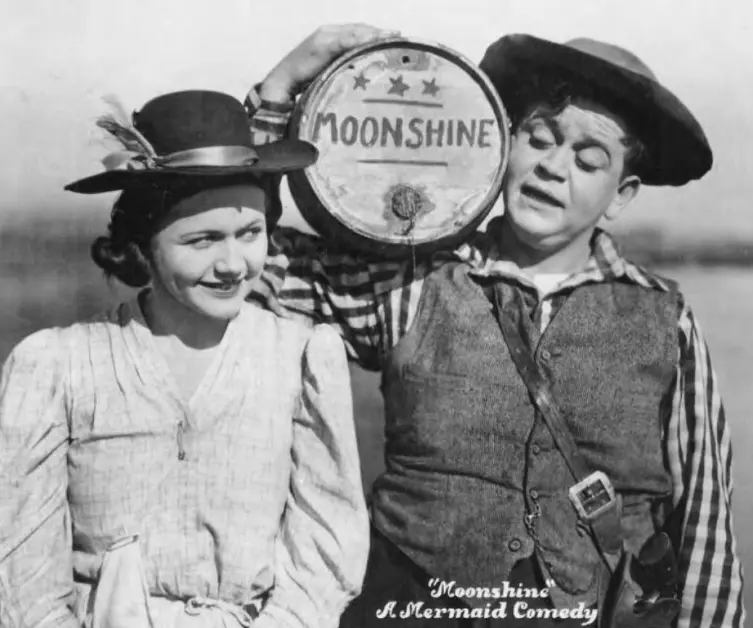
still_frame

Comparing the cinematic DNA and archive impact of two defining moments in cult history.
Charley Chase

Unknown Director
Community
Log in to comment.
" Moonshine arrives like a mason jar hurled through the stained-glass window of American myth—its jagged edges catching stray moonlight, its contents swirling with both rotgut absurdity and copper-stilled sorrow. Released in the wake of the Volstead Act yet predating the fully industrialized sound era, this 1920 one-reeler distills national anxiety into a high-proof hallucination that sloshes across the screen. The Alchemy of Setting The film’s geography is less a real cove than a fever-dream c..."

Charley Chase
United States