DbcultAccessing Vault...
Cult Review
Senior Film Conservator
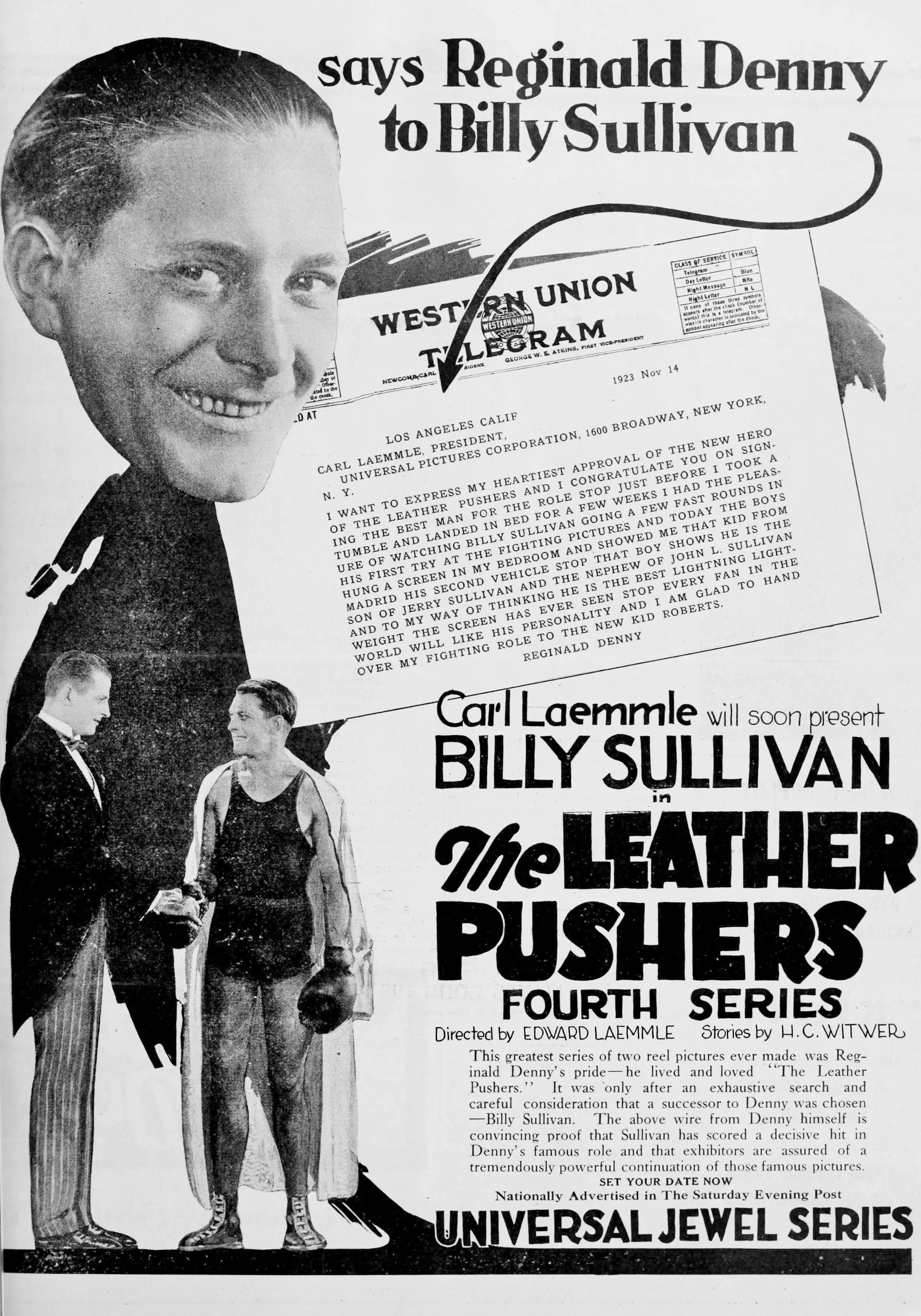
In the feverish cinematic landscape of 1923, the boundaries between the western and the slapstick comedy were often porous, allowing for experimental hybrids that challenged the rigid archetypes of the era. A Tough Tenderfoot emerges from this crucible not merely as a relic of early Hollywood, but as a fascinating study in proactive female agency and the subversion of the 'city slicker' narrative. Directed by Scott Darling, the film utilizes the raw, unpolished energy of the ranch setting to frame a story that is as much about legal subterfuge as it is about physical prowess. Unlike the sentimental domesticity found in The Old Nest, Darling’s work here is propulsive, driven by a rhythmic editing style that anticipates the sophisticated pacing of the late silent era.
Fay Tincher, an actress often remembered for her 'rubber-faced' comedic timing, delivers a performance here that balances caricature with a genuine sense of urgency. Her portrayal of Margaret O'Grady avoids the languid helplessness often associated with the period’s leading ladies, such as those in The Queen of Sheba. Instead, Tincher imbues Margaret with a tactile intelligence. When she stands on the tracks of the Overland Limited, lasso in hand, she isn't just a character in a skit; she is a catalyst for the entire plot’s resolution. This moment of literal 'hooking' a hero is a masterstroke of visual storytelling, bridging the gap between the rugged isolation of the ranch and the fast-paced world of professional sports represented by Kid Robertson.
The chemistry between Tincher and Billy Sullivan, who plays the Kid, is predicated on a mutual recognition of their respective 'outsider' statuses. Sullivan, known for his athletic roles, brings a disciplined physicality to the screen that contrasts sharply with the lumbering, undisciplined threat posed by Edgar Kennedy’s Hank Simmons. While Kennedy would later become the master of the 'slow burn' in sound-era comedies, here he is a formidable antagonist, providing a grounded sense of menace that makes the stakes of the pugilistic contract feel visceral rather than merely incidental.
The screenplay, co-written by the prolific H.C. Witwer, carries the distinct flavor of his 'Leatherpushers' series. Witwer had a unique ability to translate the grit of the boxing ring into a vernacular that felt both authentic and hyperbolically entertaining. This influence is evident in the way the central fight is choreographed. It isn't the chaotic brawl one might expect from a standard western of the time; it is a clash of styles. The Kid’s technical boxing—jabs, footwork, and defensive posture—is pitted against Simmons’ haymakers and brute force. This stylistic conflict serves as a metaphor for the changing face of America in the early 20th century: the arrival of modern, specialized skill sets in the untamed territories of the past.
In many ways, the film shares a thematic DNA with The Sea Wolf, where the environment itself demands a specific kind of toughness. However, A Tough Tenderfoot replaces Jack London’s grim determinism with a lighthearted optimism. The 'tenderfoot' here is not a victim to be hardened by the wilderness, but a savior who brings his own form of hardness to a world that thinks it has seen everything. This inversion of tropes makes the film a compelling companion piece to Mr. Opp, which also deals with the arrival of an eccentric figure into a closed-off community, albeit with far more whimsical results.
Cinematographically, the film excels in its use of depth and motion. The sequence involving the Overland Limited train is a highlight, capturing the sheer scale of the locomotive as it cuts through the landscape. This train serves as a mechanical deus ex machina, a literal conduit for change. The framing of the lassoing scene requires a precision that speaks to Scott Darling’s burgeoning directorial confidence. By placing the camera at a low angle, the filmmakers emphasize the power of the machine and the audacity of Margaret’s intervention. It is a far cry from the static, stage-bound feel of earlier productions like Barnaby Rudge.
The ranch itself is depicted with a dusty realism that eschews the romanticized vistas of later John Ford westerns. It feels like a place of labor and legal obligation. The contrast between this environment and the Kid’s aspirations for a championship bout on the coast creates a narrative tension that sustains the film’s middle act. We see the Kid grappling with his detour—not out of a sense of chivalry initially, but out of a pragmatic understanding of the girl’s plight. This pragmatism is a refreshing departure from the melodramatic heroism found in The Dawn of Freedom.
As the film builds toward its climax, the pugilistic encounter becomes more than a mere plot device; it becomes an expression of Margaret's self-determination. The legal clause in her father's will is a relic of a vanishing social order, one that treated women as property to be transferred between men of strength. By finding her own 'champion,' Margaret plays the patriarchal system at its own game. The victory of Kid Robertson over Hank Simmons is a victory for the individual over the institution of the 'arranged' life. It mirrors the themes of escaping financial or social entrapment seen in Dodging a Million or the high-stakes rewards of 5,000 Reward.
The film’s conclusion, while expectedly tidy, leaves the viewer with a sense of satisfaction that is earned through the characters' ingenuity. The 'tough tenderfoot' is no longer an oxymoron by the time the credits roll. Robertson has proven his mettle in a world he didn't belong to, and Margaret has secured a future that belongs entirely to her. This sense of liberation is a common thread in the more progressive comedies of the early twenties, standing in stark contrast to the more traditionalist or cautionary tales like The Stimulating Mrs. Barton.
In the broader context of silent cinema, A Tough Tenderfoot occupies a unique niche. It lacks the surrealist grandeur of European imports like De røvede Kanontegninger, yet it possesses a quintessentially American vitality. It is a film about movement—trains moving across the country, fists moving in a ring, and a woman moving out from under the shadow of her father’s legacy. The performances of Tincher and Kennedy provide a bedrock of comedic reliability, while the direction of Scott Darling ensures that the film never bogs down in its own premise. Even when compared to other 1923 releases like Under Suspicion, this film stands out for its clarity of purpose and its refusal to be anything other than a high-energy entertainment.
Ultimately, the film serves as a reminder of the sheer variety of stories being told in the silent era. From the nautical mishaps of The Skipper's Narrow Escape to the gritty urbanity of Centocelle, the cinema of the early 1920s was a vast tapestry of human experience. A Tough Tenderfoot contributes a vibrant, punchy thread to that tapestry, proving that sometimes, the best way to solve a problem is to lasso a professional and let the fists fly. It is a work of unpretentious brilliance, a comedic knockout that deserves a prominent place in the annals of early Hollywood comedy. Whether viewed as a showcase for Fay Tincher or as a precursor to the great boxing films of the 1930s, its impact is undeniable and its charm, nearly a century later, remains entirely intact.
As we look back at the historical trajectory from When Broadway Was a Trail to the sophisticated comedies of the mid-twenties like This Way Out, Darling’s film represents a crucial stepping stone. It refined the rough edges of the slapstick western and introduced a level of character-driven motivation that would become the standard for the genre. It is a tough film, a tender film, and above all, a triumph of the silent screen.
IMDb 6.8
1932
Community
Log in to comment.