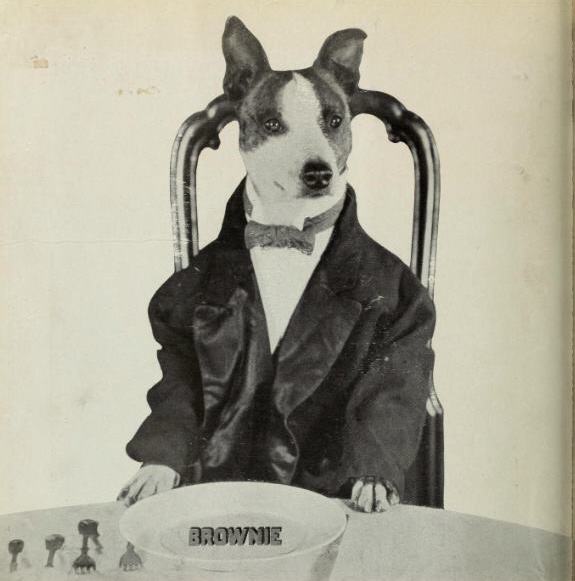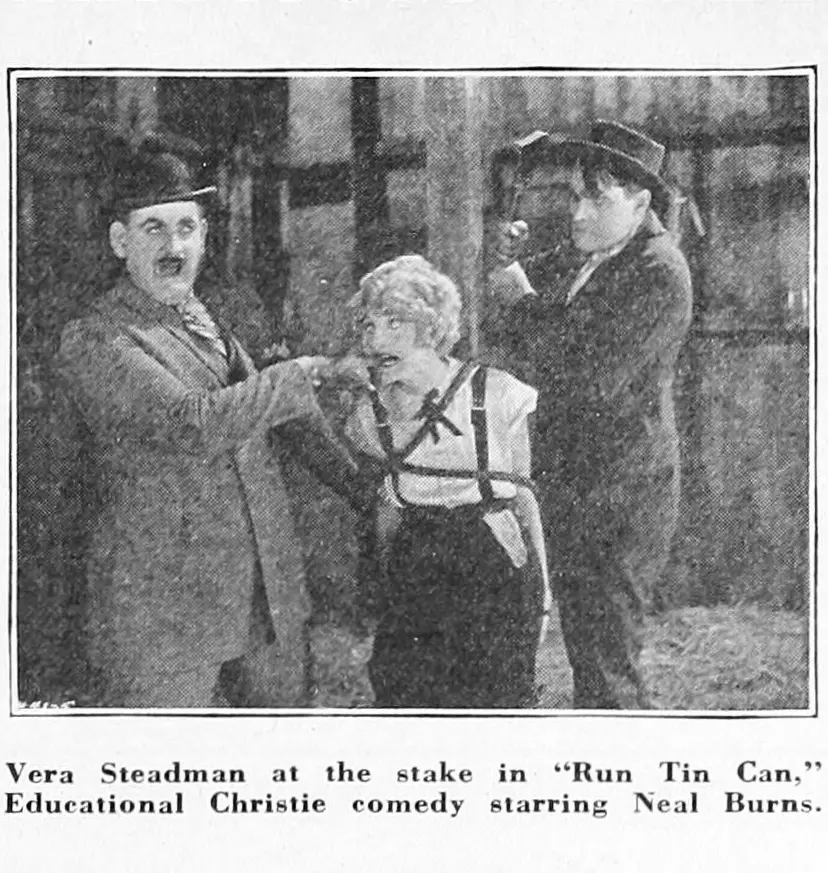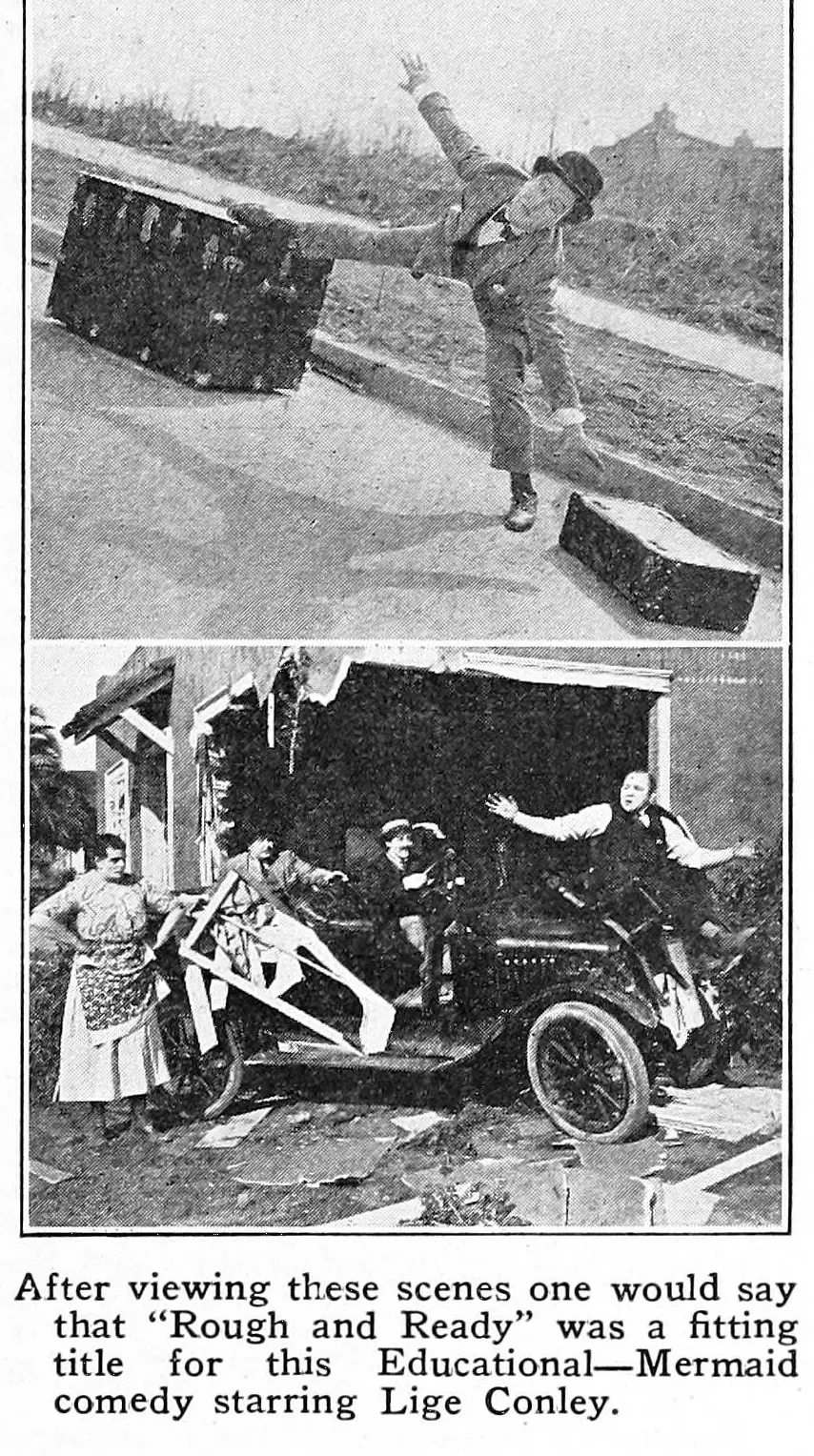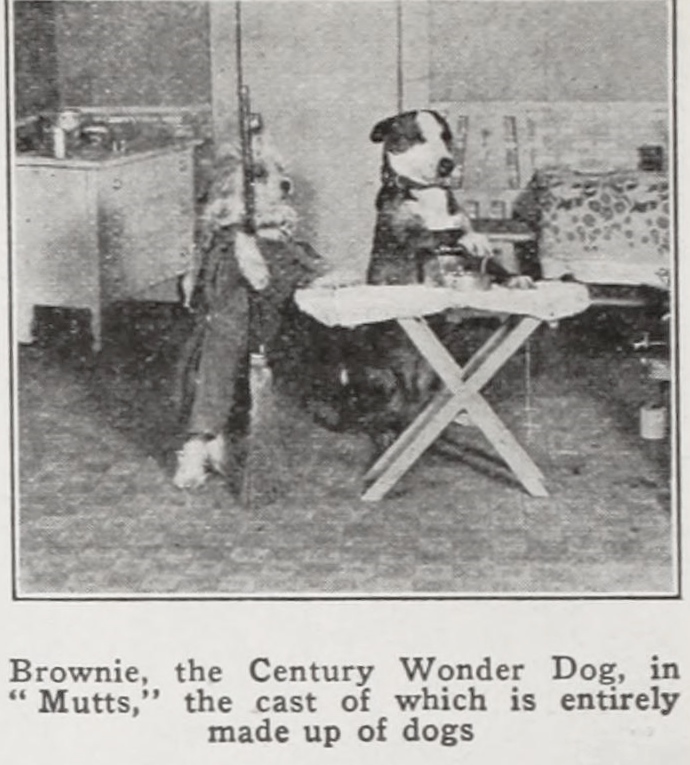
The Canine Kineticism of 1923 To approach Fred Hibbard’s Mutts (1923) is to step into a time capsule of pure, unadulterated slapstick geometry. While the early 1920s were often dominated by the grandiose historical epics like Defense of Sevastopol or the dense moral tapestries of The Golden Rosary, ...
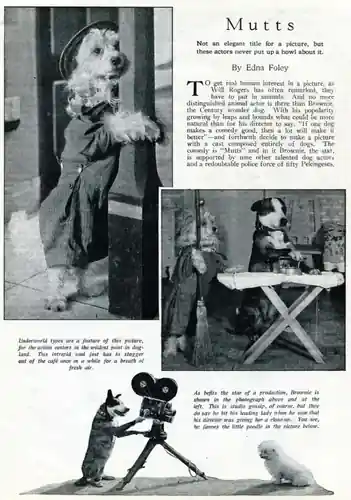
publicity

Comparing the cinematic DNA and archive impact of two defining moments in cult history.
Fred Hibbard
Fred Hibbard
Community
Log in to comment.
" The Canine Kineticism of 1923 To approach Fred Hibbard’s Mutts (1923) is to step into a time capsule of pure, unadulterated slapstick geometry. While the early 1920s were often dominated by the grandiose historical epics like Defense of Sevastopol or the dense moral tapestries of The Golden Rosary, there existed a parallel universe of short-form comedy that prioritized the visceral over the cerebral. Mutts, starring the legendary Brownie the Dog, is a prime specimen of this t..."