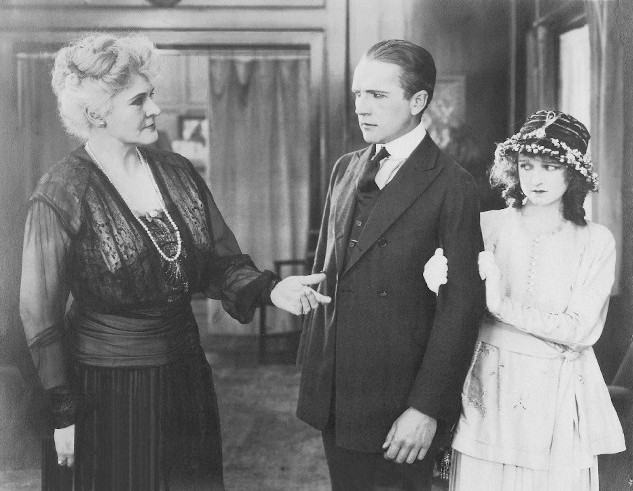
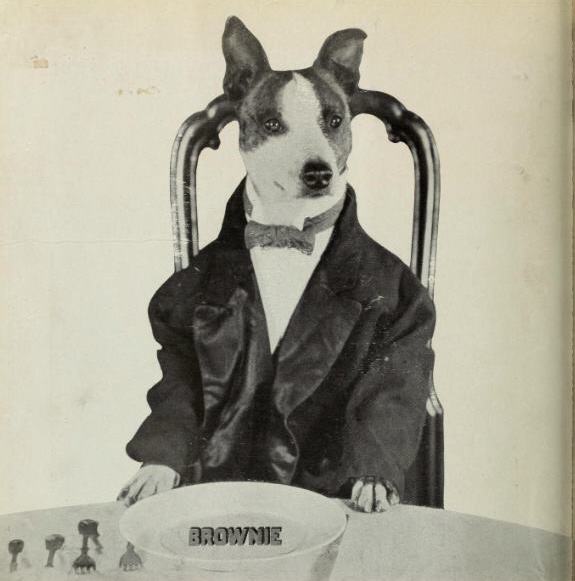
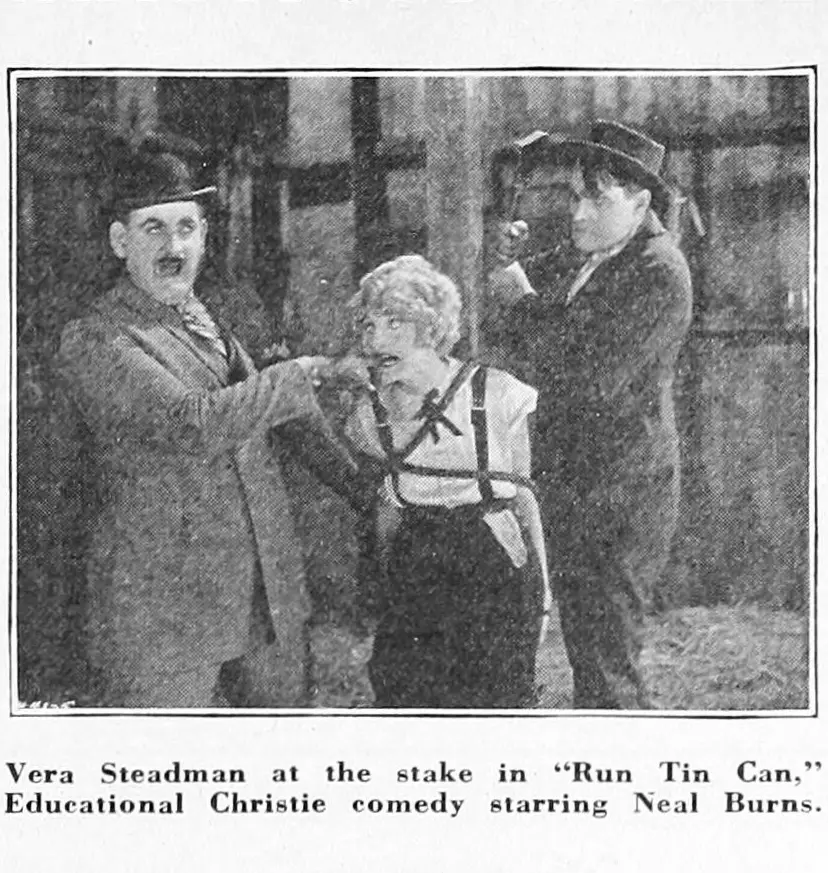
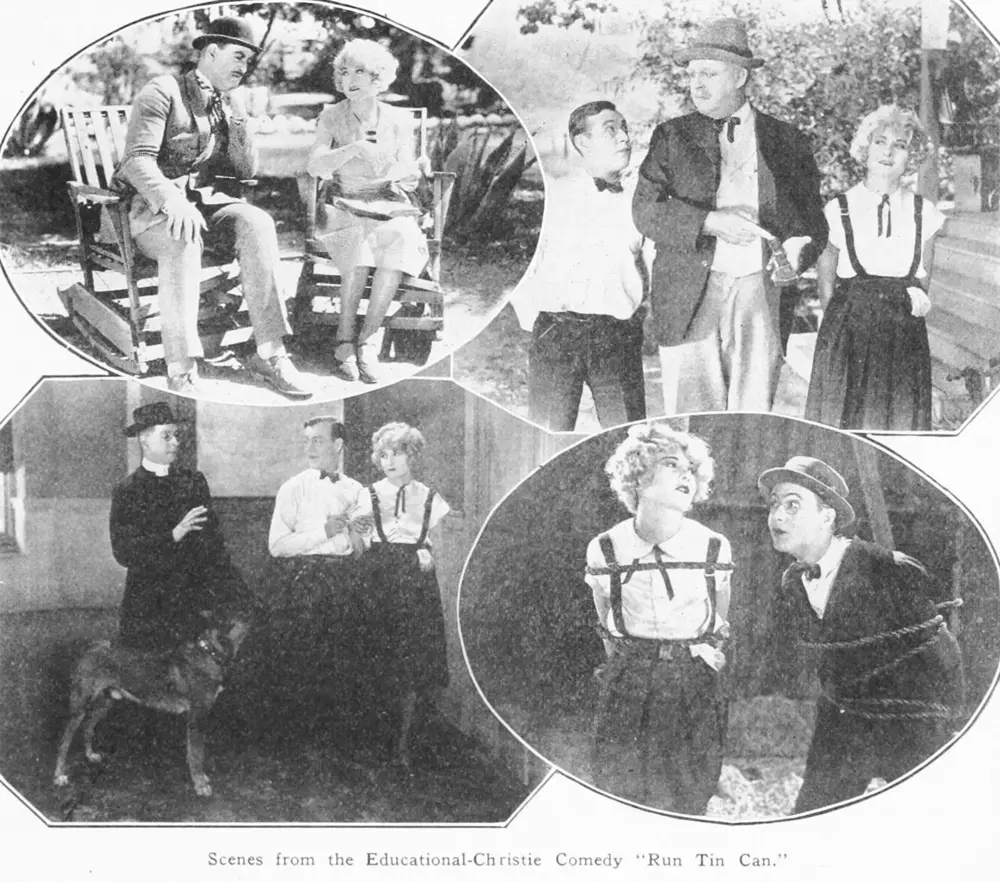
Neal and the villain Eddie are the rivals for the hand of Mary whose home is out among the oil wells. Neal's pal is "Run Tin Can," a police dog.

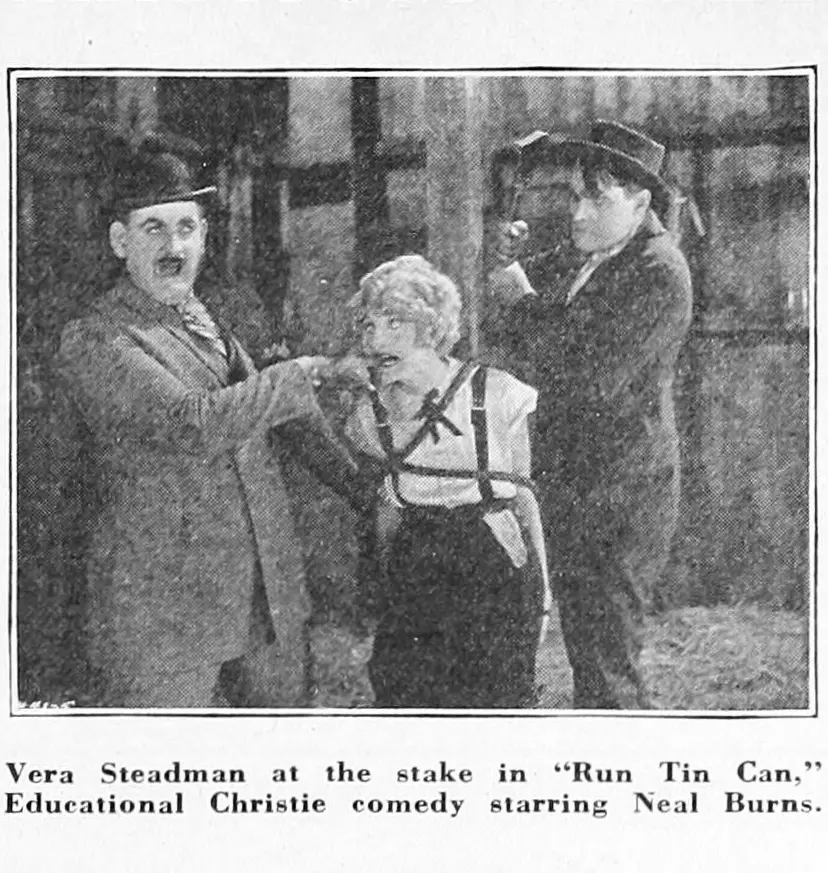
Short answer: Yes, but only if you appreciate the raw, unpolished energy of silent-era genre-bending. This film is for enthusiasts of early American industrial history and fans of animal-led adventure; it is not for those who demand complex character arcs or modern pacing.Does Run Tin Can hold up as a piece of cinema i...
still_frame
still_frame

still_frame

Comparing the cinematic DNA and archive impact of two defining moments in cult history.
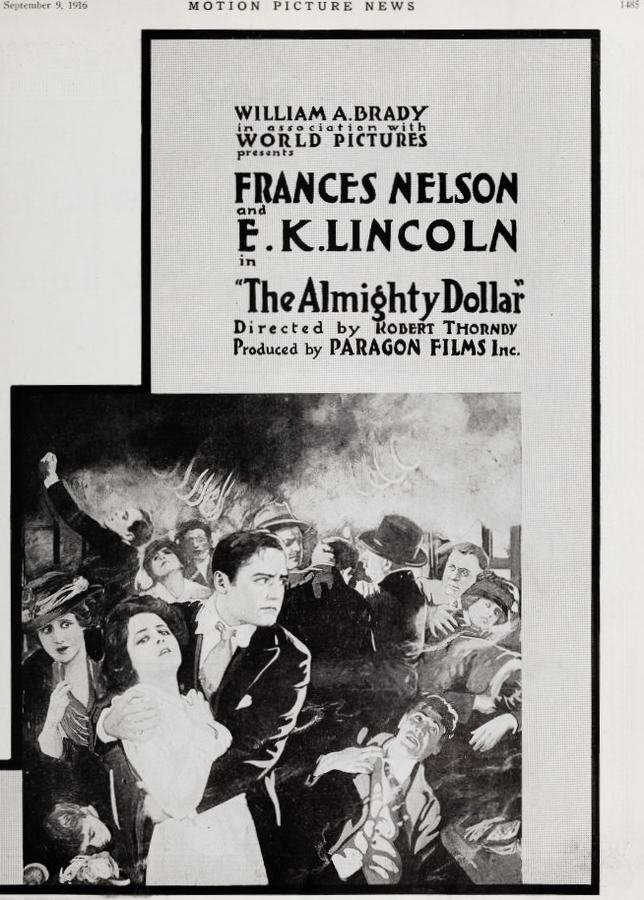
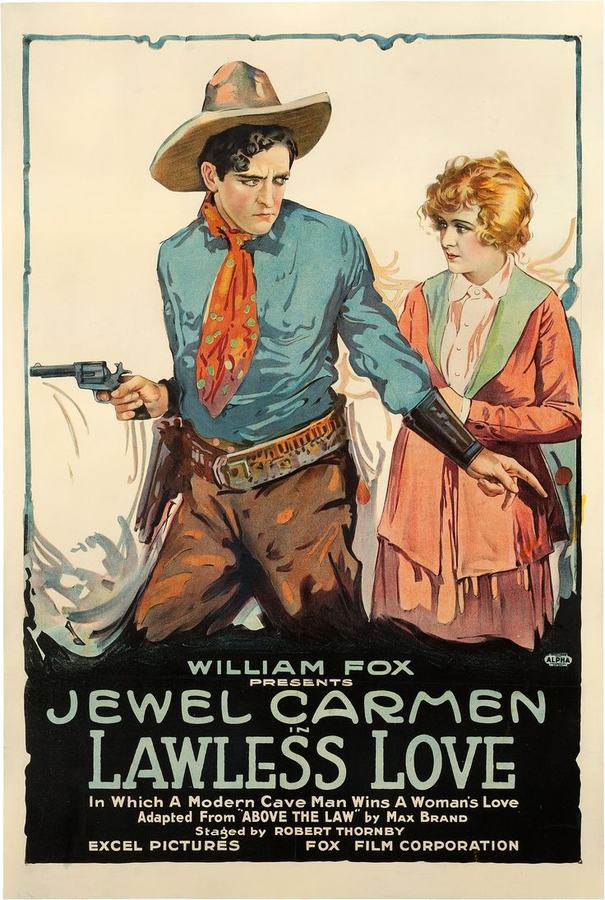
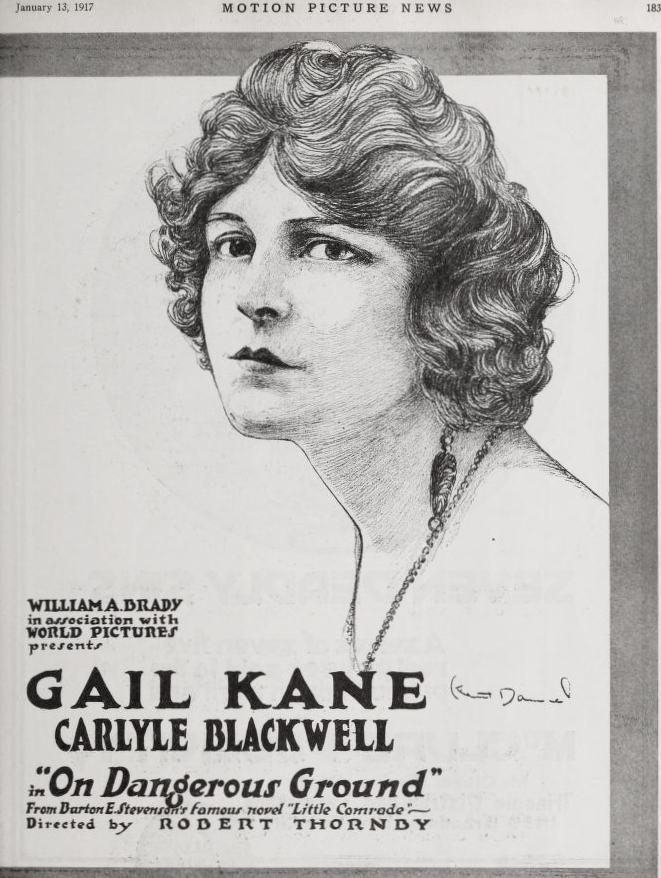
Robert Thornby
Robert Thornby
Community
Log in to comment.
"Short answer: Yes, but only if you appreciate the raw, unpolished energy of silent-era genre-bending. This film is for enthusiasts of early American industrial history and fans of animal-led adventure; it is not for those who demand complex character arcs or modern pacing.Does Run Tin Can hold up as a piece of cinema in the modern age? It does, primarily because it avoids the saccharine sentimentality that would later plague the 'hero dog' subgenre in the 1940s and 50s. This is a gritty, dirt-un..."
Sig Herzig
United States