Summary
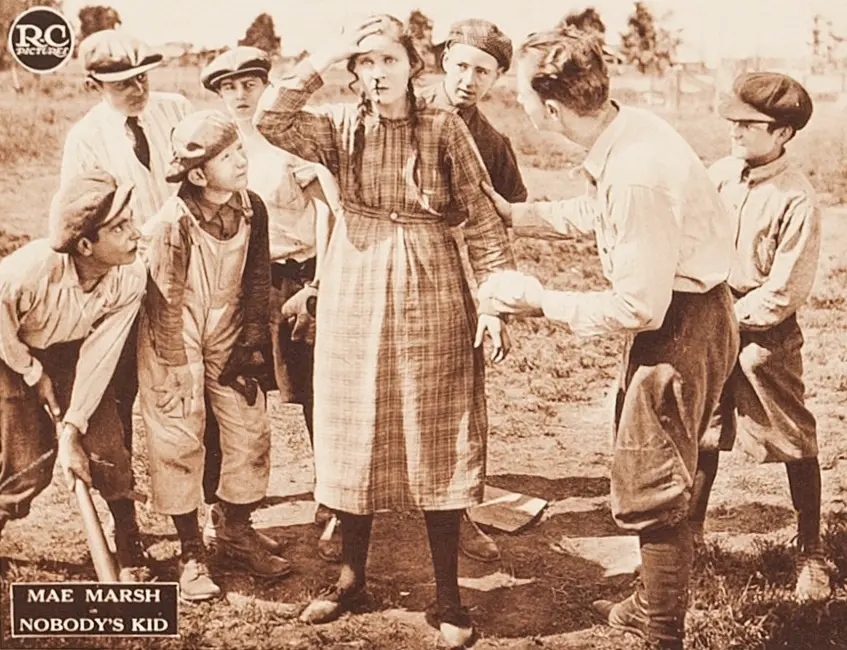
A velvet-gloved punch to the solar plexus of Edwardian piety, Nobody’s Kid charts the metamorphosis of Mary Cary from discarded waif to self-possessed heiress, her bloodstream still humming with the orphanage’s lash-marks while her gaze fixes on a horizon wider than any judge’s gavel. The narrative begins in the gaslit aftermath of a carriage wreck that erases her parents—an off-screen detonation that flings the child into a bureaucratic abyss where charity curdles into cruelty. The orphanage, a mausoleum of starched linen and whispered penance, becomes a theater of ritualized humiliation: porridge splattered across a plank table, fingers raw from scrubbing stone corridors that echo like catacombs, and the matron’s cane whistling through chapel air thick with sanctimony. Cinematographer Alfred Gilks drapes these interiors in pewter grays, letting each shadow stretch like accusatory fingers across Mary’s cheekbones, while exterior escapades—stolen baseball games in sun-splashed meadows—flare in over-exposed whites that scorch the retina, as though the film itself flinches from institutional gloom. When Mary learns her surname is etched on courthouse marble and that her veins carry the chill of titled estates across the Atlantic, the revelation arrives not as fairy-tale rescue but as ideological whiplash: class privilege, once the distant clang of a gate she would never enter, suddenly yanks her through it, leaving her barefoot on Persian rugs she has no language to describe. The final act refuses cathartic amnesia; instead, it threads the orphanage’s scar-tissue through silk sleeves, insisting that memory—like the loyal boy who waits on the lawn with a scuffed baseball—cannot be disinherited.
Synopsis
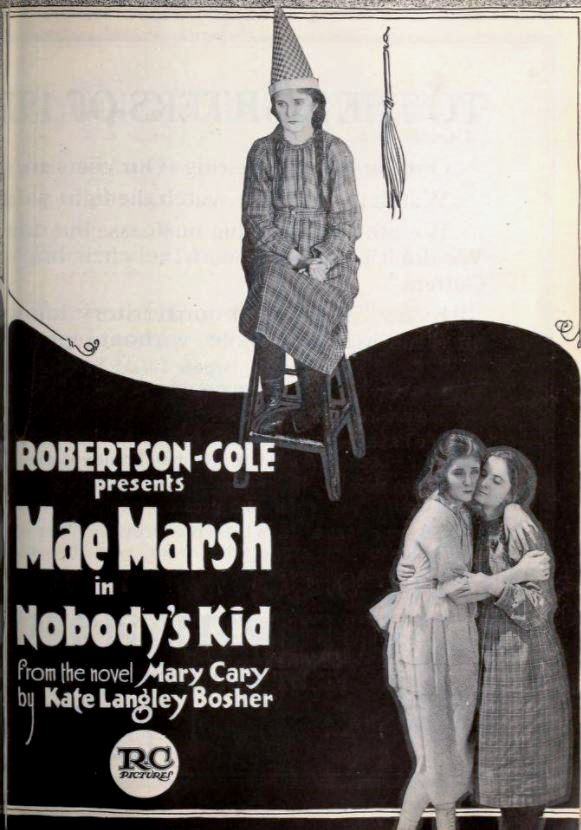
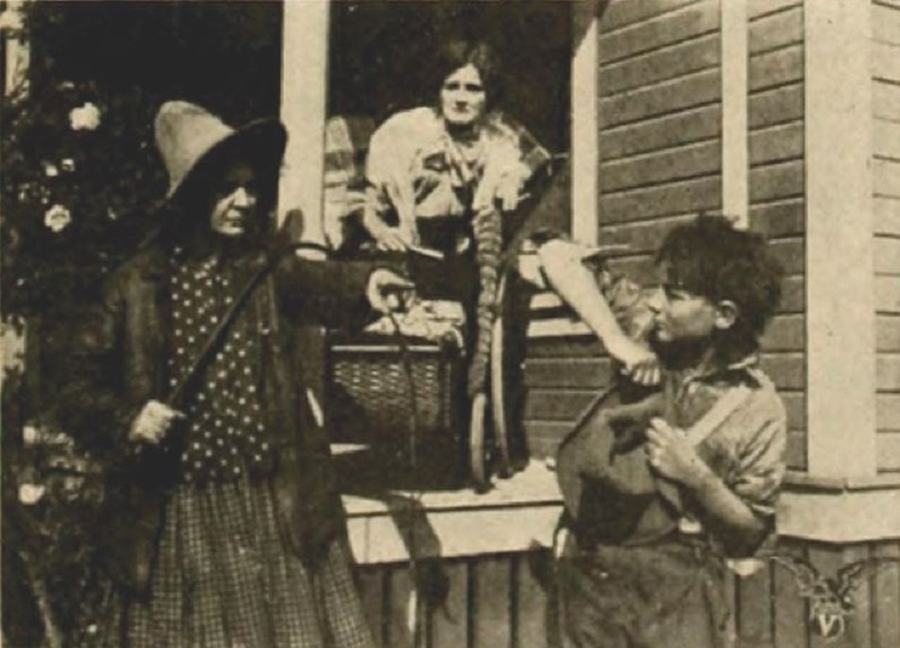
Following her parents' deaths, Mary Cary is placed in an orphanage, as her grandfather rejects her because of the circumstances of her parents' marriage. At the orphanage Mary is mistreated and humiliated, and when a matron catches her outside the grounds playing ball with a youthful admirer, she gets flogged. Later she learns that her grandfather is a well-known judge and that her father was a British aristocrat. A letter to her uncle brings prompt aid, and after she's rescued from the orphanage, she remains faithful to a young admirer.
Review Excerpt
"
The first time we see Mary Cary’s spine jerk beneath the cane, the camera does not flinch; it leans in, almost predatory, as if the lens itself were hungry for the welt that blooms beneath her calico. In that instant, Nobody’s Kid declares its true genre: not melodrama, but indictment. Howard Hickman, directing with the controlled fury of a man who has watched charity boards smile through their teeth, lets the moment linger for thirteen silent seconds—an eternity in 1921 grammar—while the sound..."