DbcultAccessing Vault...
Cult Review
Senior Film Conservator
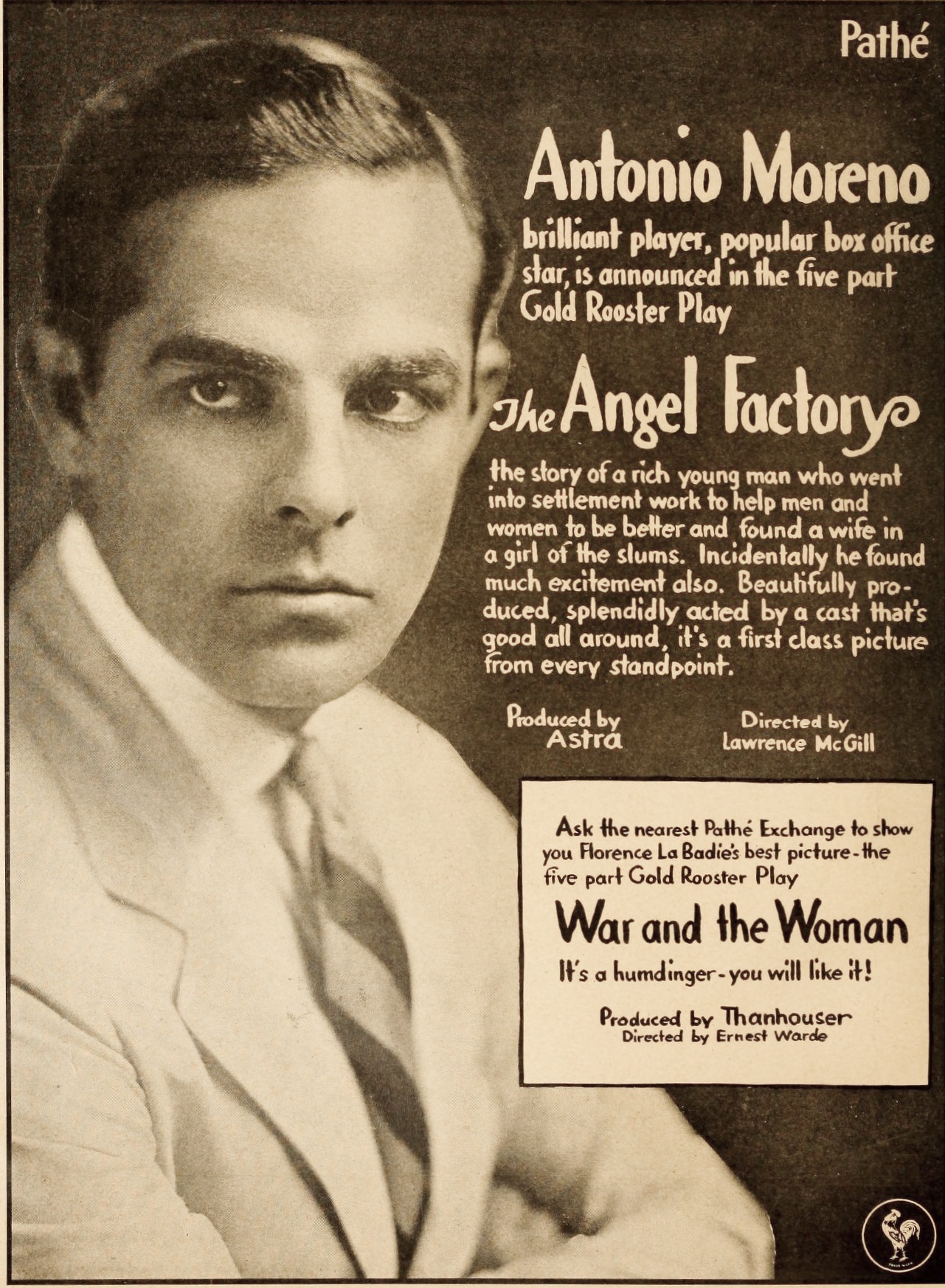
Stepping back into the cinematic past, particularly to the nascent years of the 20th century, often feels like sifting through fragments of a forgotten dream. Yet, every so often, a film emerges from the archives, its narrative threads still vibrant, its emotional core surprisingly potent. Such is the case with The Angel Factory, a 1917 silent drama that, despite its age, speaks volumes about the human condition, social injustice, and the enduring power of redemption. This isn't just a historical artifact; it's a testament to the storytelling prowess of its era, painting a vivid, if sometimes melodramatic, portrait of urban life and the perennial struggle between altruism and avarice. Its narrative, penned by Lucien Hubbard and Will M. Ritchey, navigates a landscape rife with class disparities, moral quandaries, and the ever-present shadow of crime, all while anchoring itself in a deeply human love story. It’s a compelling journey that reminds us how much, and how little, has truly changed in the intervening century.
At the narrative's heart stands David Darrow, portrayed with earnest conviction by Frank Conlan. Darrow is not merely a character; he is an embodiment of progressive ideals, a man who dedicates his life to alleviating the suffering endemic to New York's sprawling, impoverished slums. His settlement house, aptly christened "The Angel Factory," serves as a symbolic beacon of hope, a sanctuary where the marginalized can find respite, education, and a semblance of dignity. This institution is more than just a plot device; it's a commentary on the social reform movements gaining traction in the early 20th century, echoing the real-life efforts of figures like Jane Addams. Darrow's commitment to these downtrodden souls forms the bedrock of his character, distinguishing him from the more cynical or self-serving figures that often populate such urban dramas. His work is a relentless uphill battle against systemic poverty and the harsh realities of tenement life, a struggle depicted with a certain stark realism that, for its time, was quite impactful. The film subtly critiques the societal structures that create such destitution, even as it champions individual efforts to combat it. Darrow's idealism, however, is soon tested, not just by the grinding poverty he fights, but by the complex emotional landscape that unfolds around him.
Into Darrow's world steps Florence, brought to life with an ethereal innocence by Margaret Greene. She is the archetypal ingénue of the slums, a character often found in the melodramas of the era, yet Greene imbues her with a quiet resilience that transcends mere victimhood. Florence represents the very souls Darrow strives to uplift – pure, vulnerable, yet possessing an inner strength that poverty cannot extinguish. Her sweetness and guileless nature immediately captivate Darrow, stirring emotions that transcend his professional altruism. This burgeoning connection, however, is not without its complications, most notably in the form of Betty, Darrow's fiancée. Helene Chadwick portrays Betty as the quintessential snobbish socialite, a character designed to embody the superficiality and class prejudice that Florence implicitly challenges. Betty's jealousy, a predictable but effective narrative catalyst, drives much of the film's early conflict, highlighting the stark contrast between the two women and the worlds they inhabit. The scene where Betty attempts to humiliate Florence at a high-society reception is particularly telling, a masterclass in silent film acting where subtle gestures and expressions convey a wealth of meaning. Florence's ability to comport herself with grace and win the respect of those present is a triumphant moment, not just for her character, but for the film's broader message about inherent worth over social standing. It’s a trope, certainly, but executed with a conviction that resonates, reminiscent of similar class-crossing narratives like The Prince and the Pauper, where inherent nobility triumphs over superficial status.
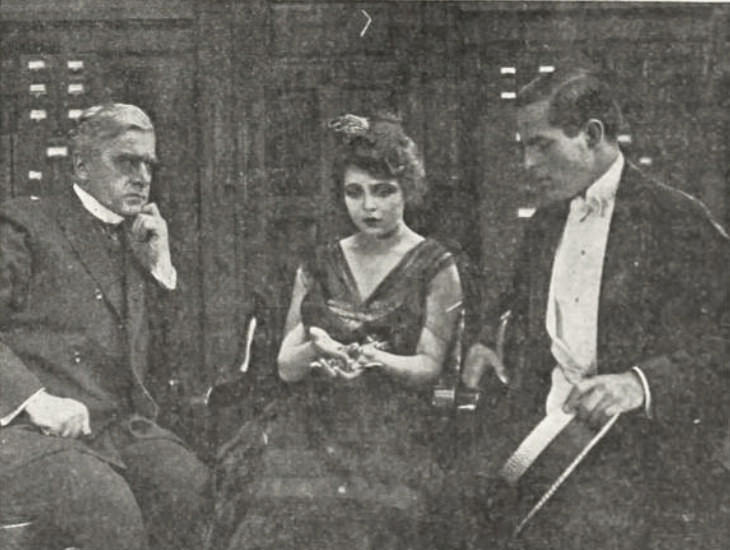
The film deftly shifts gears from social commentary and romantic tension to a gripping murder mystery, a common narrative device in early cinema to inject heightened drama and suspense. The introduction of Tony Podessa, menacingly played by Antonio Moreno, ratchets up the stakes considerably. Tony is Florence's jealous former suitor, a figure from her past who refuses to relinquish his claim, representing the darker, more possessive elements of human nature. His confrontation with Darrow is inevitable, a clash between two worlds and two very different men vying for the same woman’s affection, though Darrow’s interest is initially framed as benevolent protection. The pivotal moment – Tony's mysterious death by a single gunshot – is a classic silent film cliffhanger, leaving the audience to grapple with ambiguity and suspicion. The immediate arrest of Darrow, based on circumstantial evidence and the inherent bias against a man associated with the 'lower' classes by some, fuels the narrative's central conflict. This sudden turn of events plunges the protagonist into a legal quagmire, transforming the social drama into a compelling whodunit. The injustice of Darrow's arrest is palpable, drawing parallels to other films where characters are wrongly accused and must fight for their reputation, much like the themes explored in The Unwritten Law or even the episodic tension of Beatrice Fairfax Episode 13: The Ringer. It is a powerful illustration of how quickly circumstances can unravel, and how easily an individual can become ensnared by the arbitrary machinations of the law and public perception.
With Darrow unjustly imprisoned, Florence’s character undergoes a profound transformation. No longer merely the innocent girl in need of protection, she emerges as the story's true heroine, driven by an unwavering resolve to clear Darrow's name. This active pursuit of justice elevates her beyond a passive love interest, showcasing her courage and intelligence. Her recollection of Sailor Bill, Tony's long-standing nemesis, is a crucial plot point, demonstrating her keen observational skills and deep understanding of the intricate, often violent, social dynamics of the slums. The subsequent search for Bill and her discovery of him mortally wounded in a brutal brawl adds another layer of grim realism to the film. This sequence, with its stark portrayal of urban violence and its consequences, could almost be seen as a precursor to later noir elements, albeit filtered through a melodramatic lens. Bill's deathbed confession, a staple of many early cinematic narratives, provides the necessary deus ex machina for Darrow's exoneration. While perhaps a convenient plot resolution, it effectively ties up the narrative threads and allows for the emotional climax. This quest for truth, undertaken by a seemingly fragile character, resonates with the resilience seen in characters fighting against overwhelming odds, much like the protagonist in The Girl from the Marsh Croft, who also embodies strength in adversity. The unfolding drama is a testament to the power of memory and the pursuit of justice, even in the face of overwhelming despair.
The technical aspects of The Angel Factory, while naturally constrained by the limitations of 1917 filmmaking, are surprisingly effective. Director George Fitzmaurice, working from Hubbard and Ritchey's script, demonstrates a keen understanding of visual storytelling, a necessity in the silent era. The use of intertitles is judicious, providing crucial dialogue and exposition without overwhelming the visual narrative. Cinematography, though black and white, effectively captures the contrasting aesthetics of the opulent upper-class world and the grimy, bustling reality of the slums. The camera work, while static by modern standards, carefully frames the emotional beats, allowing the actors' expressions and body language to convey the story's complexities. The performances, particularly from Frank Conlan and Margaret Greene, are a masterclass in silent film acting. They communicate profound emotions – love, despair, determination, jealousy – through exaggerated yet earnest gestures and expressive facial contortions. Antonio Moreno, as the villainous Tony Podessa, exudes a palpable menace, while Helene Chadwick's Betty perfectly embodies the icy disdain of her class. These performances, often a challenge for contemporary viewers accustomed to spoken dialogue, are compelling precisely because they demand active engagement and interpretation. The film's pacing, characteristic of the era, balances moments of quiet reflection with bursts of intense action, keeping the audience invested. It’s a testament to the era’s craftsmanship that such a complex story could be conveyed with such clarity and emotional impact, showcasing a narrative sophistication that belies its early production date, much like the grand spectacles seen in films such as The Last Days of Pompeii (1913), albeit on a more intimate, character-driven scale.
The resolution of The Angel Factory is both emotionally satisfying and thematically resonant. Darrow, freed from the shadow of false accusation, makes a decisive break from his past, severing his engagement to Betty. This act is more than just a romantic declaration; it's a profound statement about his values and priorities. He chooses a partnership based on shared purpose and genuine affection over one dictated by social convention and superficial expectations. His proposal to Florence is not merely for marriage, but for a partnership in his life's work at "The Angel Factory." This blending of personal and professional commitment elevates their union beyond a simple love story, imbuing it with a deeper significance. Florence's acceptance signifies her full integration into Darrow's world, not as a recipient of charity, but as an equal, contributing force in the fight for social justice. It's a heartwarming conclusion that suggests not only personal happiness but also the continuation of a noble endeavor. The film thus ends on a note of optimistic idealism, asserting that love, when rooted in shared values and a commitment to humanity, can indeed triumph over adversity and societal divides. This optimistic outlook, despite the preceding melodrama and urban grit, provides a powerful closing statement, reflecting the era's belief in progress and the potential for individual agency to effect positive change. It’s a vision of a future built on compassion and collaboration, a message that, even today, retains its poignant relevance. This kind of resolution, where personal happiness aligns with social mission, is a powerful and enduring narrative archetype, offering hope amidst hardship, a sentiment often explored in the social realist dramas of the early 20th century, and a stark contrast to the often cynical endings of later cinematic eras.
IMDb 5.9
1935
Community
Log in to comment.