United States
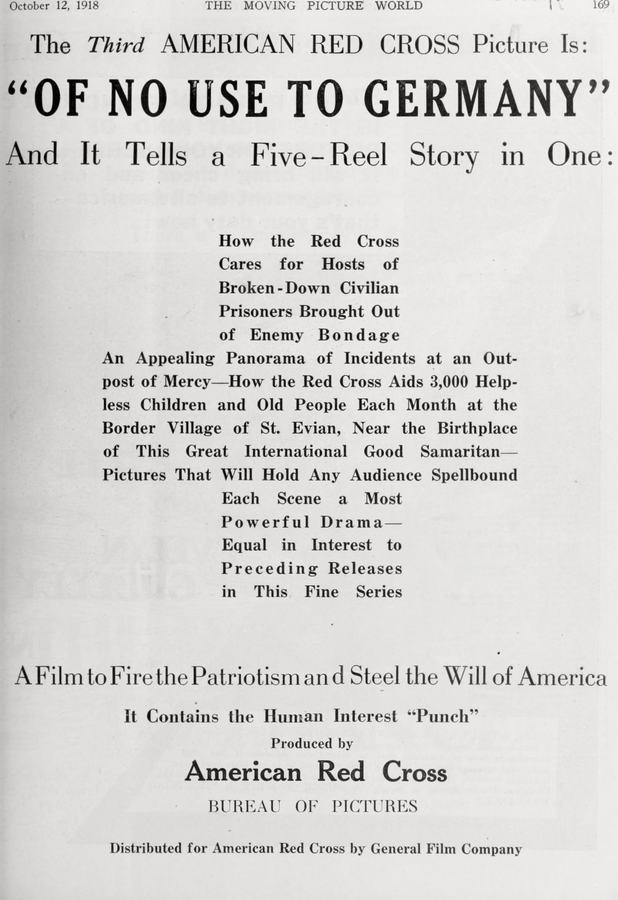
Of No Use to Germany: The Unseen Value of the Inconsequential There are films that merely narrate a story, and then there are those that dissect the very fabric of human existence, laying bare the profound tensions between individual spirit and societal imperative. Of No Use to Germany unequivocally belongs t...
Comparing the cinematic DNA and archive impact of two defining moments in cult history.
Unknown Director

Unknown Director
Community
Log in to comment.
" Of No Use to Germany: The Unseen Value of the Inconsequential There are films that merely narrate a story, and then there are those that dissect the very fabric of human existence, laying bare the profound tensions between individual spirit and societal imperative. Of No Use to Germany unequivocally belongs to the latter category, a cinematic achievement that resonates long after the credits roll. It’s a haunting meditation on the nature of utility, the unwavering power of art, and the..."