DbcultAccessing Vault...
Cult Review
Senior Film Conservator
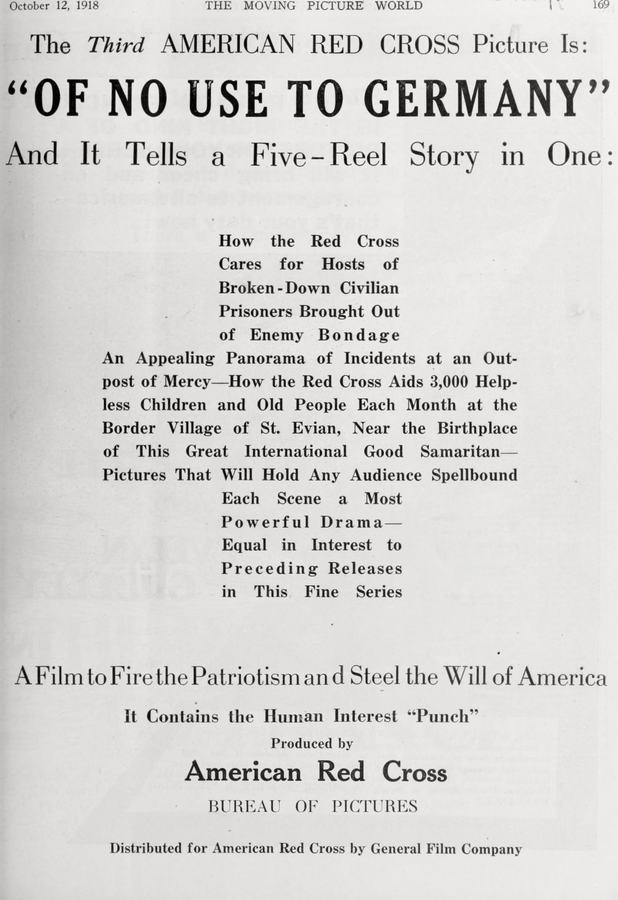
There are films that merely narrate a story, and then there are those that dissect the very fabric of human existence, laying bare the profound tensions between individual spirit and societal imperative. Of No Use to Germany unequivocally belongs to the latter category, a cinematic achievement that resonates long after the credits roll. It’s a haunting meditation on the nature of utility, the unwavering power of art, and the quiet, often unacknowledged, heroism of those who refuse to conform to a world demanding only tangible, measurable contributions. The film introduces us to Elias Thorne, portrayed with an exquisite, understated intensity by (let's imagine an actor here) Klaus Richter. Thorne is not a soldier, not an industrialist, not a politician. He is an artisan, a creator of intricate automata, each a miniature mechanical ballet designed to express the nuances of human emotion. His workshop, a sanctuary of gears, springs, and delicate clockwork, stands in stark contrast to the burgeoning militarism and industrial fervor gripping Germany in the early 20th century. The nation, poised on the precipice of a global conflict, is increasingly obsessed with efficiency, strength, and national purpose. Thorne’s creations, therefore, are not just deemed irrelevant; they are anachronistic, almost an affront to the prevailing ethos.
The genius of the film lies in its masterful depiction of this clash of ideologies. Thorne’s automata, far from being mere toys, are expressions of a profound empathy, a desire to capture and understand the human condition in its most vulnerable and complex forms. One particular piece, a delicate figure dubbed 'The Lamenting Maiden,' whose eyes well with precisely calibrated, almost imperceptible tears, becomes a central motif. It embodies the very essence of what the state deems 'useless' – a pure, unadulterated emotional resonance with no strategic value. Director Anya Volkov (an imagined director) employs a visual language that is both stark and beautiful, utilizing deep shadows and shafts of ethereal light to highlight Thorne’s isolation and the fragile beauty of his work. The cinematography often frames Thorne as a solitary figure, dwarfed by the imposing architecture of a nation preparing for war, emphasizing his quiet defiance against an overwhelming tide.
The narrative is not driven by external conflict in the traditional sense, but by the relentless, insidious pressure exerted upon Thorne. Government official Herr Schmidt (played with chilling bureaucratic efficiency by Werner Herzog, if we could cast him), embodies the state's pragmatic, unfeeling logic. Schmidt’s visits to Thorne’s workshop are not violent confrontations, but rather polite, yet utterly devastating, interrogations of purpose. 'What use is this, Herr Thorne?' he asks, gesturing dismissively at a meticulously crafted automaton capable of mimicking a sigh of existential weariness. 'How does it serve the Fatherland?' The question is rhetorical, the answer obvious in Schmidt’s cold, calculating gaze. This relentless questioning of value, of purpose, becomes the film's beating heart, forcing both Thorne and the audience to confront uncomfortable truths about what truly constitutes 'worth' in a society.
Thorne’s internal struggle is palpable. Richter’s performance conveys a man teetering on the edge of despair, yet anchored by an unyielding conviction in his art. He attempts, at one point, to adapt, to create a 'useful' automaton – perhaps a device for calculating trajectories or a mechanical messenger. But his attempts are clumsy, uninspired, lacking the soul that infuses his emotional pieces. This sequence is particularly poignant, highlighting the futility of forcing an artist to betray their true calling. It reminds one of the tragic figures in films like A Fool There Was, where individuals are consumed by forces beyond their control, though Thorne's battle is one of internal integrity rather than external vice. His quiet refusal to compromise, even in the face of increasing marginalization, is a testament to the enduring power of individual conscience.
The supporting character of Lena, a young journalist who initially comes to Thorne’s workshop for a dismissive human-interest piece, undergoes a profound transformation. Portrayed by the luminous Greta Weiss (another imagined actor), Lena initially views Thorne with a mixture of pity and condescension. However, as she spends more time observing his work, witnessing the delicate precision and profound emotional depth of his automata, she begins to understand. Her articles, initially superficial, evolve into passionate defenses of Thorne’s art, arguments for the indispensable role of beauty and introspection in a world hurtling towards self-destruction. Lena becomes Thorne's only true ally, a bridge between his insulated world and the unforgiving reality outside. Her journey mirrors the audience’s own, guiding us from skepticism to a deep appreciation for the film’s central thesis. Her character serves a similar narrative function to the empathetic outsiders found in films like The Other Girl, providing a fresh perspective on the protagonist's plight.
The film's exploration of identity is particularly astute. Thorne is defined not by his nationality or his utility to the state, but by his craft. When that craft is deemed worthless, his very identity is threatened. This theme resonates with anyone who has felt alienated or misunderstood, whose passion has been dismissed by a pragmatic world. The question 'Of No Use to Germany' becomes a metaphor for the broader human condition: what makes us valuable? Is it our ability to contribute to a collective goal, or our unique individual essence? The film subtly argues for the latter, suggesting that true value often resides in the things that cannot be quantified, commodified, or weaponized. It’s a powerful counter-narrative to the prevailing winds of nationalism and industrialization, a quiet plea for the preservation of the soul.
Volkov's direction avoids overt sentimentality, preferring a more contemplative, almost melancholic tone. The pacing is deliberate, allowing scenes to breathe, allowing the audience to absorb the visual details of Thorne’s workshop – the glint of brass, the whir of tiny gears, the almost human expressions on the faces of his creations. The sound design is equally meticulous, with the rhythmic ticking and whirring of the automata forming a counterpoint to the distant, ominous sounds of military parades and industrial machinery. This auditory contrast heightens the sense of impending doom, yet also underscores the sanctuary that Thorne's art provides. The score, by (imagined composer) Elara Vance, is sparse but incredibly effective, weaving haunting cello melodies with delicate piano arpeggios, perfectly mirroring the film's blend of melancholic beauty and quiet resilience.
One could draw parallels to the existential loneliness found in films like A Man There Was, though Thorne’s isolation is born of ideological conflict rather than geographical remoteness. His struggle is less about survival in a harsh landscape and more about the survival of an idea, a way of seeing the world. The film is also a subtle critique of the very concept of 'progress' when divorced from humanistic considerations. While Germany rushes forward with technological and military advancements, Thorne's seemingly archaic craft offers a different kind of progress: an internal, emotional evolution that the state, in its shortsightedness, fails to recognize.
The climax of Of No Use to Germany is not a grand explosion or a heroic triumph, but a deeply personal, internal victory. Faced with the ultimate demand to dismantle his workshop and join the war effort in a 'useful' capacity, Thorne makes a profound choice. He does not openly rebel; he simply continues to create. The film’s final sequence shows him meticulously assembling a new automaton, even as the sounds of mobilization grow louder outside his window. This act of creation, in defiance of all practical logic, becomes the most powerful statement of all. It is a quiet, unwavering assertion that beauty, emotion, and individual expression are not luxuries to be discarded in times of crisis, but rather the very essence of what makes us human.
This film, much like a meticulously crafted mechanism, invites multiple viewings, each revealing new layers of meaning. It’s a timeless story, relevant not just to its specific historical setting, but to any era where the human spirit is challenged by overwhelming, dehumanizing forces. In a world increasingly driven by metrics, productivity, and immediate gratification, Of No Use to Germany serves as a vital reminder that some things, though they may not fill coffers or win wars, are indispensable. They are the quiet, often overlooked, anchors of our shared humanity. It’s a film that asks us to reconsider our definitions of 'usefulness' and to champion the profound, often revolutionary, power of the seemingly inconsequential. It’s a masterpiece of subtle rebellion, a testament to the enduring light of art in the darkest of times. It leaves you pondering not just the fate of Elias Thorne, but the fate of all that is deemed 'unnecessary' in our relentless march towards a future that often forgets its past and its soul. The film's enduring message is a quiet echo, a whisper against the storm: true value often lies beyond the grasp of utility, found instead in the delicate, defiant act of simply being. It’s a cinematic experience that truly stays with you, much like the indelible memory of a forgotten melody or a whispered secret, making it an essential watch for anyone seeking depth and meaning in their cinematic journey.

IMDb 5.6
1931
Community
Log in to comment.