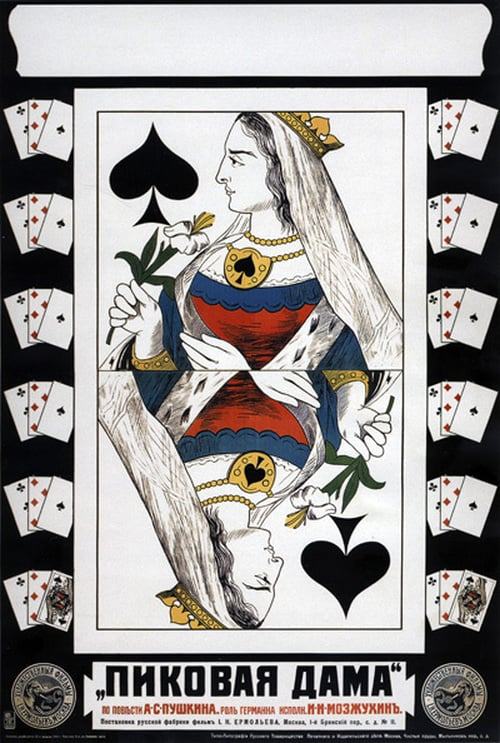
Russia in the 19th century. The young Lieutenant Stanislaus Kovolski is in constant financial difficulties.
Aleksandr Pushkin
Germany
If you have ever stood at a roulette table and felt the ball’s metallic clatter echo inside your ribcage, then Pique Dame will play you like a xylophone of bones. This 1918 German silent, adapted from Pushkin’s 1834 short tale, is less a moral parable than a frost-bitten hallucination—an absinthe-laced waltz through c...
Comparing the cinematic DNA and archive impact of two defining moments in cult history.
Arthur Wellin
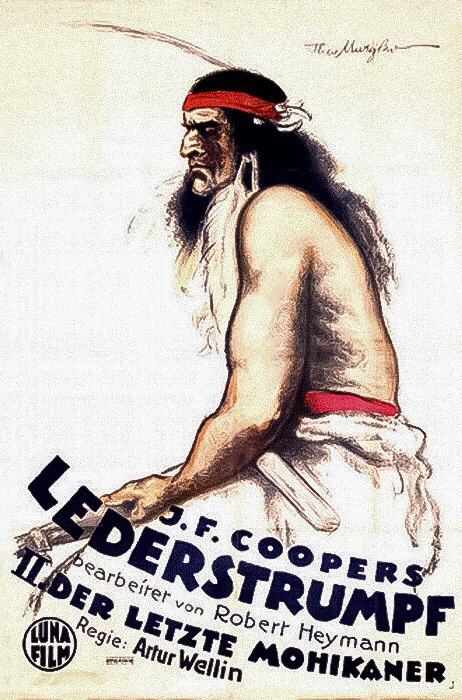
Arthur Wellin
Community
Log in to comment.
" If you have ever stood at a roulette table and felt the ball’s metallic clatter echo inside your ribcage, then Pique Dame will play you like a xylophone of bones. This 1918 German silent, adapted from Pushkin’s 1834 short tale, is less a moral parable than a frost-bitten hallucination—an absinthe-laced waltz through candle-smoke corridors where destiny wears a powdered wig and laughs through broken teeth. A Card Table as Altar of Doom Director Jacob Fleck and his lens-wielding confederate Luis..."
1920 · IMDb 6.7
Arthur Wellin