DbcultAccessing Vault...
Cult Review
Senior Film Conservator
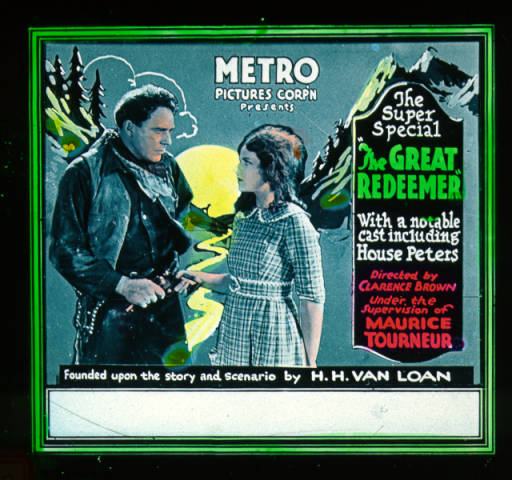
When we discuss the silent era, we often find ourselves trapped in the nomenclature of slapstick or the grandiosity of historical epics. Yet, every so often, a film like The Great Redeemer (1920) emerges from the archives to remind us that the early 20th century was a hotbed for gritty, existential exploration. This isn't just a story about a jailbreak or a simple religious tract; it is a profound meditation on the transformative power of art and the possibility of grace in the most desolate of human conditions.
The pedigree of the writing room here is nothing short of extraordinary. We see the early fingerprints of Jules Furthman, a man who would go on to define the hard-boiled dialogue of Howard Hawks’ masterpieces. Alongside him, the legendary John Gilbert—often remembered solely as the 'Great Lover' of the screen—proves his mettle as a storyteller of significant depth. The narrative construction avoids the saccharine traps that many contemporary faith-based stories fall into. Instead of a preachy sermon, we get a narrative that feels more akin to the psychological density of The Missing Links, where the environment dictates the morality of the characters.
The pacing is deliberate, allowing the claustrophobia of the prison cell to seep into the viewer's bones. By the time the central miracle occurs, the audience is as desperate for a sign of hope as the protagonists themselves. This isn't a cheap plot device; it’s a hard-earned epiphany. The transition from the thief's charcoal sketch to a living vision is handled with a visual sophistication that rivals the expressionistic flourishes we see in European imports like Du sollst keine anderen Götter haben.
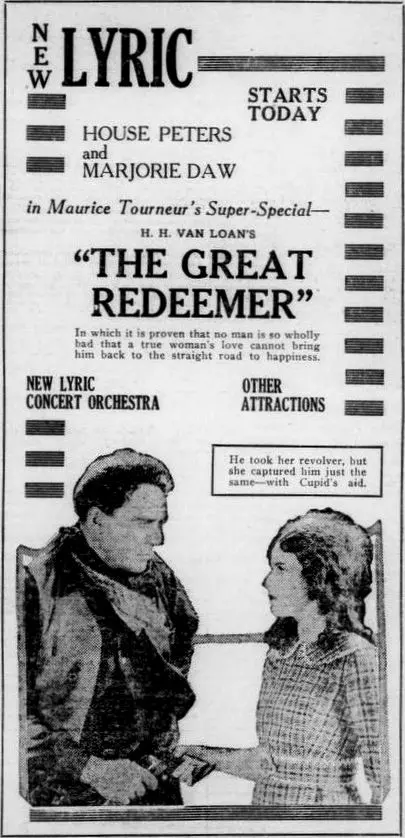
The cast brings a grounded intensity to a premise that could have easily drifted into melodrama. House Peters delivers a performance of remarkable restraint, embodying a man whose soul has been eroded by the harsh realities of the frontier and the carceral system. His chemistry with the rest of the ensemble—including the likes of Marjorie Daw and Jack McDonald—creates a microcosm of early 20th-century American society, where the line between the lawman and the outlaw is often blurred by circumstance.
In many ways, the film mirrors the thematic concerns of The Midnight Stage, particularly in its depiction of men pushed to their absolute limits. However, where other films might lean into the violence of the era, The Great Redeemer pivots toward an internal struggle. The thief, played with a nervous, creative energy, isn't just a criminal; he is an accidental prophet. When his drawing of the Christ comes to life, it’s a moment of pure cinematic magic that utilizes the limitations of silent film—the reliance on lighting, shadow, and the viewer's imagination—to achieve something truly transcendent.
The cinematography deserves its own chapter in the history books. The use of light in the prison sequences creates a sense of chiaroscuro that would make Caravaggio proud. The way the light filters through the bars, illuminating the charcoal lines of the drawing, serves as a visual metaphor for the divine piercing the darkness of human sin. It’s a stark contrast to the more traditional Western aesthetics found in films like The Bulldogs of the Trail.

This film understands that the silent medium is uniquely suited for the miraculous. Without the distraction of spoken dialogue, the focus remains entirely on the visceral reaction of the characters. We see the crumbling of the murderer's defenses in the way his eyes catch the light. We see the thief's disbelief transform into a terrifying kind of awe. It’s a masterclass in visual storytelling that doesn't need a massive budget to convey the weight of the infinite.
To understand the impact of The Great Redeemer, one must look at how it stands apart from its peers. While a film like Triumph might deal with similar themes of personal victory over adversity, it lacks the specific spiritual catalyst that makes this film so unique. There is a raw, unvarnished quality here that feels more authentic than the polished morality plays of the later studio system, such as The Coquette or even the atmospheric The Mysterious Lady.
The film also touches upon the social dynamics of the time. The prison is not just a place of punishment but a crucible. The interactions between the inmates and the guards reflect a burgeoning interest in penal reform and the psychology of the criminal mind, themes also hinted at in Her Husband's Honor. Yet, The Great Redeemer goes a step further by suggesting that no system of man can provide the kind of liberation that comes from a genuine change of heart.
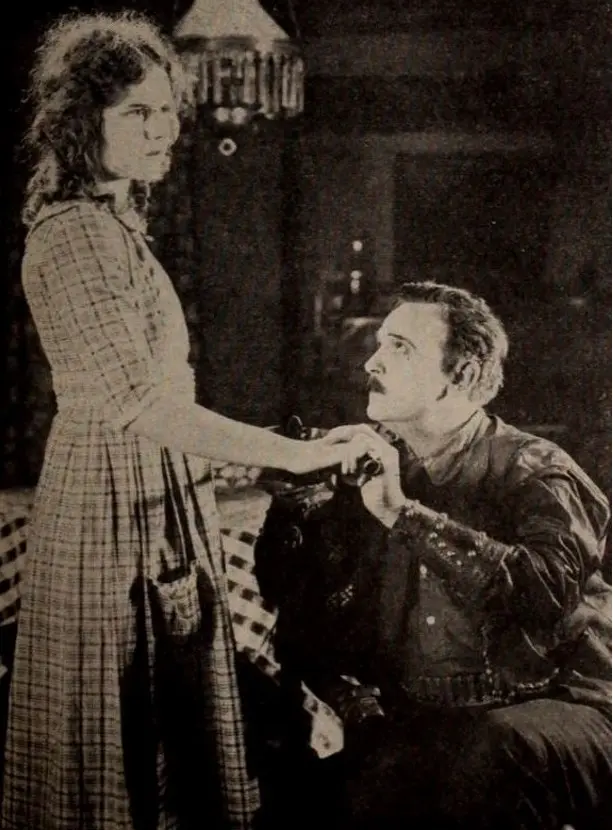
Why does this film matter today? In an age of digital effects and cynical reboots, The Great Redeemer stands as a testament to the power of a simple, profound idea. It reminds us that cinema, at its core, is a medium of light. The miracle in the cell is a metaphor for the cinematic experience itself—a flickering image on a wall that comes to life and changes the way we see the world. It shares a certain DNA with the poetic realism of La luz, tríptico de la vida moderna, where the mundane and the spiritual are constantly in dialogue.
The collaborative effort of John Gilbert and Jules Furthman creates a narrative arc that is as satisfying as it is challenging. They don't offer an easy way out for their characters. The murderer still has to face the consequences of his actions, and the thief must reckon with his past. But they do so with a newfound sense of purpose. This nuanced approach to morality is what elevates the film above standard genre fare like The Ventures of Marguerite or the more straightforward drama of The Greater Woman.
As a critic, I often find myself searching for the 'soul' of a film. In The Great Redeemer, that soul is visible in every frame. It is a film that demands your full attention, rewarding you with a story that lingers long after the final intertitle has faded. It is a vital piece of film history that bridges the gap between the rough-and-tumble Westerns of the 1910s and the sophisticated psychological dramas of the late 1920s. If you can find a print of this—or even a high-quality restoration—do not hesitate. It is a reminder that even in the darkest corners, art has the power to redeem.
Whether you are a student of silent cinema or simply a lover of powerful storytelling, this film is a mandatory watch. It captures a moment in time when the medium was discovering its ability to touch the divine, much like the characters in the film discover a higher power within the walls of their prison. This is cinema as liturgy, as transformation, and as pure, unadulterated art.
IMDb 6.4
1935
Community
Log in to comment.