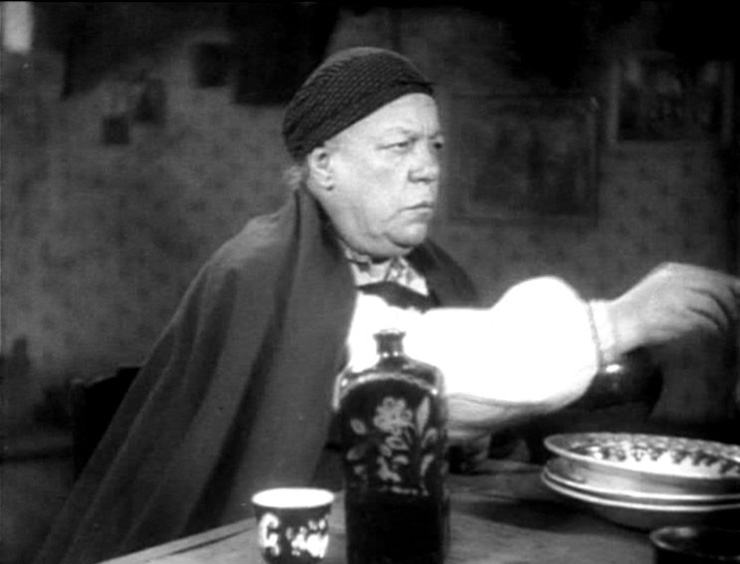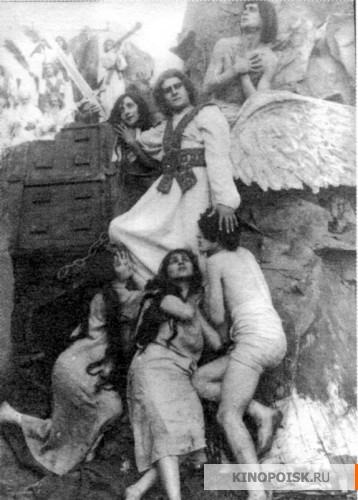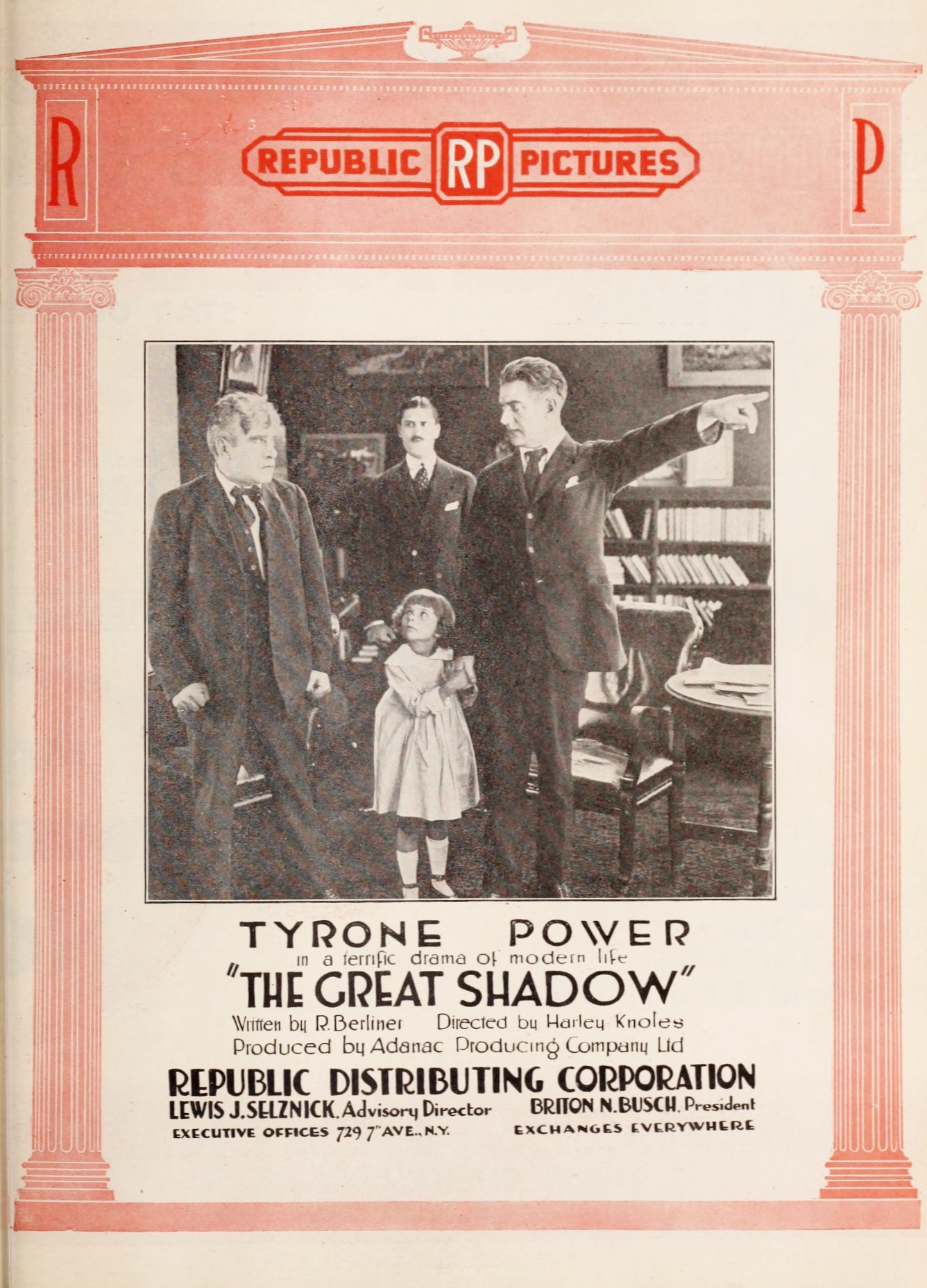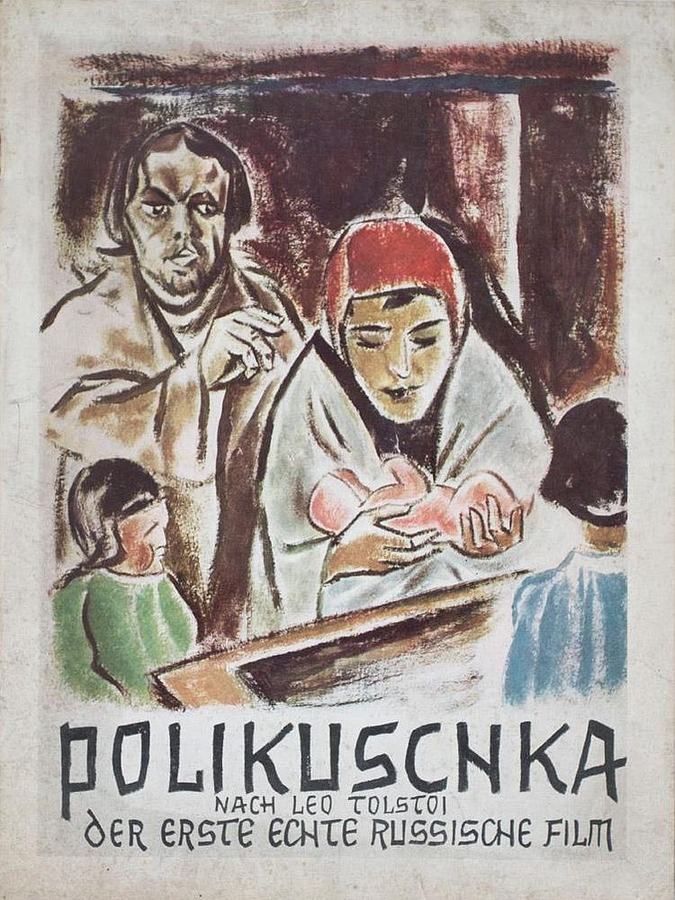
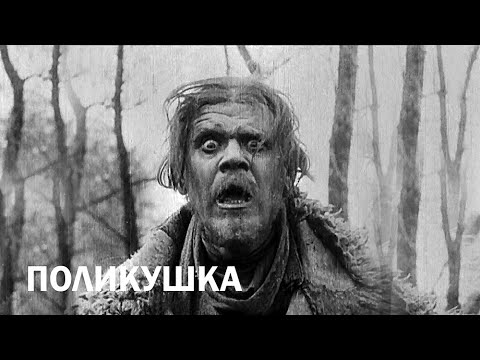
In 19th century Russia, peasant Polikei is sent by the wealthy landlady to town. Things start to get complicated and even tragic, when he loses the lady's money he was sent for.
To witness Aleksandr Sanin’s 1922 adaptation of Lev Tolstoy’s Polikushka is to step into a temporal vortex, one that bridges the gap between the theatrical traditions of the Moscow Art Theatre and the nascent, raw power of early Soviet cinema. This isn't merely a silent film; it is a visceral excavation of the human...
Comparing the cinematic DNA and archive impact of two defining moments in cult history.
Aleksandr Sanin

Robert N. Bradbury
Community
Log in to comment.
" To witness Aleksandr Sanin’s 1922 adaptation of Lev Tolstoy’s Polikushka is to step into a temporal vortex, one that bridges the gap between the theatrical traditions of the Moscow Art Theatre and the nascent, raw power of early Soviet cinema. This isn't merely a silent film; it is a visceral excavation of the human soul under pressure. While many contemporary films of the era, such as The Firm of Girdlestone, leaned heavily on Victorian moralizing and industrial melodrama, Polikushka operate..."
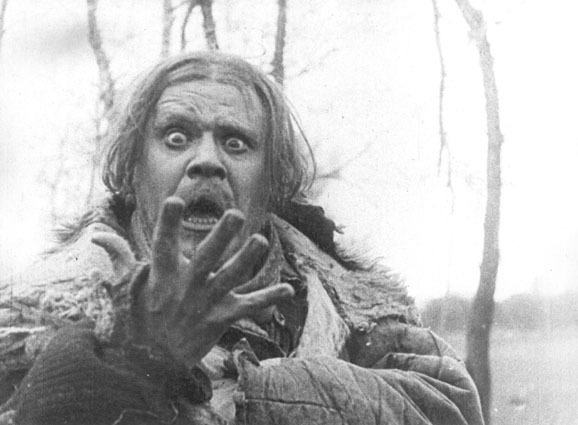
Ivan Moskvin
Lev Tolstoy, Nikolai Efros, Fyodor Otsep
Soviet Union
Drama

still_frame
1920 · IMDb —
Robert N. Bradbury
Deep dive into the cult classic
Discover similar cinematic experiences
A Directorial Spotlight on Aleksandr Sanin