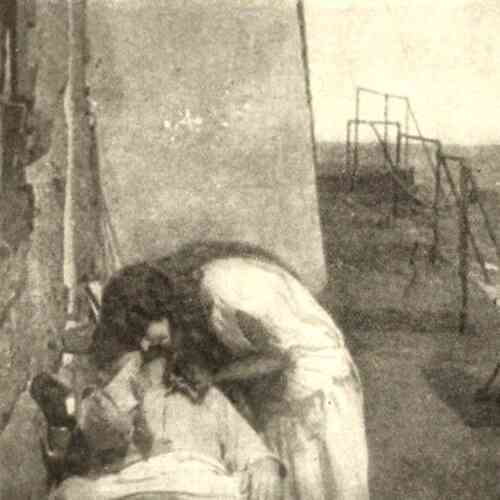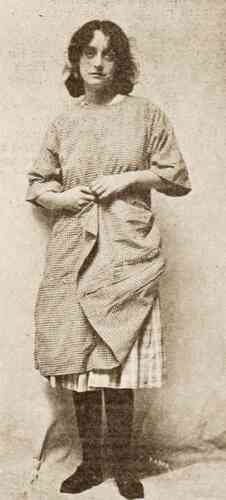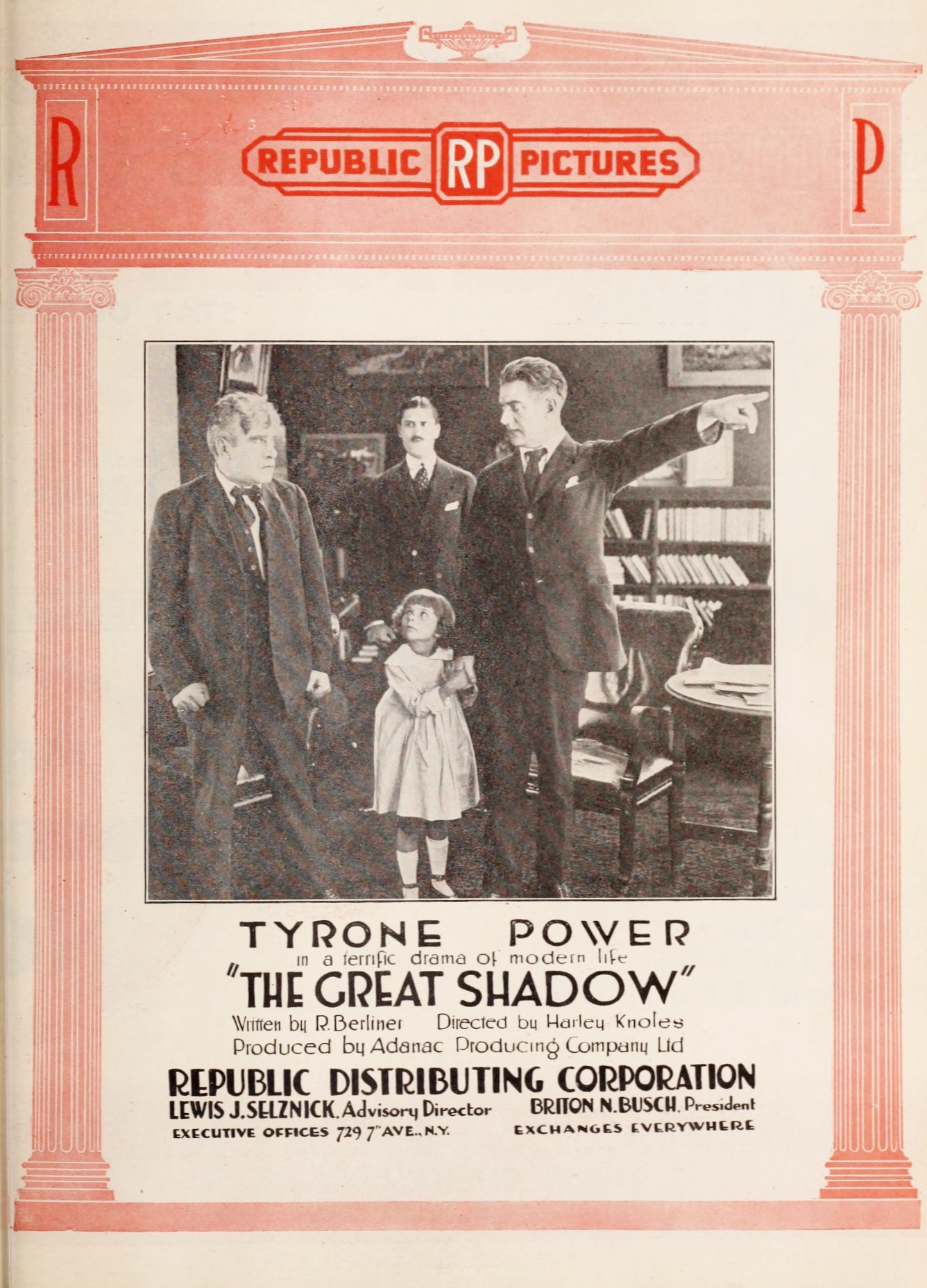
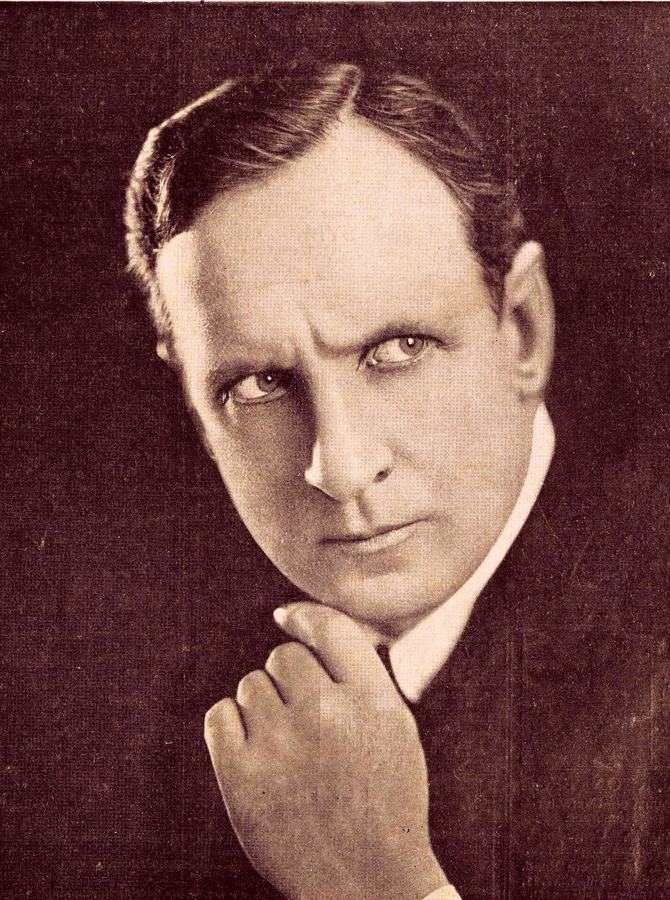
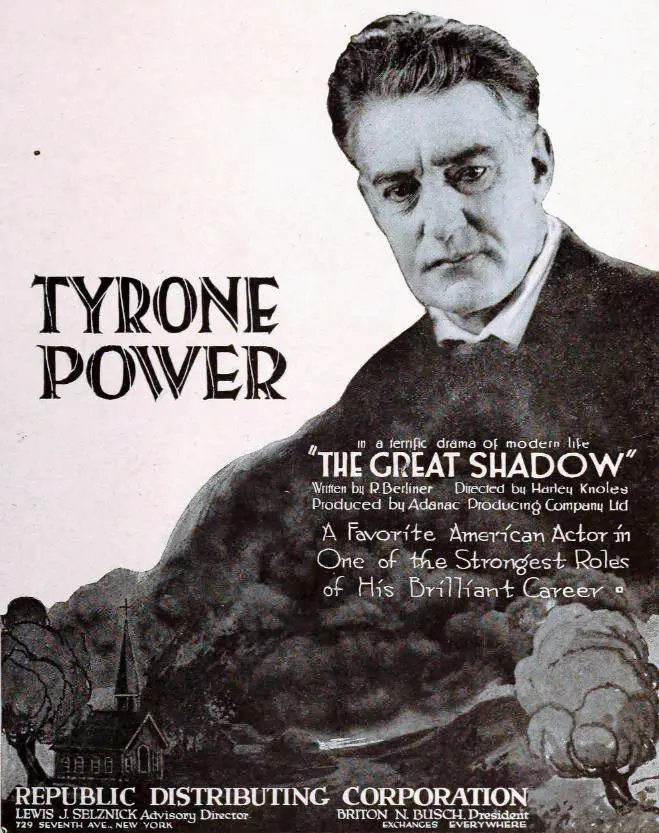
Jim McDonald, the foreman of a shipbuilding plant and head of the labor union, strives to combat the anarchistic propaganda being put forth by Klimoff, the leader of a Bolshevik gang whose goal is to disrupt the country with strikes and anarchy. Despite McDonald's efforts, a strike is called, resulting in chaos.
p{margin:0 0 1.2em 0;} blockquote{border-left:4px solid #EAB308; padding-left:1.2em; margin:1.4em 0; color:#EAB308; font-style:italic;} a{color:#0E7490; text-decoration:underline;} a:hover{color:#C2410C;} h2{color:#C2410C; margin:1.8em 0 0.6em 0; font-size:1.4em;} h3{color:#EAB308; margin:1.4em 0 0.4em 0; font-size:1...
production_art
Comparing the cinematic DNA and archive impact of two defining moments in cult history.
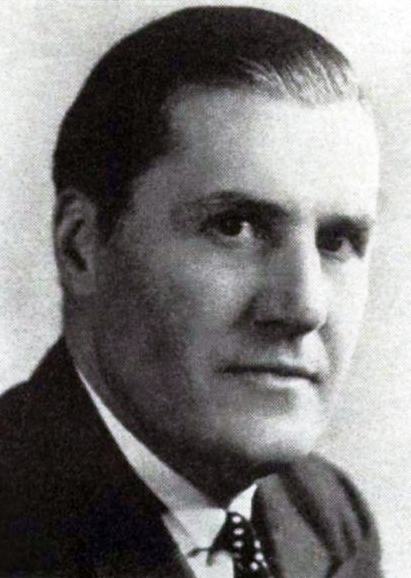
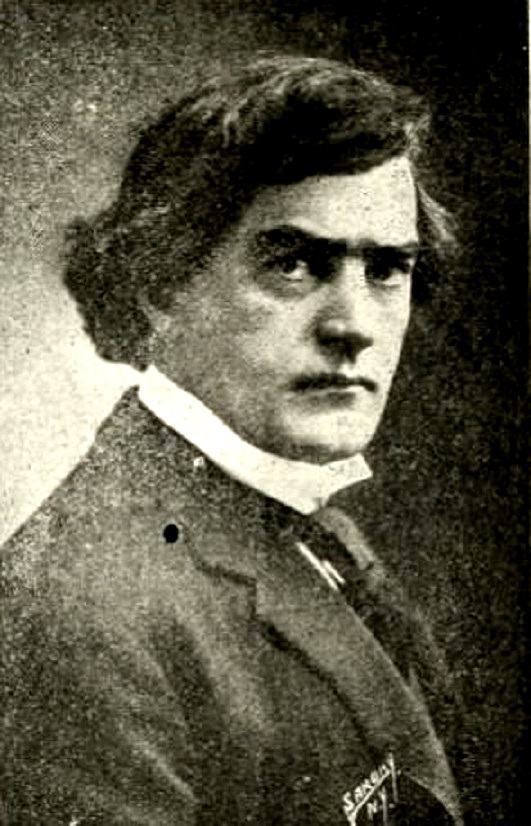
Harley Knoles
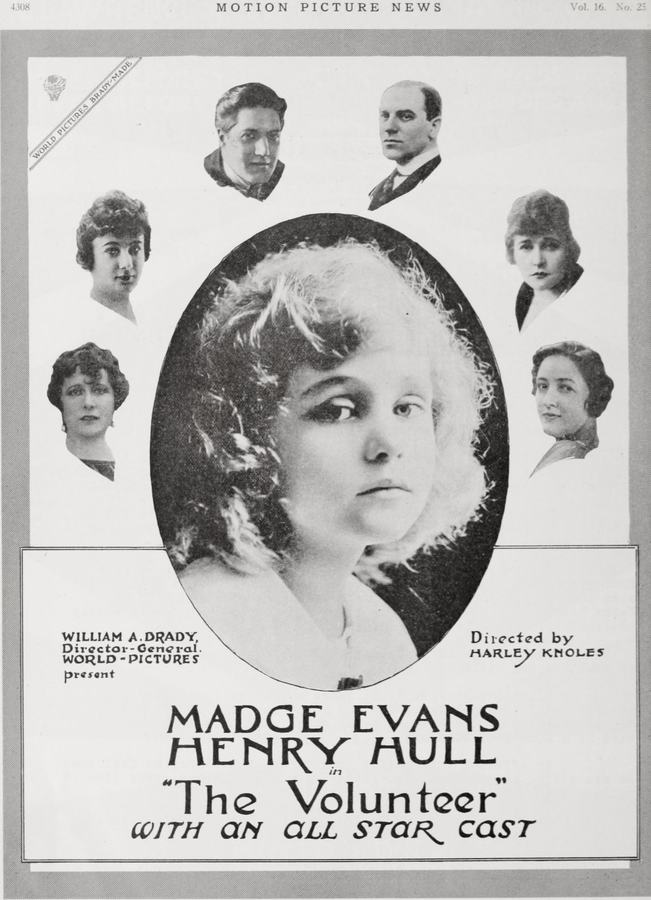
Harley Knoles
Community
Log in to comment.
" p{margin:0 0 1.2em 0;} blockquote{border-left:4px solid #EAB308; padding-left:1.2em; margin:1.4em 0; color:#EAB308; font-style:italic;} a{color:#0E7490; text-decoration:underline;} a:hover{color:#C2410C;} h2{color:#C2410C; margin:1.8em 0 0.6em 0; font-size:1.4em;} h3{color:#EAB308; margin:1.4em 0 0.4em 0; font-size:1.2em;} strong{color:#EAB308;} The Furnace of American Anxieties Released at the hinge of a jittery decade, The Great Shadow arrives like molten slag poured onto the national psyc..."
David Pidgeon
Rudolph Berliner, Eve Unsell
Canada
Deep dive into the cult classic
Discover similar cinematic experiences
A Directorial Spotlight on Harley Knoles