United States
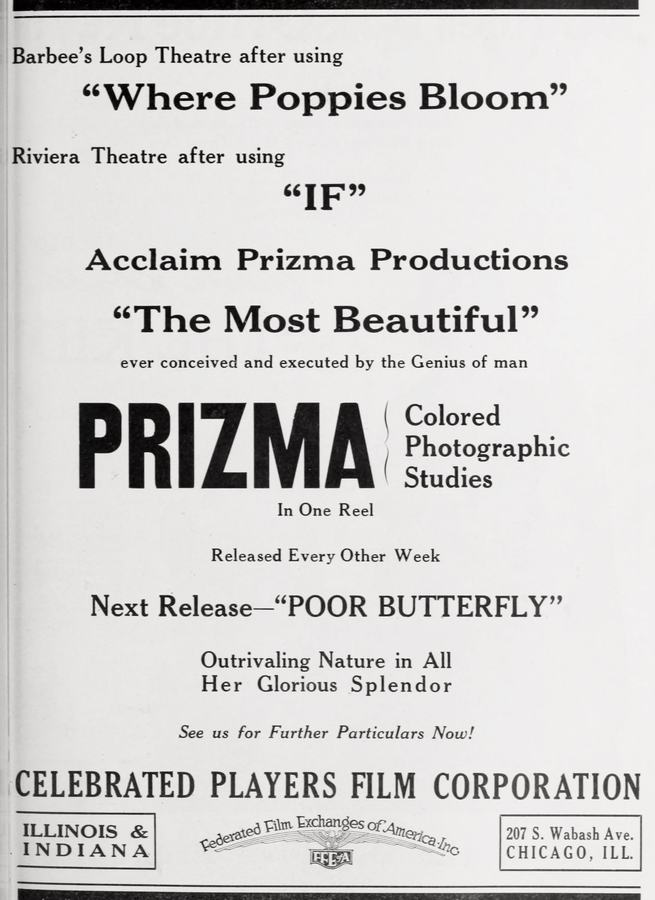
In the annals of silent cinema, few works capture the intersection of popular culture and tragic theatricality as poignantly as Poor Butterfly (1917). This film, emerging from the fertile ground of Selznick Pictures, is a testament to the era's obsession with the 'Orientalist' aesthetic and the tragic romanticism t...
Comparing the cinematic DNA and archive impact of two defining moments in cult history.
Unknown Director
Unknown Director
Community
Log in to comment.
" In the annals of silent cinema, few works capture the intersection of popular culture and tragic theatricality as poignantly as Poor Butterfly (1917). This film, emerging from the fertile ground of Selznick Pictures, is a testament to the era's obsession with the 'Orientalist' aesthetic and the tragic romanticism that dominated the American zeitgeist during the Great War. Unlike the more boisterous comedies of the period, such as 23 1/2 Hours' Leave, Poor Butterfly leans heavily into the sha..."