DbcultAccessing Vault...
Cult Review
Senior Film Conservator
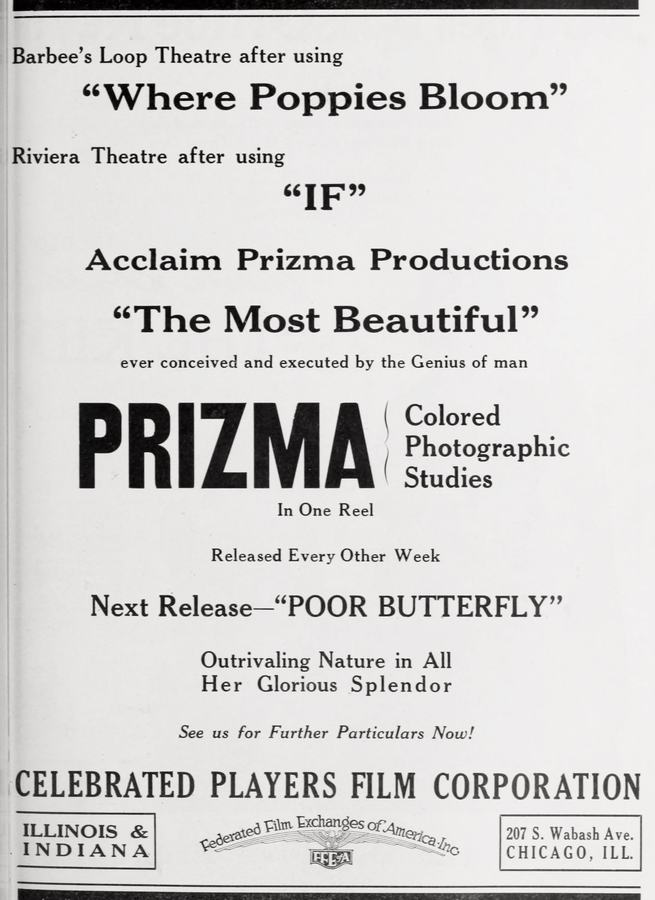
In the annals of silent cinema, few works capture the intersection of popular culture and tragic theatricality as poignantly as Poor Butterfly (1917). This film, emerging from the fertile ground of Selznick Pictures, is a testament to the era's obsession with the 'Orientalist' aesthetic and the tragic romanticism that dominated the American zeitgeist during the Great War. Unlike the more boisterous comedies of the period, such as 23 1/2 Hours' Leave, Poor Butterfly leans heavily into the shadows, utilizing the expressive power of Alice Brady to anchor a narrative that is as much about silence as it is about the music that inspired it.
The visual language of 1917 was one of rapid evolution, and here we see a sophisticated use of lighting to delineate the boundaries between the protagonist’s internal world and the harsh external reality. The cinematography does not merely record; it interrogates. When we compare the domestic tensions found in Why Change Your Wife?, we see a stark contrast. While DeMille focused on the satirical aspects of marital friction, Poor Butterfly treats the dissolution of romantic ideals with a somber, almost religious gravity, echoing the moral weight found in A Fallen Idol.
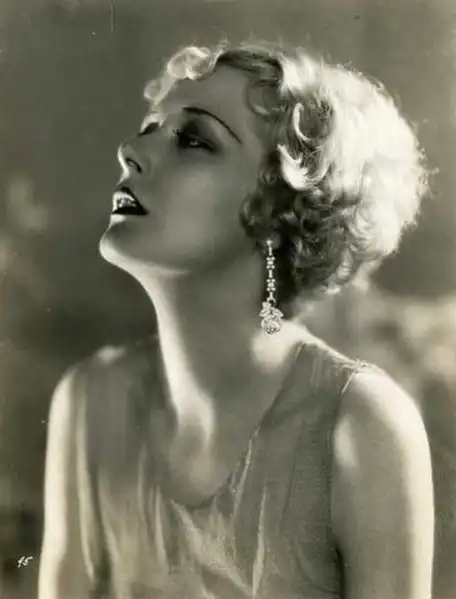
Alice Brady’s performance is nothing short of a revelation. In an era where pantomime often descended into the grotesque, Brady maintains a restrained elegance. Her eyes serve as the film’s primary emotional barometer, shifting from the wide-eyed innocence of a debutante to the hollowed-out gaze of a woman who has seen the machinery of society for what it truly is. This nuanced approach to character development is reminiscent of the historical depth seen in Nell Gwynne, though Brady’s character lacks the agency afforded to the royal mistress, making her plight all the more devastating.
There is a specific scene, bathed in high-contrast chiaroscuro, where the protagonist waits by a window—a clear homage to the Puccini opera that shares its DNA with the song and film. The stillness of the frame is agonizing. It captures the essence of the 'waiting woman' trope, yet Brady infuses it with a modern anxiety. This isn't just a woman waiting for a lover; it’s a woman waiting for her own obsolescence. The thematic resonance here parallels the existential dread found in Værelse Nr. 17, where the environment itself becomes a claustrophobic extension of the character’s psyche.
The production design of Poor Butterfly reflects a world in flux. The opulent interiors, dripping with the excess of the American elite, are framed with a geometric precision that suggests a cage. The use of flowers—specifically the recurring motif of the wilting blossom—serves as a heavy-handed but effective metaphor for the protagonist’s journey. This symbolic density is a hallmark of the period’s prestige dramas, much like the societal critiques embedded in Pillars of Society.
Critical Comparison: The Natural vs. The Artificial
While The Return of Eve explores the clash between primitive nature and modern civilization, Poor Butterfly examines the clash within civilization itself. It posits that the 'artificial' world of high society is far more predatory than any wilderness. The protagonist is not a 'child of nature' but a victim of artifice, much like the characters in Vater und Sohn who find themselves trapped by familial and social legacies.
One cannot ignore the racial and cultural implications of the 'Butterfly' narrative in 1917. While the film features a Western cast, the subtext of the 'Orientalist' fantasy is pervasive. It reflects a Western gaze that viewed the East as a repository of tragic beauty and submissive sacrifice. This dynamic is handled with more nuance here than in some of its contemporaries, yet it remains a foundational element of the film's conflict. It evokes a similar sense of cultural displacement seen in Ubirajara, though translated through the lens of early 20th-century Americana.
The film also touches upon the concept of the 'fallen woman,' a recurring theme that would later be explored with more grit in The Branding Iron. In Poor Butterfly, the 'fall' is not a singular event but a gradual erosion of status. The protagonist’s descent into poverty and social exile is depicted with a harrowing realism that avoids the melodrama often found in And the Children Pay. Instead, the film focuses on the psychological toll of this descent, making it a precursor to the modern character study.
Arthur Ashley’s direction is characterized by a deliberate pacing that allows the tragedy to breathe. He understands the power of the close-up, a technique that was still being refined during this era. By lingering on Brady’s face during moments of quiet realization, Ashley forces the audience to confront the character’s internal agony. This is a far cry from the spectacle-driven narratives of Heroes of the Cross, prioritizing emotional resonance over grandiosity.
The editing, too, deserves mention. The cross-cutting between the protagonist’s isolation and the vibrant, uncaring world of the elite creates a rhythmic tension that heightens the sense of tragedy. This technique was used to similar effect in The Last Sentence, where the juxtaposition of past and present serves to underscore the inevitability of fate. In Poor Butterfly, the juxtaposition is spatial rather than temporal, highlighting the vast chasm between social classes.
Why does Poor Butterfly remain relevant to the modern cinephile? It is because the film captures a universal truth about the fragility of identity in a world that demands conformity. The 'Butterfly' is a recurring archetype because it represents the purest form of vulnerability. Whether we are looking at the mystical escapism of Der Yoghi or the romantic entanglements of When Paris Loves, the core human desire for connection and the fear of abandonment remain unchanged.
Poor Butterfly is not merely a relic of a bygone era; it is a vital piece of cinematic history that bridged the gap between the theatrical traditions of the 19th century and the visual storytelling of the 20th. It challenged its audience to look past the surface of the 'popular song' and see the human cost of the fantasies we consume. The film’s final act, which I will not spoil for those seeking out this rare gem, is a masterclass in silent pathos, leaving the viewer with a sense of profound loss and a deeper appreciation for the artistry of the silent screen.
In the end, the film stands as a shimmering, albeit tragic, example of how cinema can elevate a simple melody into a complex exploration of the human condition. It is a work that demands to be seen, not just for its historical value, but for the raw, unvarnished emotion that Alice Brady brings to every frame. It is, quite simply, a masterpiece of early tragic realism that continues to flutter in the periphery of our cinematic consciousness, waiting to be rediscovered by a new generation of viewers.
IMDb 6.5
1919
Community
Log in to comment.