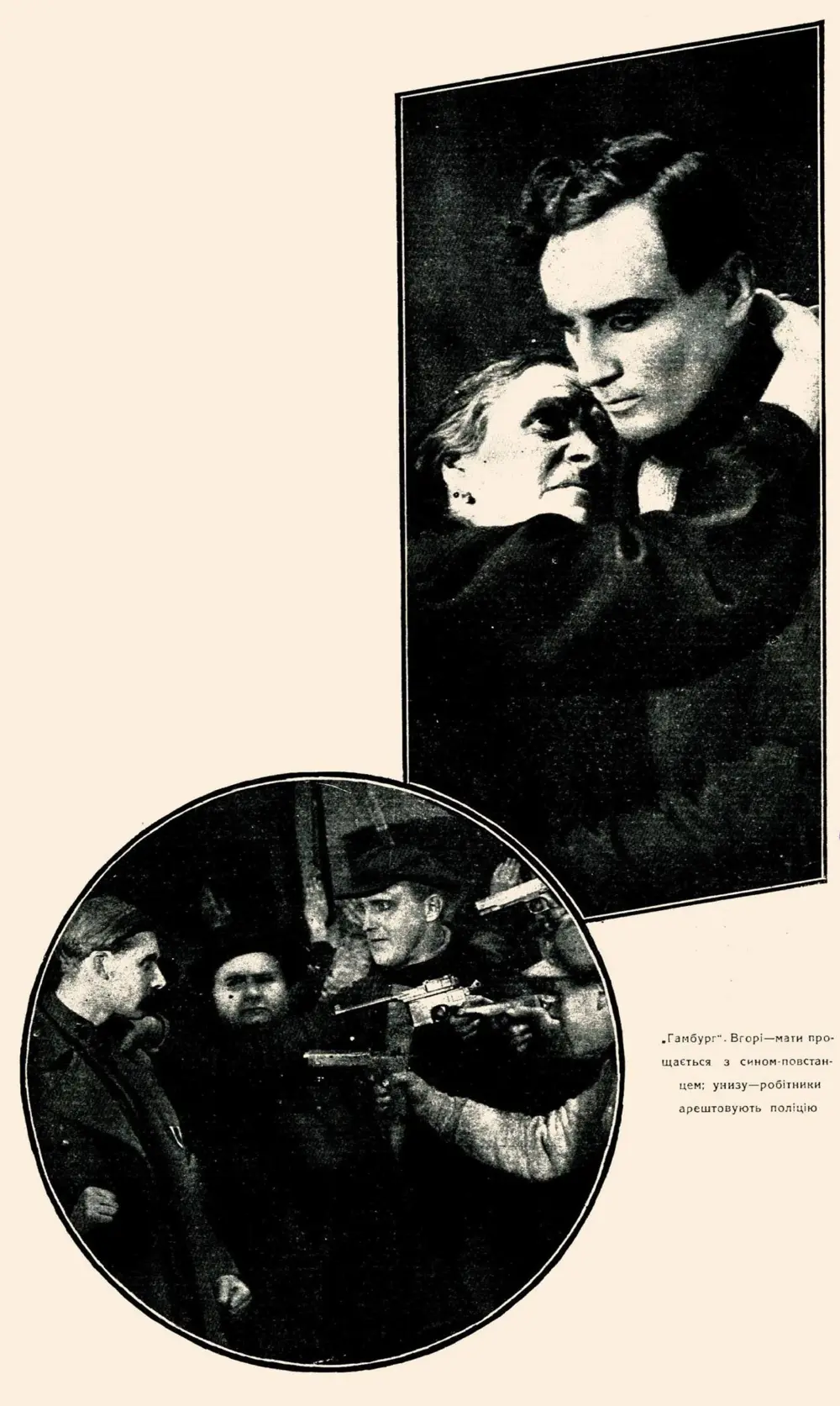
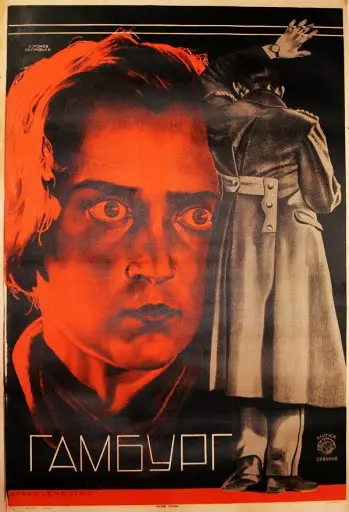
Is the 1923 silent film, Hamburg, worth watching today? Short answer: Yes, but with significant caveats that demand a specific kind of viewer.
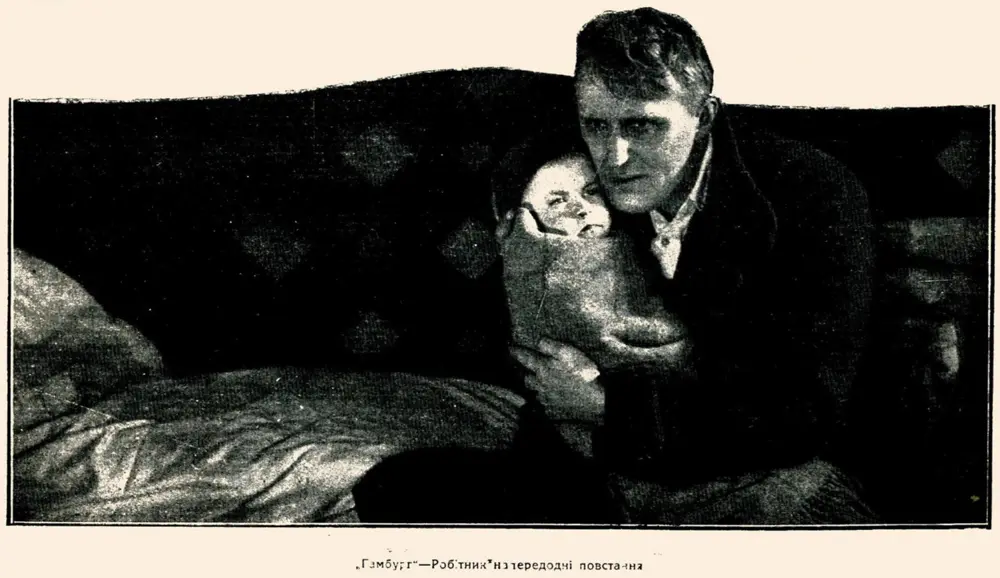
Scene from Hamburg
Cinematic perspective: Exploring the visual vocabulary of Hamburg (1926) through its definitive frames.
This film is unequivocally for those with a deep interest in early Soviet cinema, historical propaganda, and the tumultuous political landscape of post-WWI Germany. It is decidedly NOT for casual viewers seeking modern pacing, nuanced character development, or a straightforward narrative without prior historical context.
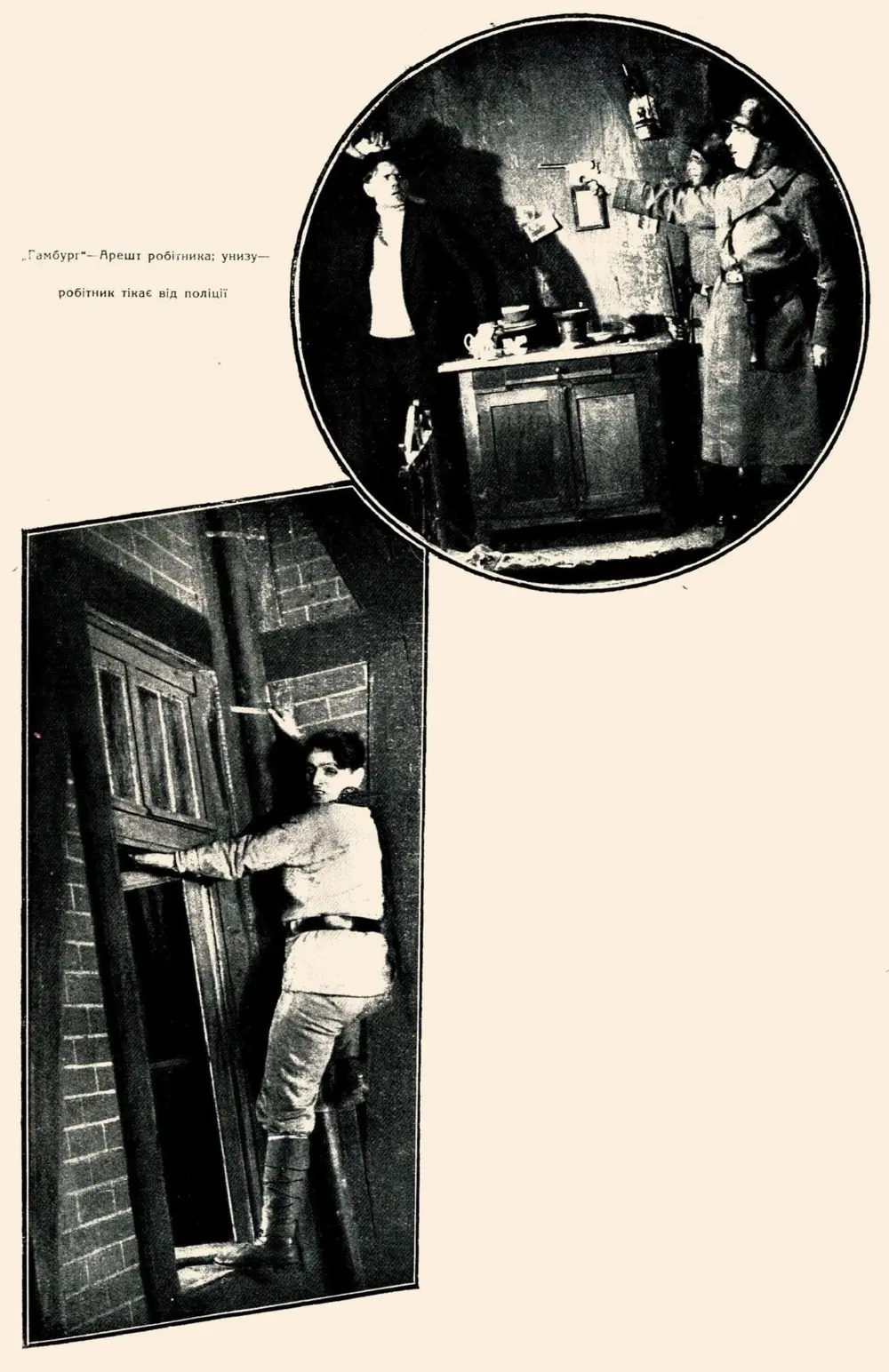
Scene from Hamburg
Cinematic perspective: Exploring the visual vocabulary of Hamburg (1926) through its definitive frames.
This film works because: Its raw, almost documentary-like portrayal of social unrest and the desperate fight for change is incredibly potent, offering a rare glimpse into a pivotal historical moment through the lens of its time.
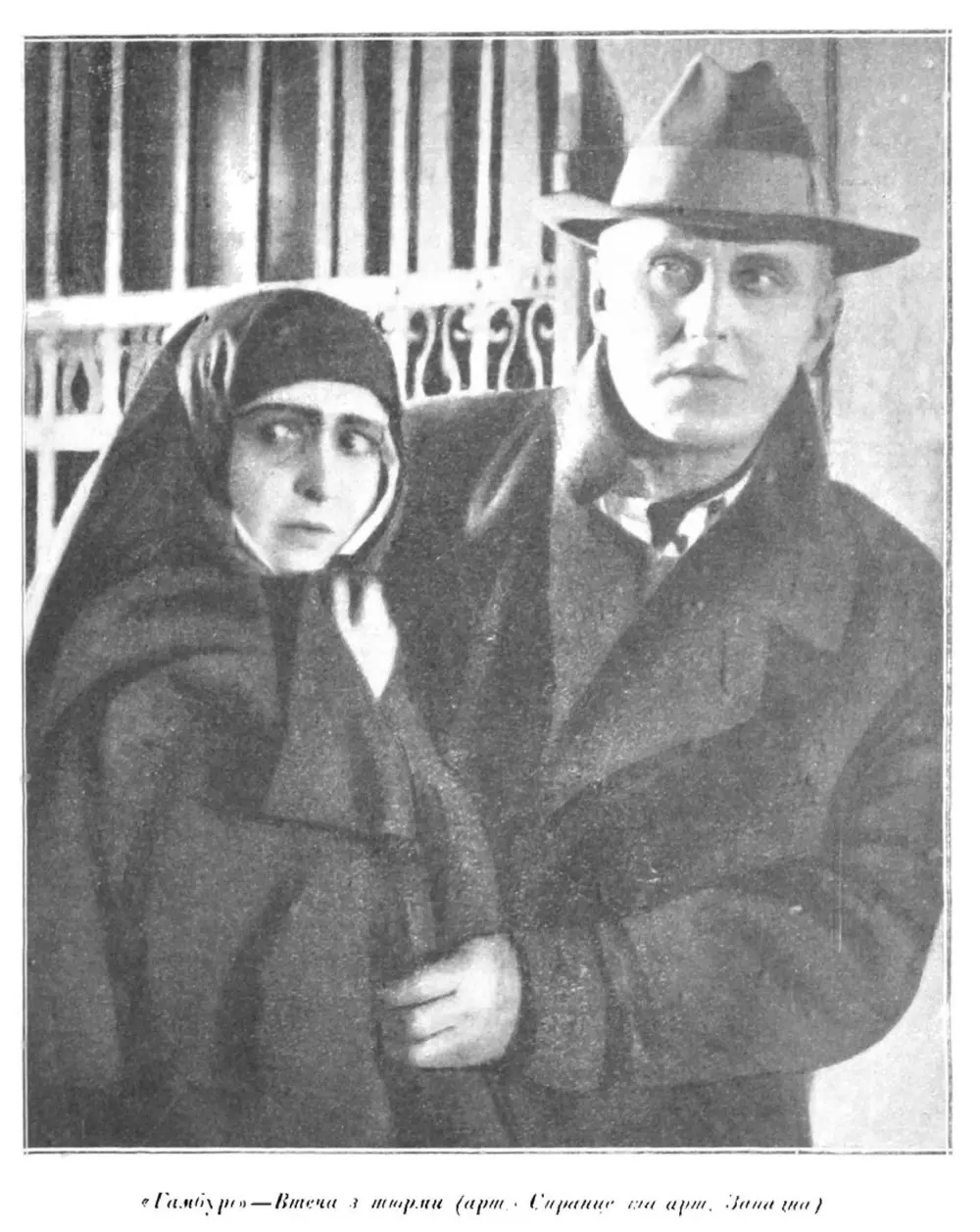
Scene from Hamburg
Cinematic perspective: Exploring the visual vocabulary of Hamburg (1926) through its definitive frames.
This film fails because: Its heavy-handed propaganda often overshadows genuine dramatic potential, leading to underdeveloped characters and a narrative that prioritizes ideological messaging over emotional depth.
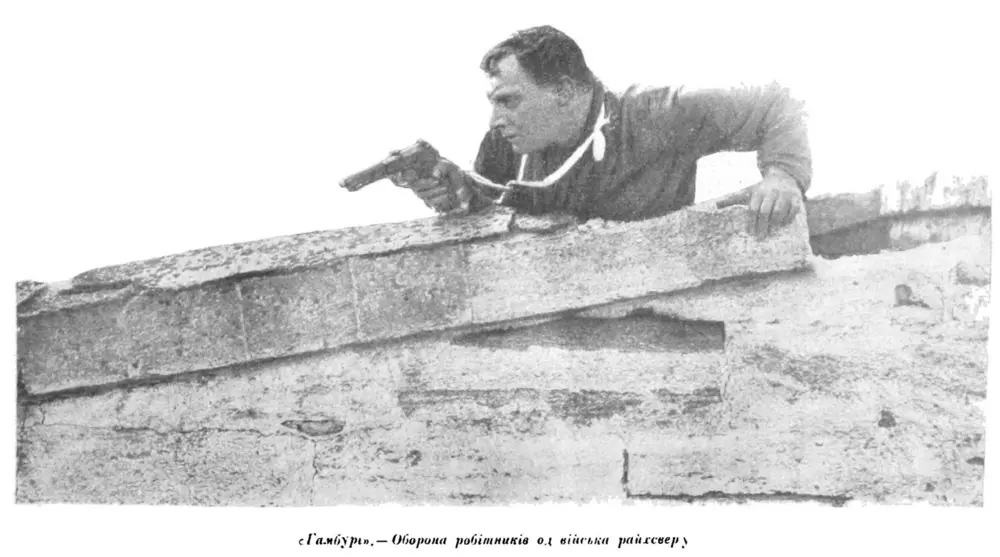
Scene from Hamburg
Cinematic perspective: Exploring the visual vocabulary of Hamburg (1926) through its definitive frames.
You should watch it if: You are a student of history, political science, or early film, eager to witness a powerful, if flawed, piece of cinematic history that reflects a specific revolutionary fervor.
Scene from Hamburg
Cinematic perspective: Exploring the visual vocabulary of Hamburg (1926) through its definitive frames.
A Glimpse into Revolutionary Fervor: Plot and Historical Context
To approach Hamburg, one must first understand the cauldron from which it emerged. Germany in 1923 was a nation on its knees, ravaged by hyperinflation, widespread hunger, and the political instability of the nascent Weimar Republic. This film, a Soviet production, doesn't merely depict this chaos; it actively interprets it through a revolutionary lens.
The narrative plunges us directly into the heart of the Hamburg Uprising, a real historical event, albeit heavily dramatized and ideologically framed. We follow Nils Unger, a communist firebrand, as he galvanizes the desperate working class to seize arms and fortify their positions against the state. The film's opening sequence, depicting the rapid organization and arming of the workers, is a chillingly efficient piece of agitprop, demonstrating the perceived inevitability and righteousness of their cause.
The central conflict pivots on the character of Busch, a Social