United States
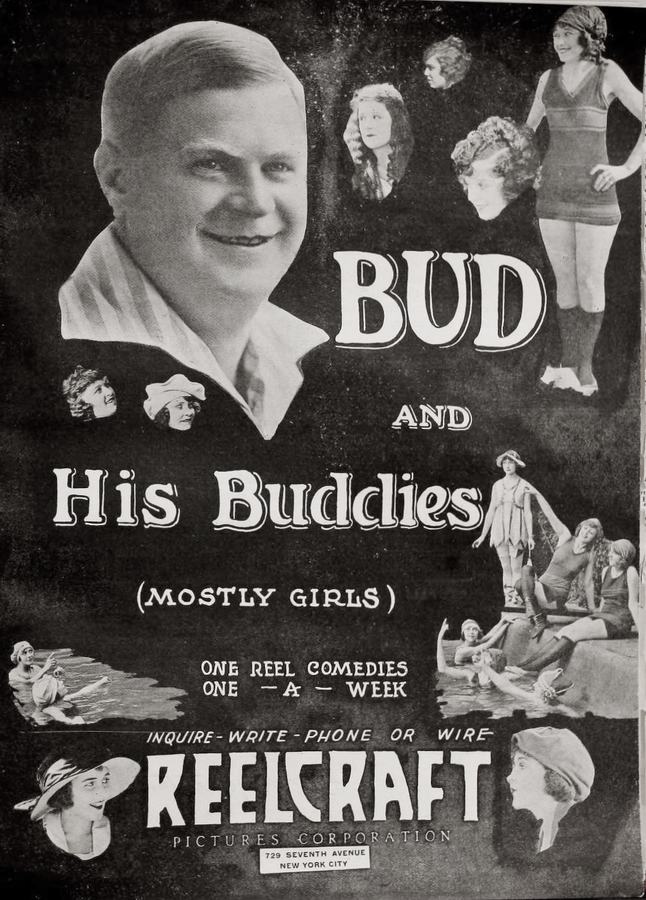
The Kinetic Poetry of Bud Duncan To witness Puppy Love (1921) in the modern era is to engage in a form of cinematic archaeology, brushing away the dust of a century to reveal a gleaming, hyperactive relic of the silent comedy boom. While the title suggests a saccharine exploration of youthful infatuation, the realit...
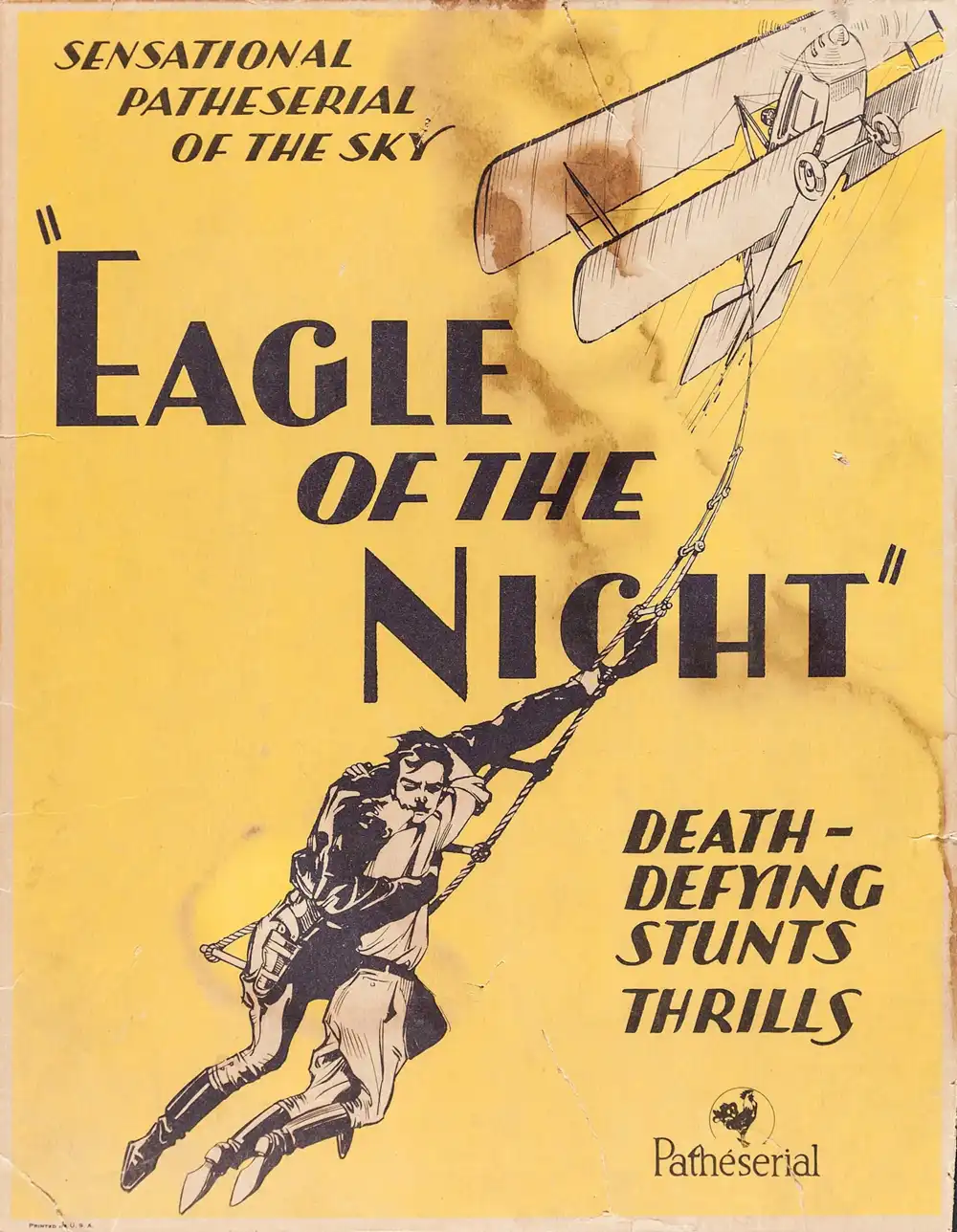
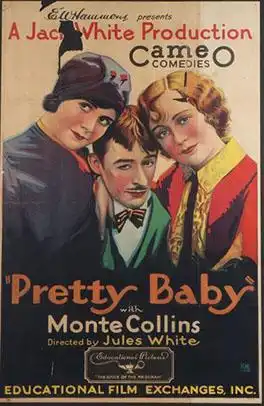
Comparing the cinematic DNA and archive impact of two defining moments in cult history.
Unknown Director

Unknown Director
Community
Log in to comment.
" The Kinetic Poetry of Bud Duncan To witness Puppy Love (1921) in the modern era is to engage in a form of cinematic archaeology, brushing away the dust of a century to reveal a gleaming, hyperactive relic of the silent comedy boom. While the title suggests a saccharine exploration of youthful infatuation, the reality is a much more robust and frenetic display of physical comedy. Bud Duncan, a performer whose legacy is often unfairly overshadowed by the giants like Chaplin or Keaton, delivers ..."