DbcultAccessing Vault...
4/10
Senior Film Conservator
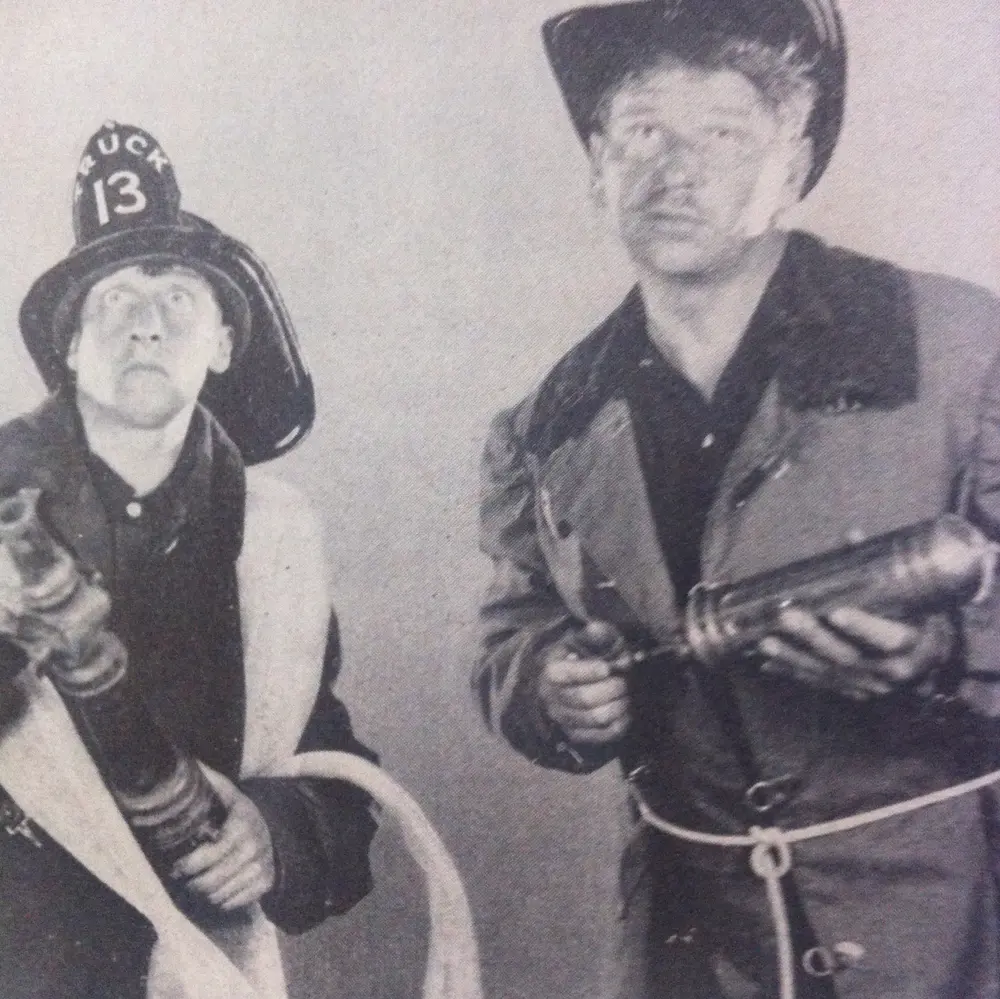
A definitive 4/10 rating for a film that redefined the boundaries of cult cinema. Fireman, Save My Child remains a cornerstone of transgressive art.
Is Fireman, Save My Child (1927) a film worth watching today? Short answer: yes, but with significant caveats that anchor it firmly in its historical context. This silent comedy is a fascinating peek into early Hollywood's slapstick sensibilities, offering genuine laughs for those attuned to its particular rhythm, yet it will undoubtedly test the patience of viewers accustomed to modern pacing and narrative sophistication.
It's a film best suited for silent film enthusiasts, cinephiles interested in the evolution of comedy, and those who appreciate the raw, physical performances of stars like Wallace Beery. Conversely, it is decidedly not for anyone seeking contemporary humor, intricate plotlines, or rapid-fire dialogue; its charm lies in its simplicity and historical value, not its universal accessibility.
Monte Brice's Fireman, Save My Child arrives from an era where the visual gag was king, and narrative was often a mere scaffold for comedic set pieces. This 1927 feature, starring the formidable duo of Wallace Beery and Raymond Hatton, is a prime example of the silent comedy machine at full tilt, delivering a series of escalating predicaments centered around the thankless, yet heroic, lives of firefighters.
The film's premise is delightfully simple: two dedicated firemen, constantly battling genuine emergencies, find their professional lives increasingly complicated by their chief's spoiled daughter. Her penchant for ringing in false alarms, merely to secure some 'heavy lifting' from the responding crew, forms the backbone of its comedic conflict. It’s a concept that, while dated in its portrayal of female agency, offers a rich vein for physical comedy and exasperated reactions.
Let's cut to the chase regarding Fireman, Save My Child.
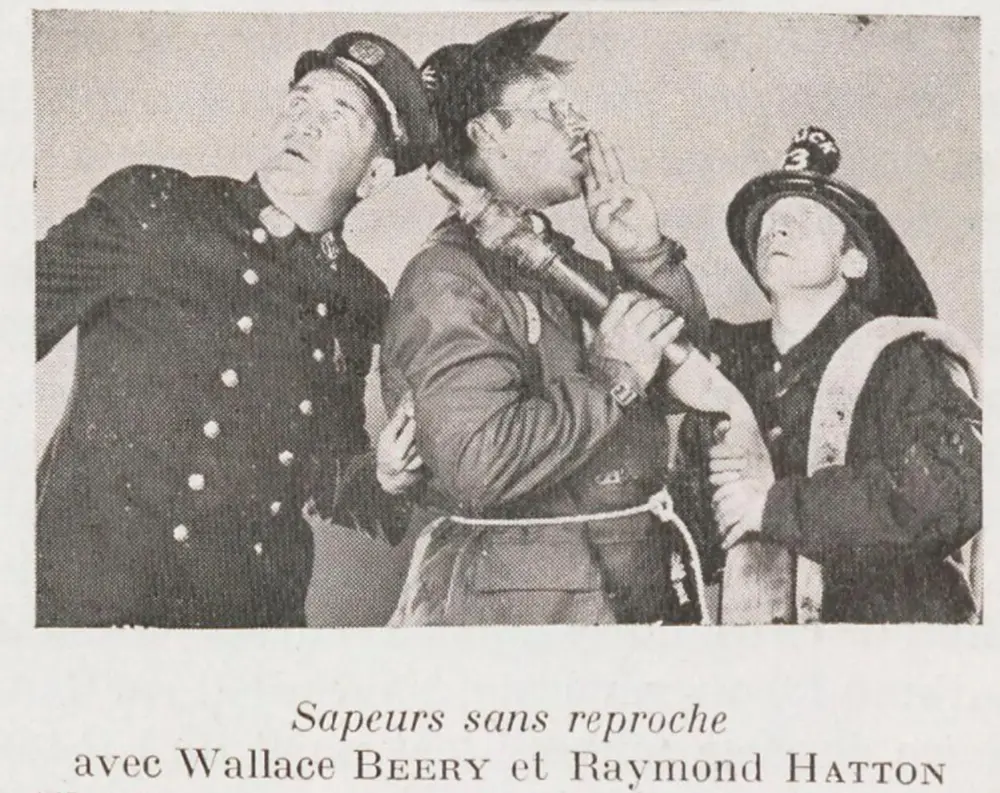
The performances in Fireman, Save My Child are, as expected for the era, broad and demonstrative, relying heavily on facial expressions and physical comedy to convey emotion and intent. Wallace Beery, even in this early role, showcases the gruff charm and comedic timing that would define his career. He embodies the long-suffering fireman with a palpable sense of weary resignation, yet always with an underlying commitment to his duty.
His scenes with Raymond Hatton, who plays his comedic foil, are the film's undeniable highlight. Their chemistry is a classic example of the 'buddy duo' dynamic, with Hatton often serving as the more excitable, slightly dimwitted counterpart to Beery's stoic, world-weary persona. One particularly memorable sequence involves them attempting to navigate a particularly precarious ladder situation, their synchronized mishaps a testament to their physical comedic prowess.
Josephine Dunn as the chief's daughter, however, presents a more challenging performance for contemporary viewers. Her character is intentionally written to be a nuisance, a 'bratty' figure whose self-centeredness drives much of the conflict. While Dunn plays the role with spirited abandon, her portrayal can feel grating, a relic of a time when female characters were often reduced to such archetypes for comedic effect. It's an observation that makes the film feel less like timeless comedy and more like a period piece.
Thelma Todd, in a smaller role, offers a glimpse of her burgeoning talent, though she isn't given much to do beyond reacting to the central chaos. Her presence, however brief, adds a touch of glamour to the otherwise grimy world of firefighting.
Monte Brice's direction is competent, if not groundbreaking, for the period. He understands the mechanics of silent comedy, allowing gags to play out with sufficient screen time for the audience to register the setup and punchline. The camera work is mostly static, focusing on capturing the full scope of the physical comedy, rather than employing dynamic angles or complex tracking shots.
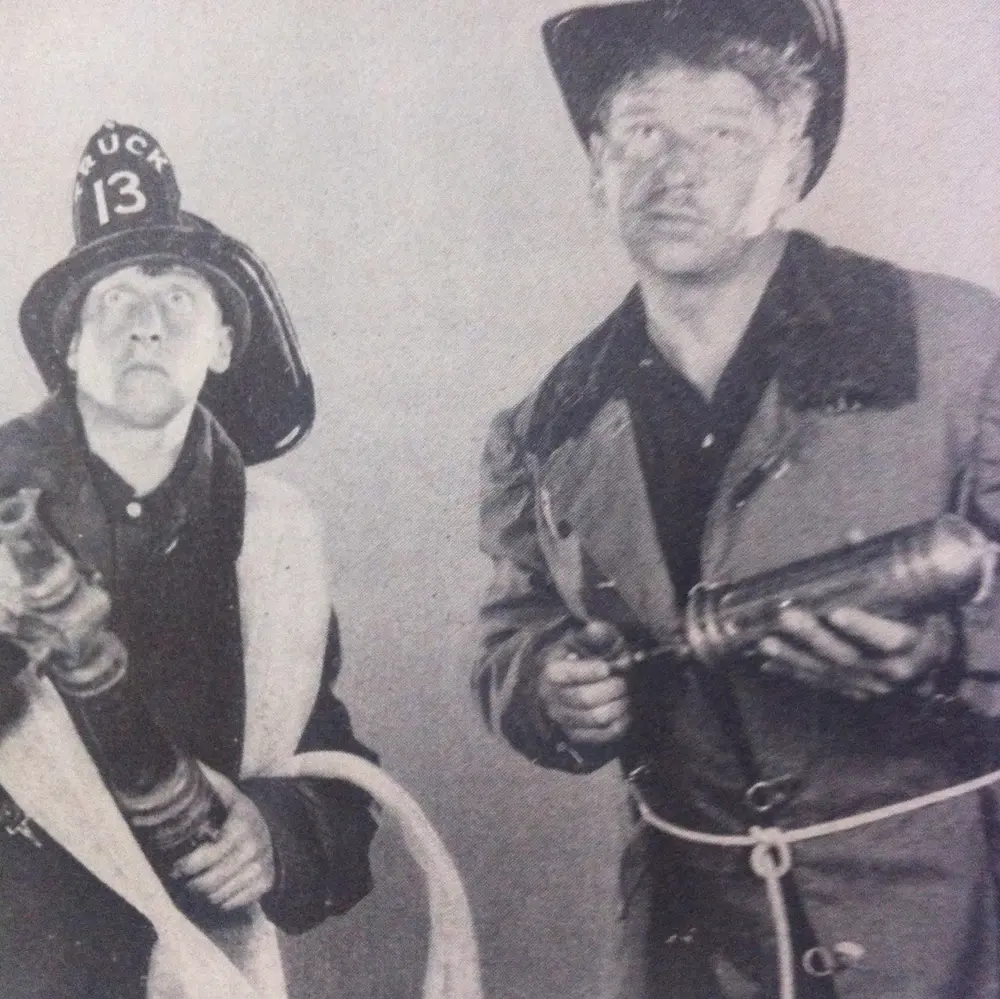
The pacing, however, is where modern viewers might struggle. Silent films, by their nature, often feel slower than their sound counterparts. Fireman, Save My Child is no exception. There are moments where a gag is extended beyond its comedic shelf life, or where the transition between scenes feels unnecessarily drawn out. This isn't necessarily a flaw of the film itself, but rather a characteristic of the era's filmmaking techniques and audience expectations.
An unconventional observation: The film inadvertently serves as a fascinating sociological document, illustrating the nascent stages of public service and the often-unappreciated labor of emergency responders, even amidst the comedic chaos. The very idea of misusing emergency services, while played for laughs, hints at underlying societal norms and expectations around authority and privilege.
Compared to the more frenetic energy of a Buster Keaton or Harold Lloyd feature, Fireman, Save My Child maintains a more grounded, almost naturalistic, approach to its comedic scenarios, despite the inherent absurdity. It's less about daredevil stunts and more about the everyday frustrations of working-class heroes.
The cinematography, while rudimentary by today's standards, is effective in conveying the hustle and bustle of a fire station and the rudimentary technology of the time. The black and white photography, with its occasional tints (depending on the print), adds a layer of nostalgic charm. One can almost smell the smoke and feel the grit of the city streets through the grainy texture of the film.
The tone is overtly comedic, leaning heavily into slapstick and situational humor. There's a lightheartedness that permeates even the more dramatic moments, ensuring the audience never takes the 'threats' too seriously. This isn't a film aiming for profound statements or deep emotional resonance; it's designed purely for laughs, and in that, it largely succeeds for its intended audience.
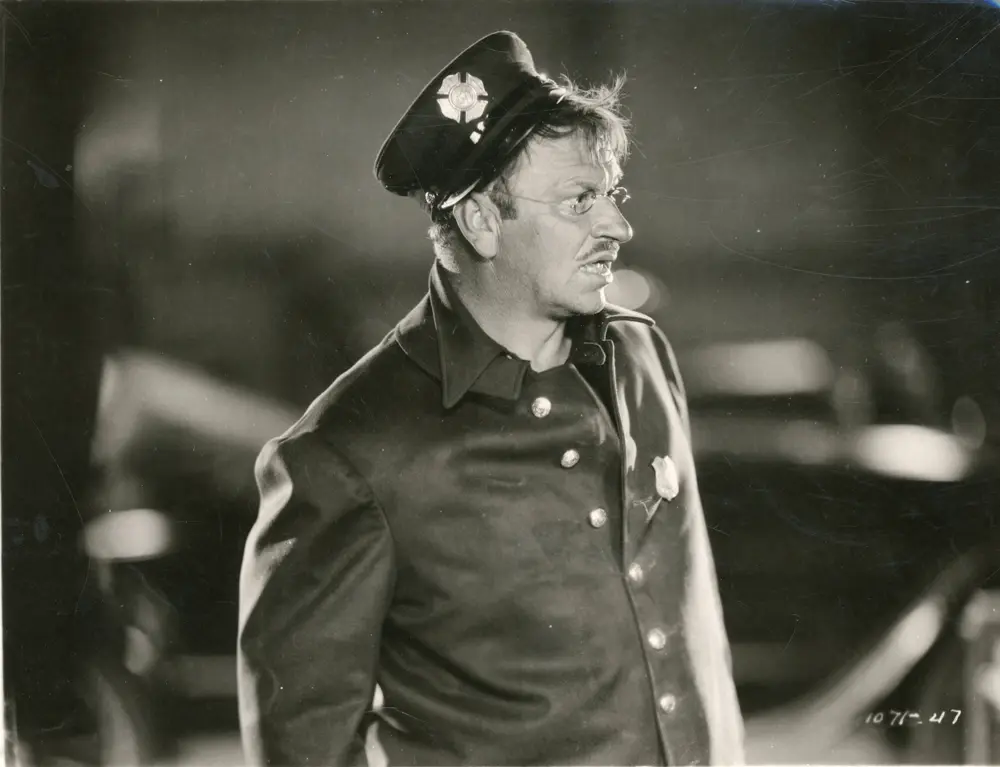
However, a debatable opinion: while the film is undeniably a product of its time, its portrayal of the female antagonist feels particularly regressive, even for the 1920s. While other films like The Charming Mrs. Chase might have explored more nuanced female characters, Fireman, Save My Child leans into a trope that feels less charming and more irritating, making it harder to fully embrace its comedic intentions without a critical lens.
For those who appreciate the historical significance of silent cinema and the foundational elements of physical comedy, Fireman, Save My Child offers a valuable, if somewhat dated, viewing experience. It's not a film that will convert skeptics of silent movies, nor is it a forgotten masterpiece waiting to be rediscovered by a mass audience.
It serves as an excellent example of early comedic tropes and character archetypes that would evolve over decades. Watching it is akin to visiting a museum: you appreciate the craftsmanship and the era it represents, even if it doesn't always resonate with modern sensibilities. It works. But it’s flawed.
Fireman, Save My Child is a film that demands to be viewed through a specific historical lens. It is not a timeless comedy that transcends its era, but rather a charming, if somewhat flawed, artifact that offers valuable insights into the nascent stages of American cinematic humor. Its strengths lie squarely in the physical comedy and the undeniable screen presence of its lead actors, who manage to wring laughs from a simple, often repetitive, premise.
While it won't resonate with everyone, for those with an appreciation for silent film and a willingness to engage with its period-specific quirks, there's enjoyment to be found. It's a testament to the enduring appeal of the underdog and the power of a well-executed sight gag, even if the narrative engine occasionally sputters. Consider it a worthwhile, if not essential, stop on the journey through early cinematic history.
IMDb —
1922
Community
Log in to comment.