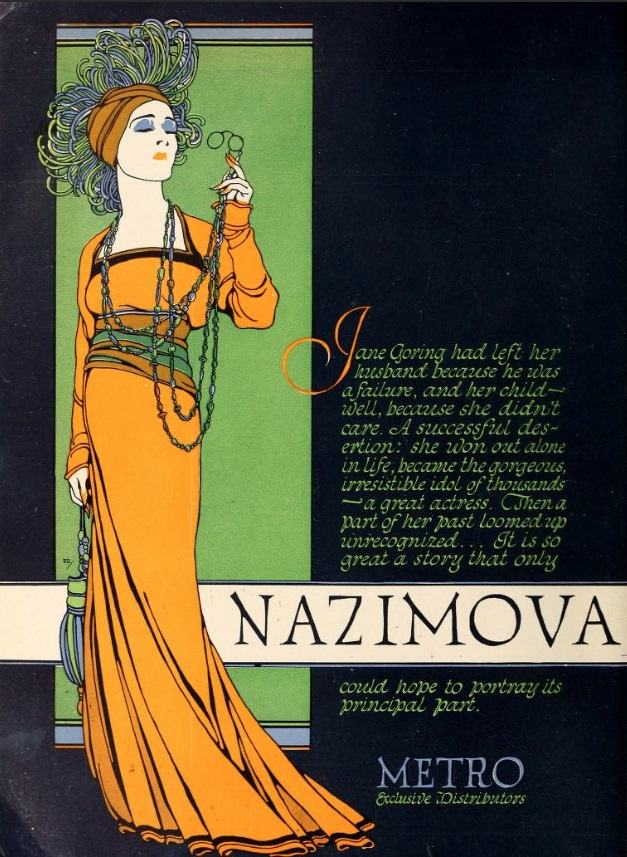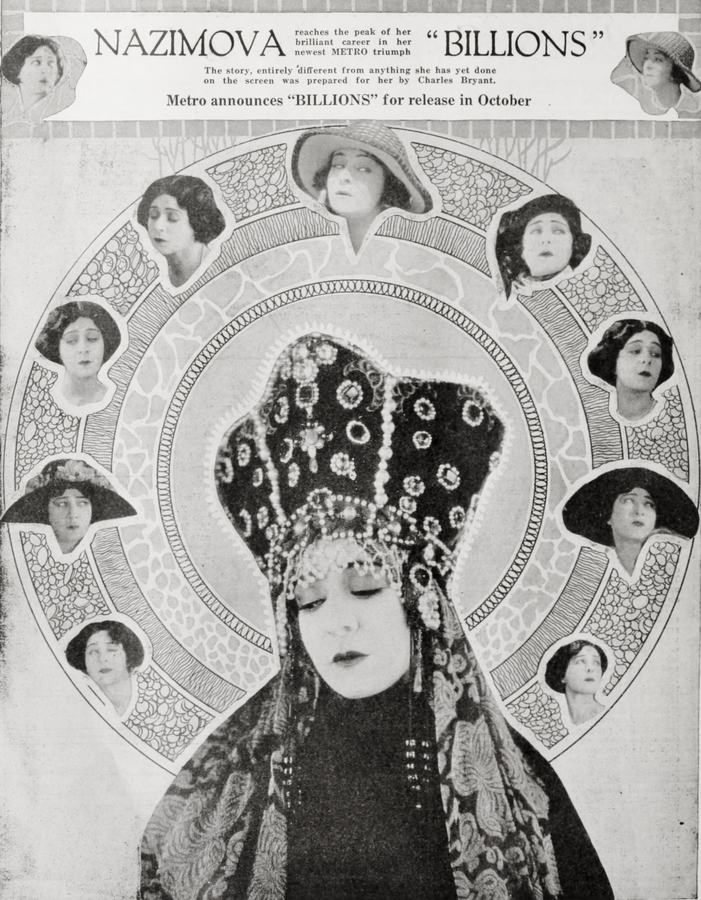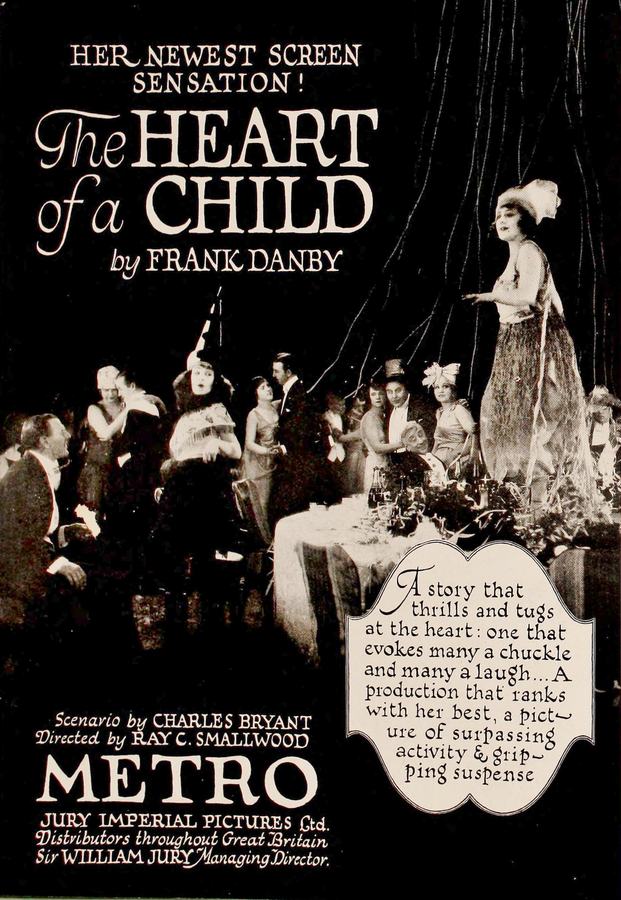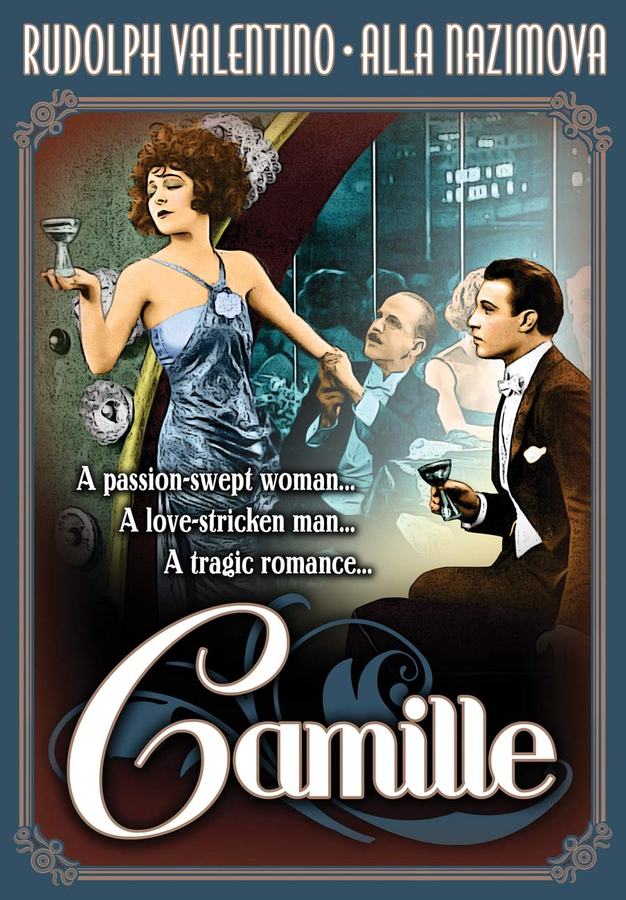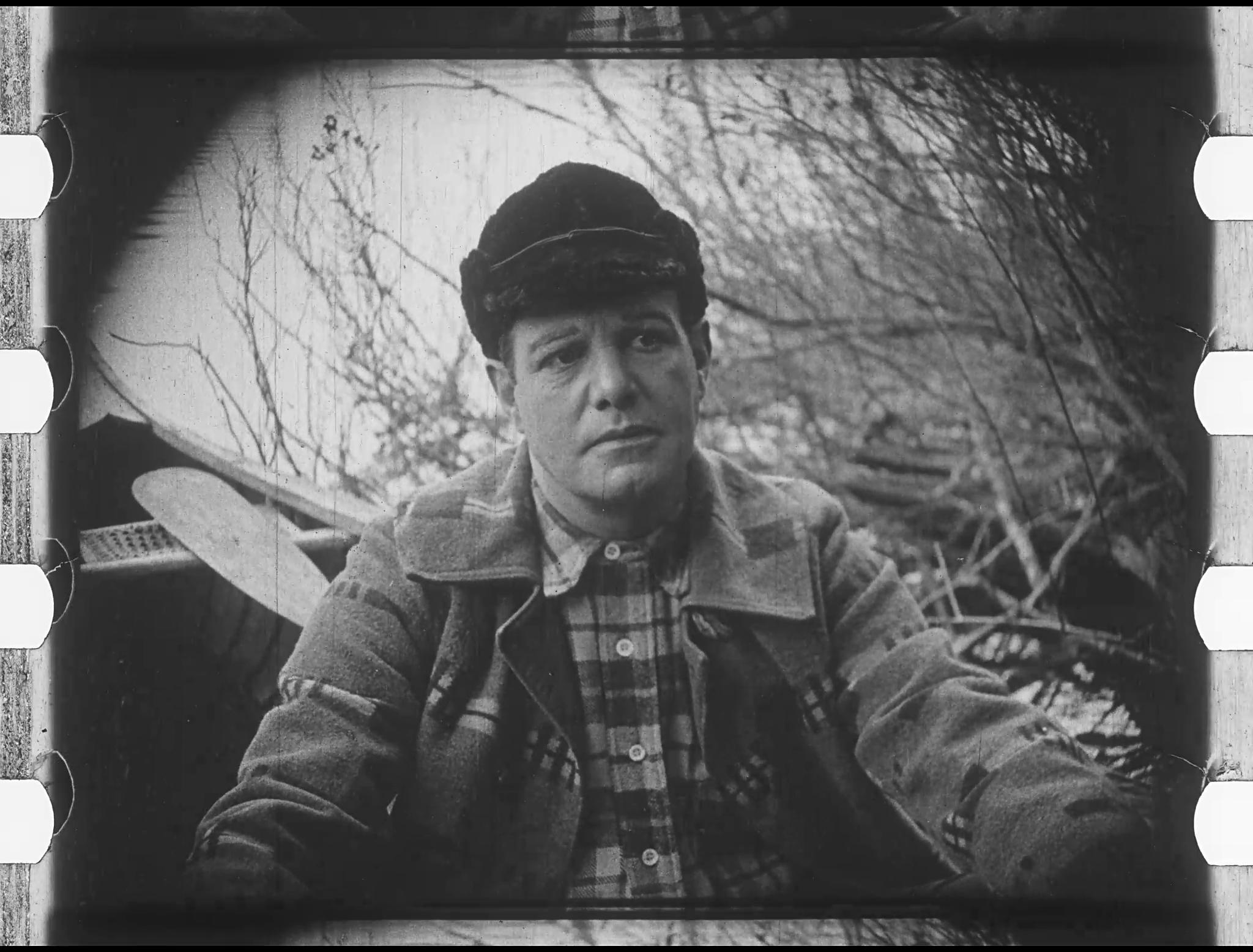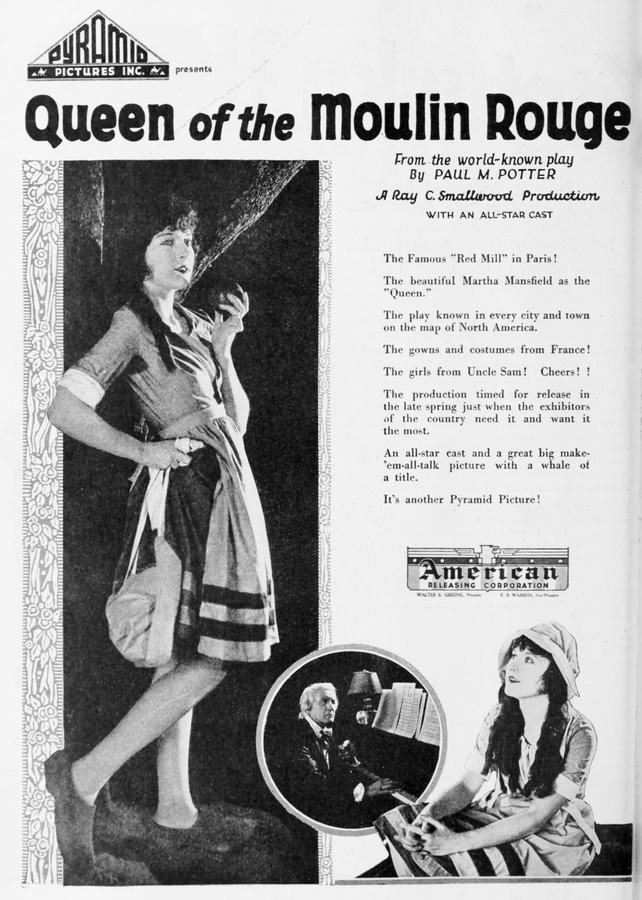
Louis Rousseau believes that the technically perfect music of his violin student, Tom Richards, lacks a soul because Tom has not suffered. Therefore, he convinces Rosalie Anjou, whom Tom saved from apaches and now loves, that she must dance at the notorious Moulin Rouge to earn the money Tom needs for his lessons.
Paris, 1922. The city still coughs up gunpowder memories of Verdun while electric bulbs flicker like adolescent stars. Into this twilight sashays Queen of the Moulin Rouge, a melodrama that refuses to behave like one. Instead of swooning on velvet cushions, the film rips the cushion open, scattering horsehair and arse...
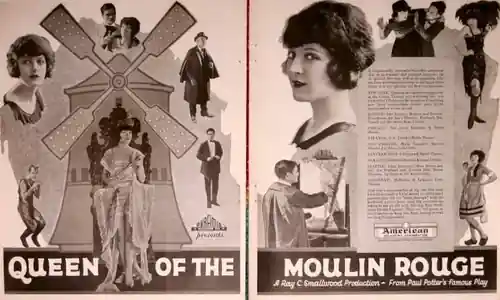
publicity
Comparing the cinematic DNA and archive impact of two defining moments in cult history.
Ray C. Smallwood
Alexander Butler
Community
Log in to comment.
" Paris, 1922. The city still coughs up gunpowder memories of Verdun while electric bulbs flicker like adolescent stars. Into this twilight sashays Queen of the Moulin Rouge, a melodrama that refuses to behave like one. Instead of swooning on velvet cushions, the film rips the cushion open, scattering horsehair and arsenic across the dance-floor. A Violin Without a Wound Tom Richards—ivory-collared, uncalloused—believes technique is a cathedral. Louis Rousseau knows it is merely the scaffolding;..."
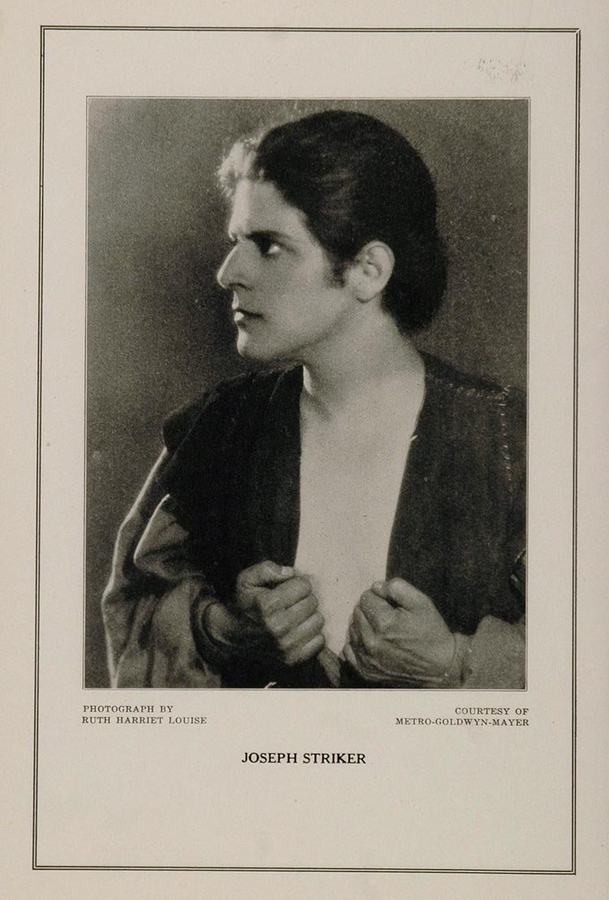
Joseph Striker
John T. Hall, Paul M. Potter, Peter Milne, Garfield Thompson
United States
Deep dive into the cult classic
Discover similar cinematic experiences
A Directorial Spotlight on Ray C. Smallwood