DbcultAccessing Vault...
Cult Review
Senior Film Conservator
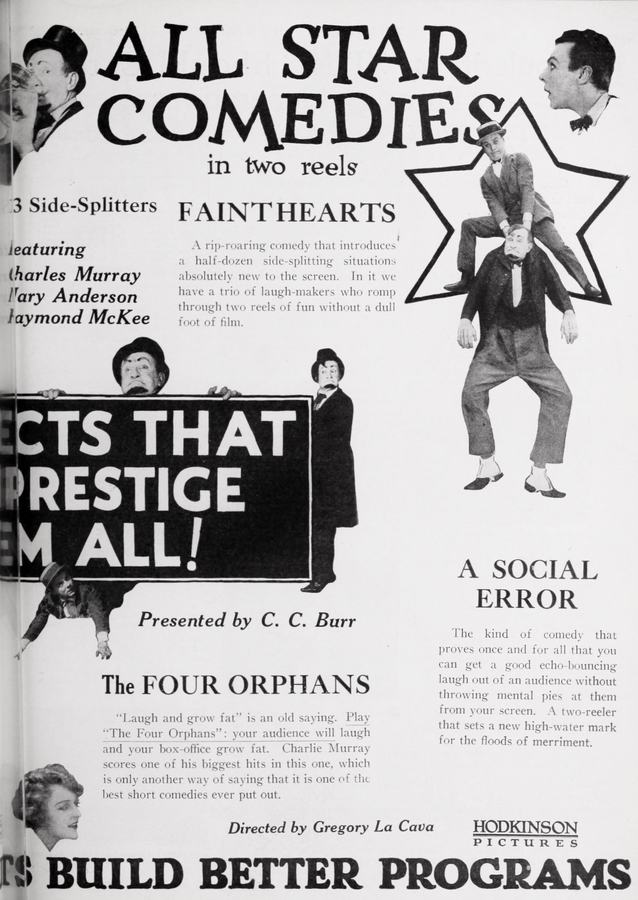
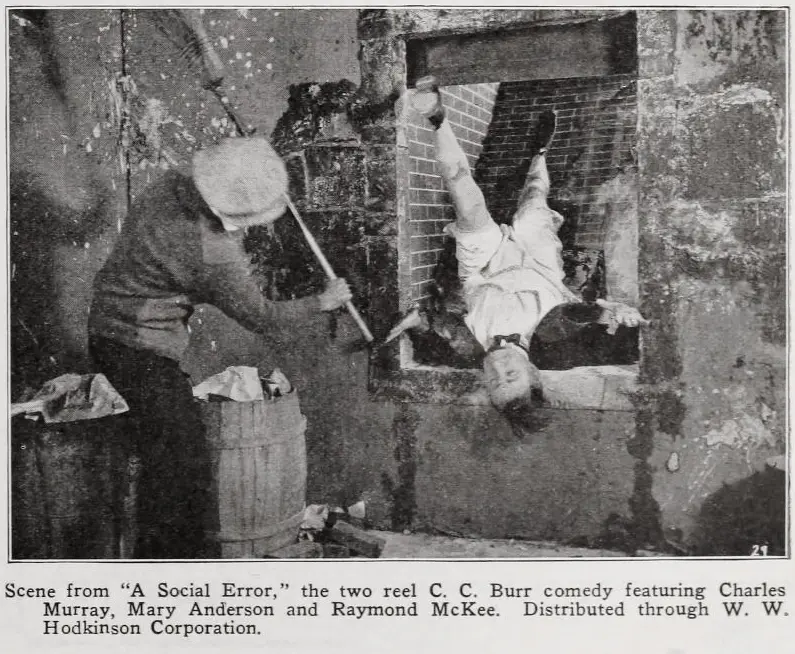
The film A Social Error presents a complex tapestry of social commentary, woven from the threads of class, deception, and the corrupting influence of wealth. At its core, the story revolves around an inquiring reporter, driven by a desire to unravel the mystery of a series of high-profile hotel robberies. As the investigation unfolds, the reporter discovers that the perpetrator is, in fact, a bogus baron, who has been living a life of extravagance, courtesy of his sweetheart's wealthy parents.
The A Social Error cast, comprising Matthew Betz, Flora Finch, Mary Anderson, Raymond McKee, and Charles Murray, delivers a nuanced portrayal of the characters, bringing depth and complexity to the narrative. The film's exploration of the human condition, particularly in the context of social class and relationships, is reminiscent of other cinematic works, such as The Greater Woman and The Sign on the Door.
The cinematography in A Social Error is noteworthy, with a keen attention to detail and a use of lighting that adds to the overall atmosphere of the film. The director's use of high contrast and low-key lighting creates a sense of tension and foreboding, underscoring the themes of deception and social commentary. In comparison to other films of the era, such as The Pest and The Breath of the Gods, A Social Error stands out for its thought-provoking narrative and strong performances.
One of the most striking aspects of A Social Error is its commentary on the social elite and the excesses of wealth. The film presents a scathing critique of the nouveau riche, highlighting their superficiality and lack of moral fiber. This theme is echoed in other films, such as The House of Glass and Wedding Blues, which also explore the complexities of social class and relationships. The A Social Error cast delivers a powerful performance, bringing to life the characters and their struggles with social status and personal identity.
In terms of its place within the broader cinematic landscape, A Social Error can be seen as part of a larger movement towards more sophisticated and nuanced storytelling. Films like Nattens datter III and Hey, Rube! also pushed the boundaries of cinematic narrative, experimenting with new techniques and themes. The influence of A Social Error can be seen in later films, such as The Co-respondent and With the Moonshine on the Wabash, which also explored the complexities of human relationships and social commentary.
The film's use of symbolism and metaphor adds depth and complexity to the narrative, inviting the viewer to reflect on the themes and motifs presented. The A Social Error cast delivers a compelling performance, bringing to life the characters and their struggles with identity, class, and social status. In comparison to other films of the era, such as The Dummy and Den hvide rytterske, A Social Error stands out for its thought-provoking narrative and strong performances.
The cinematography in A Social Error is also noteworthy, with a keen attention to detail and a use of lighting that adds to the overall atmosphere of the film. The director's use of high contrast and low-key lighting creates a sense of tension and foreboding, underscoring the themes of deception and social commentary. In comparison to other films of the era, such as The Goat and The Wishing Ring: An Idyll of Old England, A Social Error stands out for its thought-provoking narrative and strong performances.
Ultimately, A Social Error is a film that rewards close attention and reflection. Its complex themes and motifs, combined with the strong performances of the A Social Error cast, make it a compelling and thought-provoking work. As a commentary on the social elite and the excesses of wealth, A Social Error is a powerful and timely film, one that invites the viewer to reflect on the complexities of human relationships and social status. In comparison to other films, such as Susie Snowflake, A Social Error stands out for its nuanced portrayal of the human condition, and its thought-provoking exploration of the social commentary and class themes.
IMDb 6.2
1929
Community
Log in to comment.