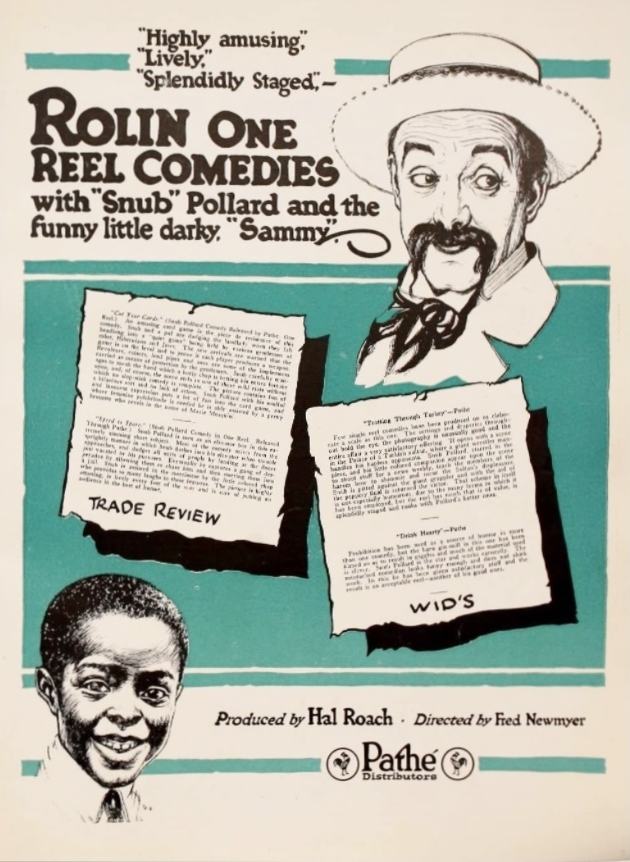
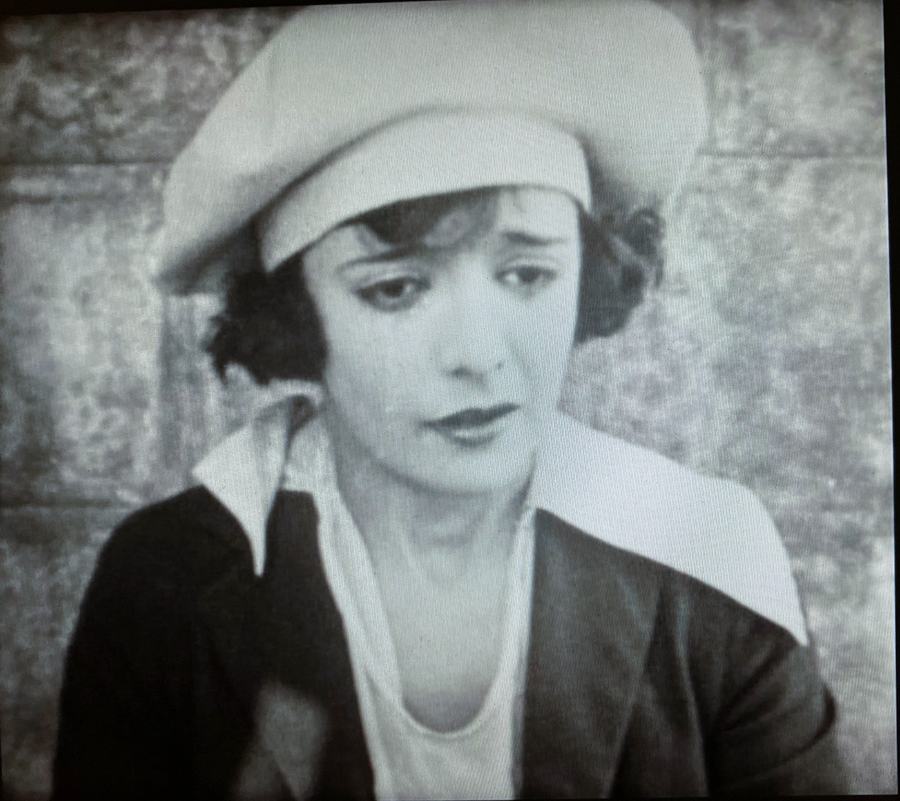
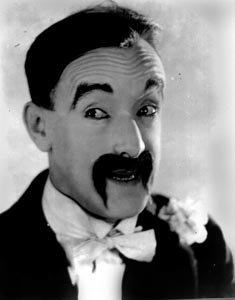
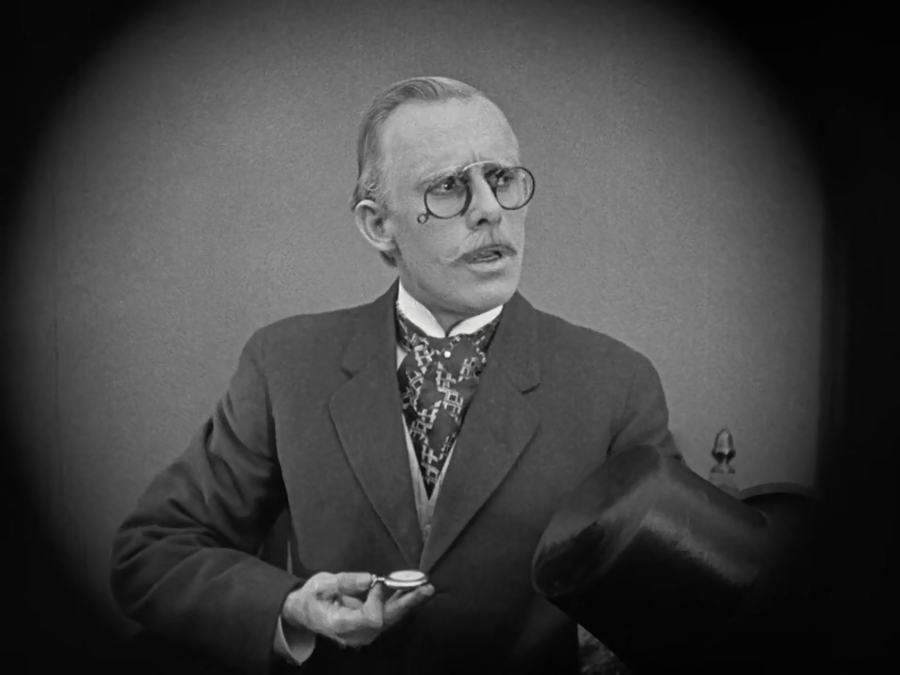
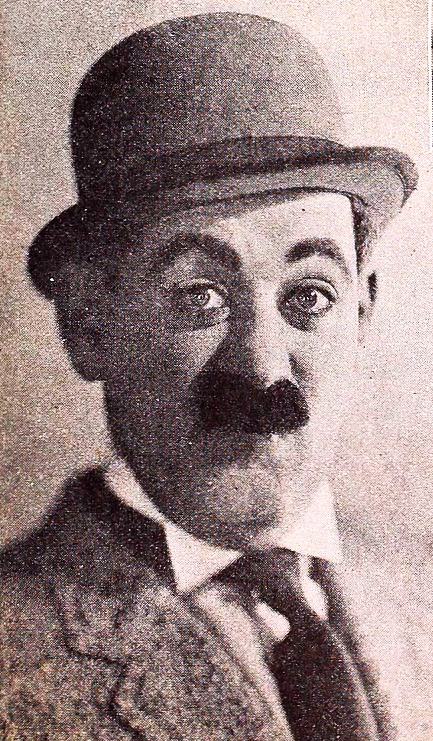
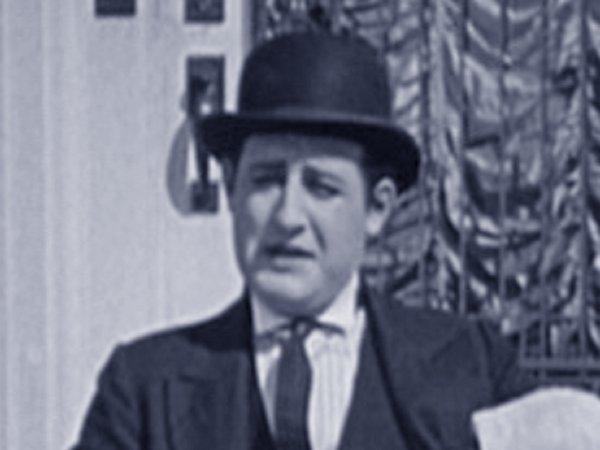
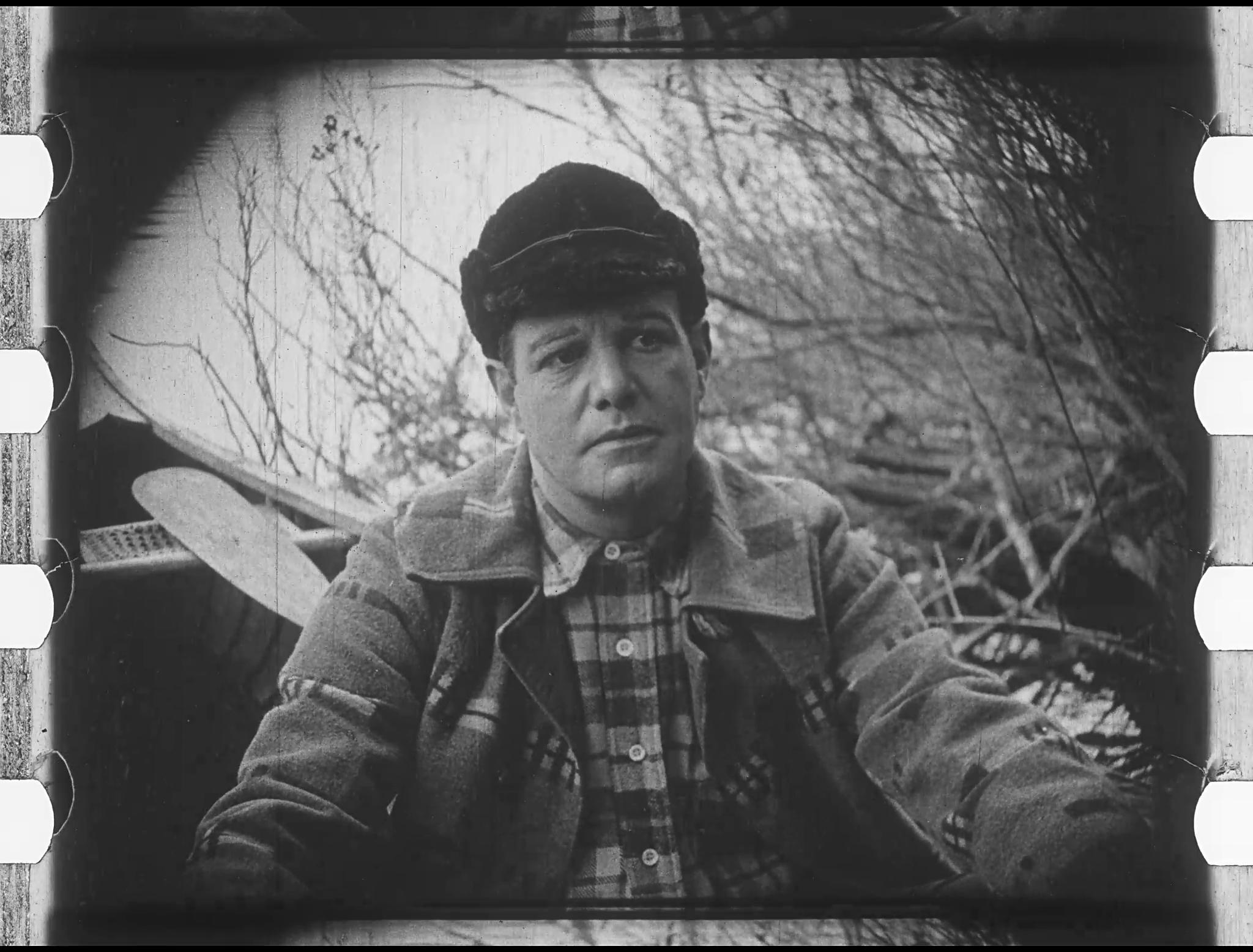
Snub and his wife give up their bungalow and allow another couple to move in. Then it develops that they can't find another home, and must live in an improvised tent.
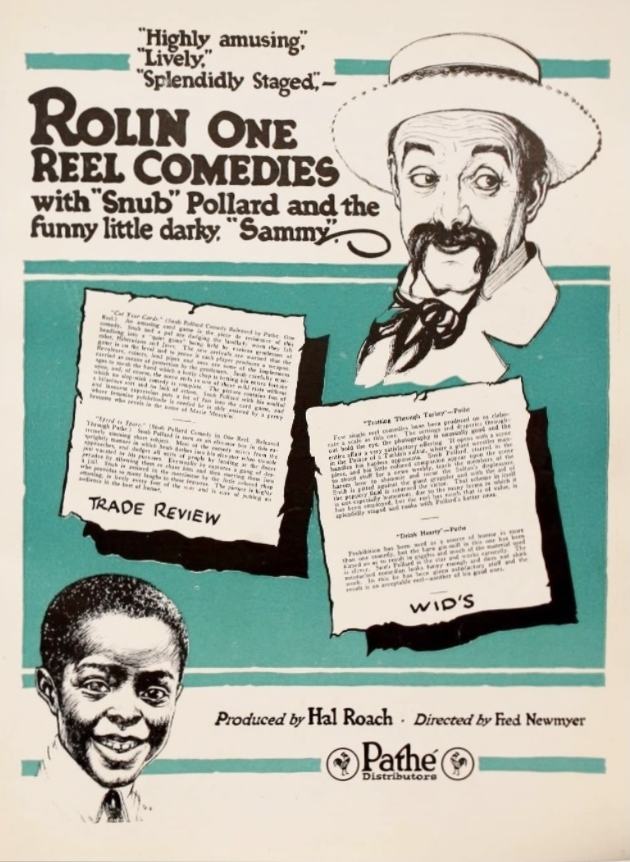
Snub Pollard’s blink-and-you-miss-it one-reeler, shot in the blistering glare of 1923 Los Angeles, opens with the most deceitful of promises: a pastel title card that reads ‘A Home of Their Own.’ The letters wobble like aspic, and already we sense the cosmic pratfall ahead. What follows is a domino-row of dispossess...

still_frame

still_frame
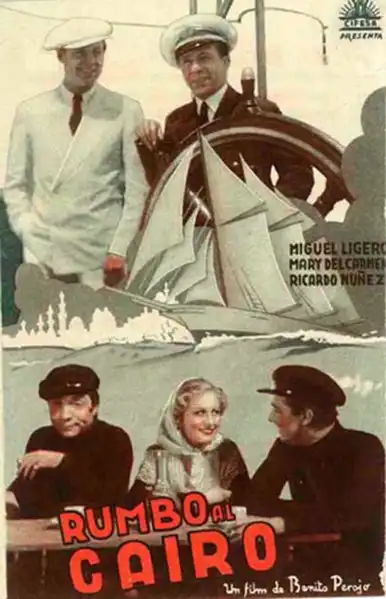
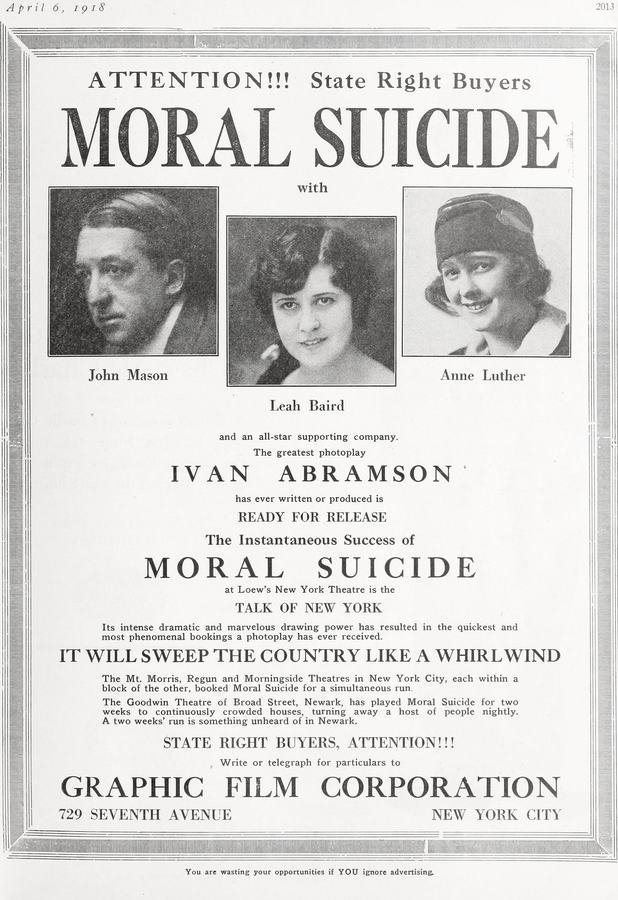
Comparing the cinematic DNA and archive impact of two defining moments in cult history.
Fred C. Newmeyer
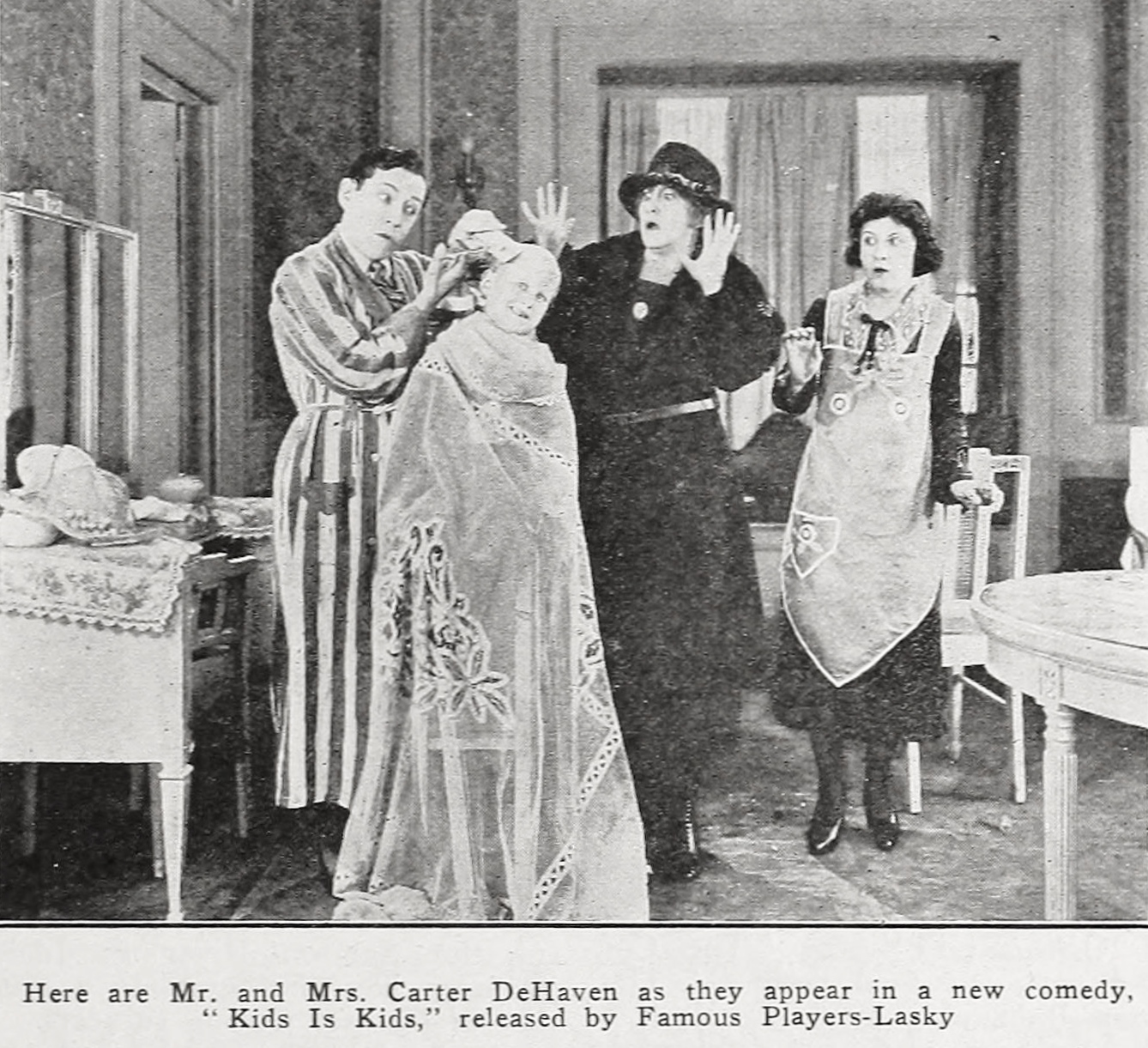
Charley Chase
Community
Log in to comment.
" Snub Pollard’s blink-and-you-miss-it one-reeler, shot in the blistering glare of 1923 Los Angeles, opens with the most deceitful of promises: a pastel title card that reads ‘A Home of Their Own.’ The letters wobble like aspic, and already we sense the cosmic pratfall ahead. What follows is a domino-row of dispossession. The bungalow—white pickets, twin hydrangeas, a cat that exits frame with aristocratic disdain—slips through the couple’s fingers faster than a bar of wet soap. Pollard, rubber..."
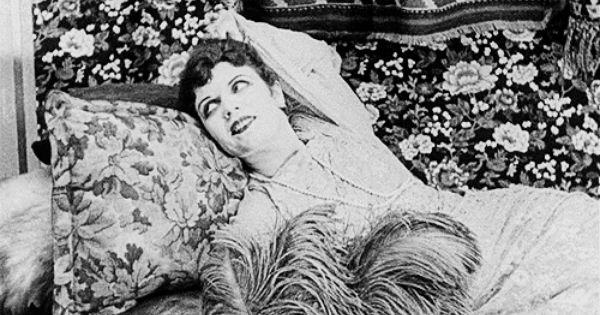
Marie Mosquini
United States

Deep dive into the cult classic
Discover similar cinematic experiences
A Directorial Spotlight on Fred C. Newmeyer