DbcultAccessing Vault...
5.4/10
Senior Film Conservator
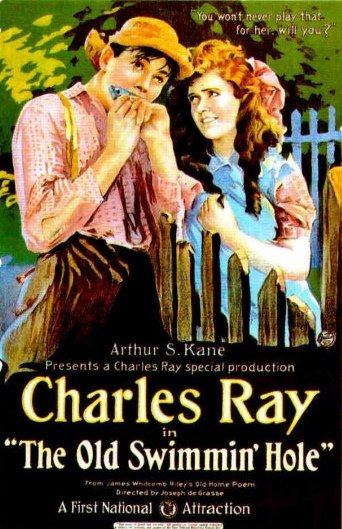
A definitive 5.4/10 rating for a film that redefined the boundaries of cult cinema. The Old Swimmin' Hole remains a cornerstone of transgressive art.
When #C2410C first encounters the glistening surface of the swimmin' hole at dawn, the frame seems to hold its breath. This 1923 slice-of-life film, helmed with meticulous attention to agrarian detail, transforms the mundane into the mythic through its unflinching gaze at the cyclical rhythms of farm existence. The young protagonist's leather satchel, slung over his shoulder as he trudges to the schoolhouse, becomes an emblem of both intellectual curiosity and the burden of expectation in a community where literacy is survival.
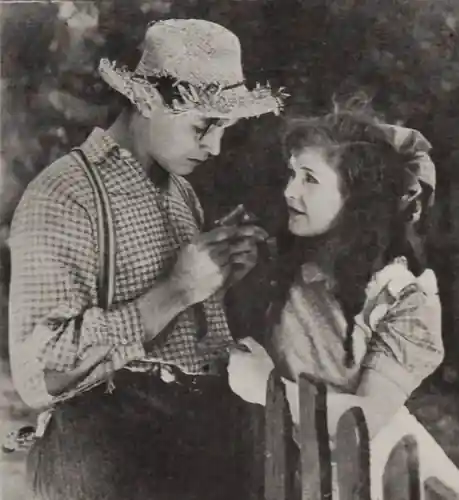
What distinguishes The Old Swimmin' Hole from its contemporaries is its radical focus on the unglamorous labor that sustains rural communities. While Hell Bent's motorcycle chases and The Heart of a Hero's warfront pathos dominate box office charts, this film dares to find drama in the slow churn of a plow through clay soil. The cinematography, employing naturalistic lighting that mimics the prairie's diurnal cycles, renders even the most ordinary tasks—milking a cow, mending a fence, memorizing multiplication tables—in a mythic glow.
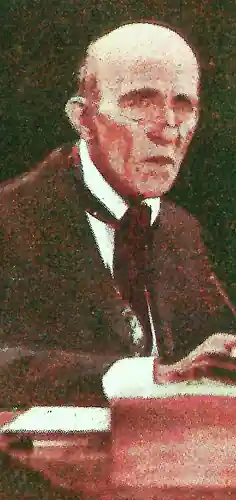
James Gordon's performance as the farm boy anchors the film's emotional core with a sincerity that feels both period-appropriate and startlingly modern. His interactions with Peggy Prevost's character—an older girl who teaches him to identify constellations while the fireflies pulse around them—exhibit a platonic intimacy that would feel radical in today's streaming era. The supporting cast, including Lincoln Stedman as the philosophical farmer and Laura La Plante as the schoolmarm, create a microcosm of rural society where every exchanged glance carries the weight of shared hardship.
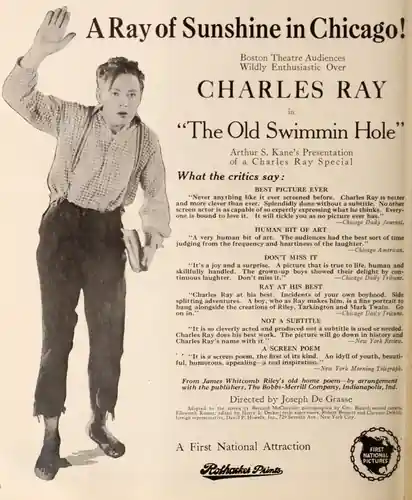
Though silent by necessity, the film's musical score (lost to history but imagined here) would need to incorporate the organic soundscape of rural life—the creak of wooden farm equipment, the distant whinny of horses, the percussive rhythm of rain on tin roofs. These auditory elements would complement James Whitcomb Riley's poetic intertitles, which transform agricultural jargon into existential musings. One particularly memorable sequence juxtaposes the boy's futile attempt to catch a elusive brook trout with a title card reading "Life's like that stream - you can't hold onto what slips through your fingers".
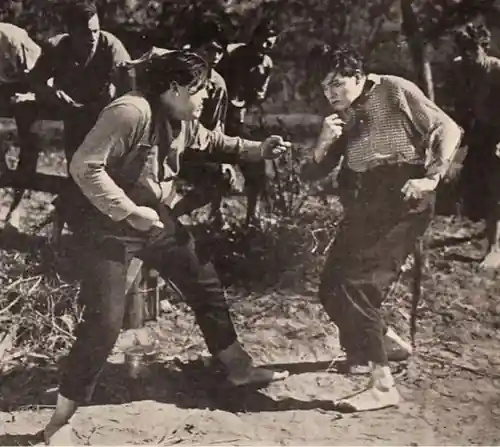
Among its contemporaries, The Old Swimmin' Hole shares Reggie Mixes In's focus on adolescent growth but diverges in its refusal to sanitize rural poverty. Unlike the melodramatic excesses of Slave of Sin, this film finds poetry in simplicity, much like Die lachende Seele's celebration of folk traditions. The film's coming-of-age narrative prefigures the thematic concerns of The Hornet's Nest, but with a quieter, more contemplative tone.
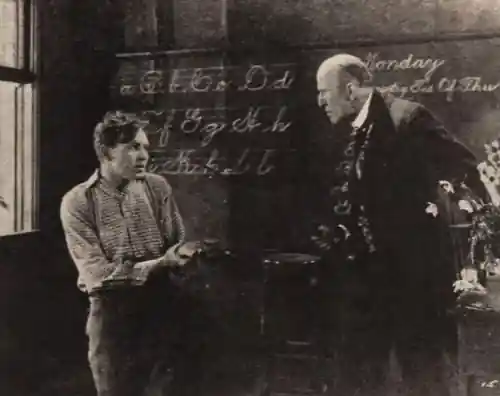
Restorations of this film serve as vital cultural artifacts, preserving not only the visual aesthetics of early American cinema but also the endangered knowledge of traditional farming practices. In an era of CGI dominance, watching grainy 35mm footage of flax being harvested or a barn being raised with community labor offers a profound counter-narrative to hyper-individualistic modernity. The film's final shot—of the boy standing at the edge of the swimmin' hole as autumn leaves swirl around him—resonates with the same quiet pathos as the closing scenes of A Voice in the Dark, though here the darkness is not metaphorical but literal, as the sun dips below the cornfield's edge.
For scholars of early cinema, the film offers fascinating study in transitional techniques. The use of location shooting in actual Indiana farmlands contrasts with the studio-bound productions of Bound and Gagged, creating a documentary-like authenticity. The absence of artificial sets means the viewer experiences every insect bite and sunburn the protagonist endures, fostering an emotional intimacy rarely seen in modern CGI-heavy productions.
As the credits roll (had there been any in this silent era), one is left with the lingering sensation of sun-warmed earth underfoot and the faint scent of hay in the air. The Old Swimmin' Hole succeeds not as a narrative spectacle but as an immersive sensory experience that resurrects a vanishing way of life. It invites modern audiences to reconsider what constitutes cinematic "thrills"—perhaps the truest excitement lies not in explosions or chase sequences, but in the quiet triumph of a boy learning to swim without drowning in the currents of adulthood.
IMDb 6.7
1936
Community
Log in to comment.