DbcultAccessing Vault...
5.5/10
Senior Film Conservator
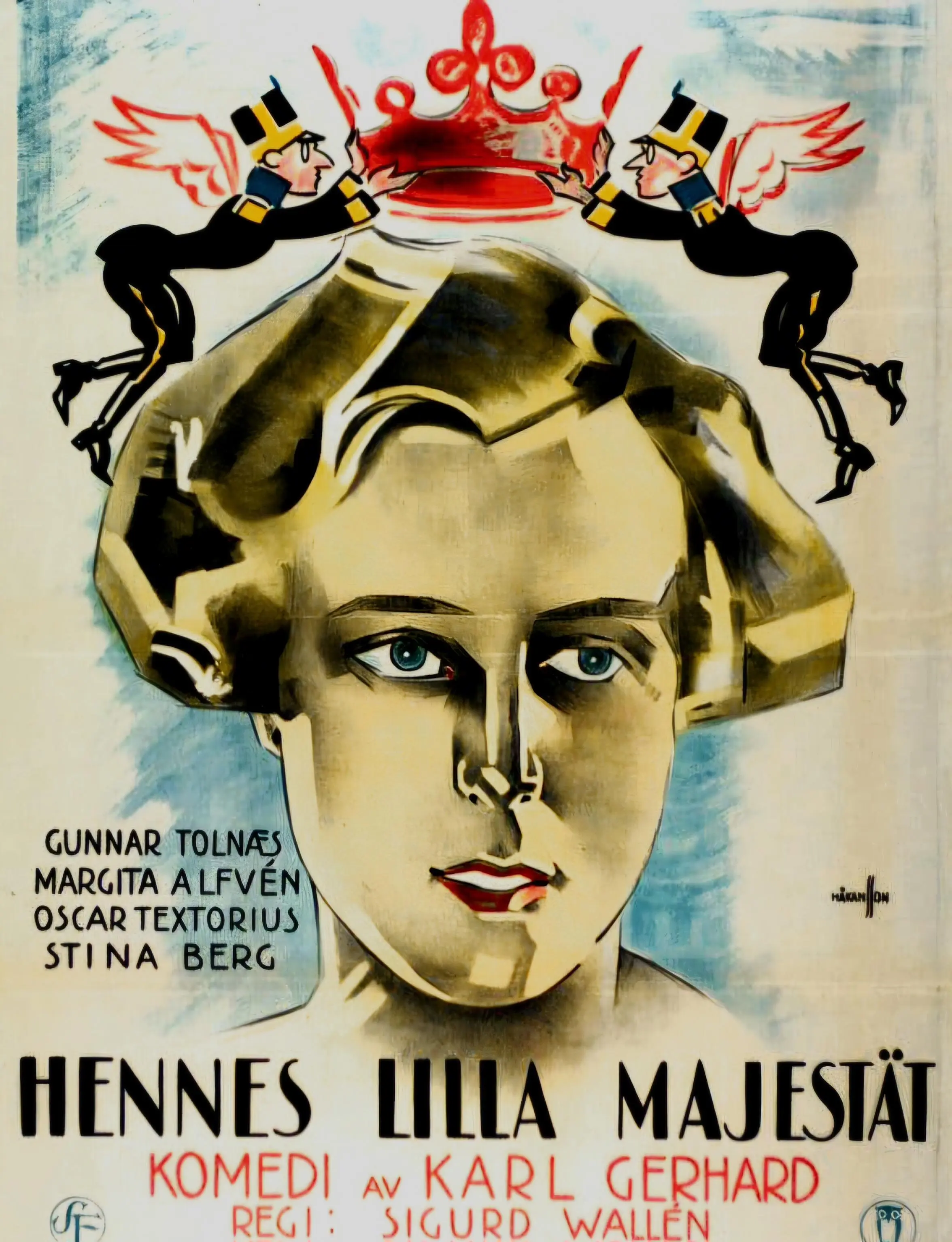
A definitive 5.5/10 rating for a film that redefined the boundaries of cult cinema. Hennes lilla majestät remains a cornerstone of transgressive art.
Is Hennes lilla majestät worth watching today? Short answer: yes, but with a nuanced understanding of its historical context and the limitations of its era. This 1925 Swedish silent drama is a fascinating, if sometimes frustrating, window into early 20th-century societal norms and the nascent stirrings of female agency, making it a compelling watch for specific audiences.
This film is best suited for ardent silent film enthusiasts, film historians, and those with a keen interest in early feminist themes or Swedish cinematic heritage. It is decidedly not for casual viewers accustomed to modern pacing, dialogue-driven narratives, or those who find the expressive acting conventions of the silent era difficult to engage with.
At its heart, Hennes lilla majestät is a story of conflict: the individual versus societal expectation, youthful exuberance against patriarchal authority. Catherine, portrayed by Margita Alfvén, embodies a spirit yearning for more than the constricted life her strict father has planned. Her impromptu escape to join a traveling theater company isn't merely an act of defiance; it's a desperate reach for self-determination, a desire to sculpt her own identity free from the suffocating mold of familial obligation.
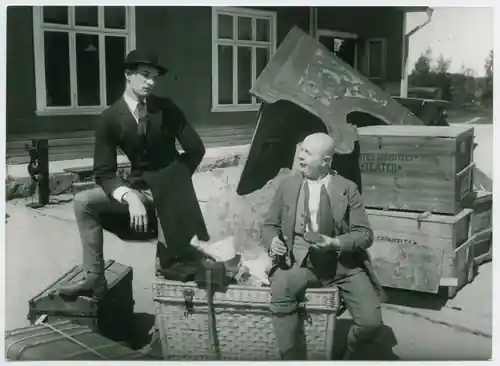
The film presents this initial rebellion with a certain romanticism, painting the theater troupe as a haven of freedom and artistic expression. This brief interlude, however, is precisely that — an interlude. The father’s swift retrieval of Catherine, followed by her banishment to a 'priest farm,' serves as a brutal reassertion of control. This isn't just a punishment; it's a symbolic attempt to purge her of her perceived transgressions, to re-educate her into obedience. The farm itself becomes a crucible, testing Catherine's resolve and forcing her to confront the very nature of her own will.
Thematic resonance here is surprisingly potent, even a century later. While the specific context is dated, the struggle of a young person to define themselves against the expectations of their elders, or society at large, remains timeless. The film, perhaps inadvertently, highlights the often-absurd lengths to which patriarchal structures would go to enforce conformity, transforming a simple desire for independence into a moral failing.
The performances in Hennes lilla majestät are, as expected for the era, highly theatrical and expressive. Margita Alfvén as Catherine carries the emotional weight of the film. Her wide, pleading eyes and dramatic gestures effectively convey her character’s youthful angst and burgeoning defiance. There's a raw vulnerability in her portrayal that transcends the silent film conventions, allowing the audience to truly empathize with her predicament.
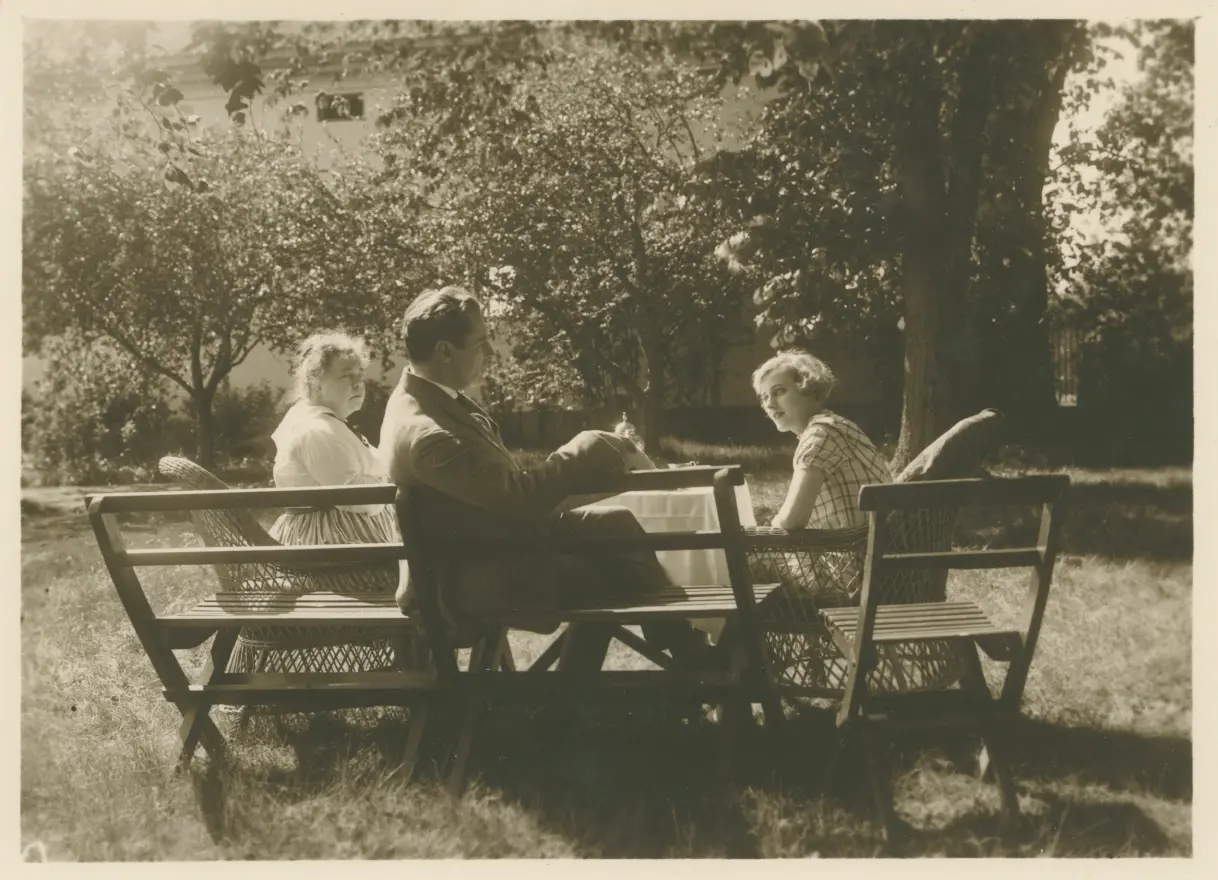
Alfvén's transition from the carefree, almost giddy excitement of the theater life to the somber resignation and simmering resentment at the priest farm is particularly well-handled. One specific scene where she silently gazes out of a window at the farm, her shoulders slumped, perfectly encapsulates her crushing sense of confinement without a single intertitle needed. It’s a moment of quiet power amidst the broader melodrama.
The supporting cast, including Carl-Gunnar Wingård as the stern father and Julia Cæsar in what is likely a role of authority at the farm, deliver performances typical of the period. Wingård’s father is less a nuanced character and more a personification of unyielding patriarchal control, his rigid posture and severe expressions leaving no doubt as to his authority. While not subtle by modern standards, these portrayals serve the narrative's clear-cut moral framework.
The direction, likely overseen by Ragnar Arvedson (who is credited in the cast and often directed during this period), is competent, if not groundbreaking. The film utilizes standard techniques of the 1920s: static camera positions, clear shot-reverse-shot sequences during conversations, and a reliance on intertitles to convey dialogue and exposition. The visual storytelling, however, often manages to convey mood and emotion effectively.
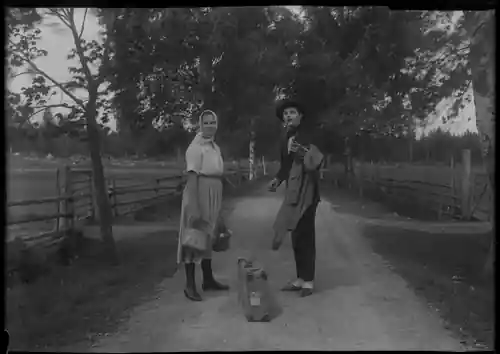
Cinematographically, the film benefits from its stark contrasts. The lively, almost chaotic scenes with the traveling theater troupe are shot with a sense of movement and energy, employing wider frames to capture the ensemble. In contrast, the scenes at the priest farm are often tighter, more confined, using close-ups on Catherine's face or shots that emphasize the oppressive architecture, such as long hallways or small, barred windows. This visual distinction effectively reinforces the thematic shift from freedom to confinement.
There's a subtle beauty in some of the outdoor shots, particularly those depicting the Swedish countryside surrounding the priest farm. While functional rather than overtly artistic, these moments offer a sense of isolation and the natural world's indifference to human drama. The use of natural light, a staple of early cinema, lends an authentic, almost documentary-like quality to certain sequences, grounding the melodrama in a tangible reality.
Pacing is perhaps the most significant hurdle for modern viewers approaching Hennes lilla majestät. Like many silent films, it operates at a rhythm that feels deliberately slow by today's standards. Scenes are often held longer than contemporary audiences might expect, allowing for the full expression of emotions through gesture and facial nuance. This deliberate pace can test patience, particularly during sequences that rely heavily on visual reaction shots or prolonged periods of contemplation from the characters.
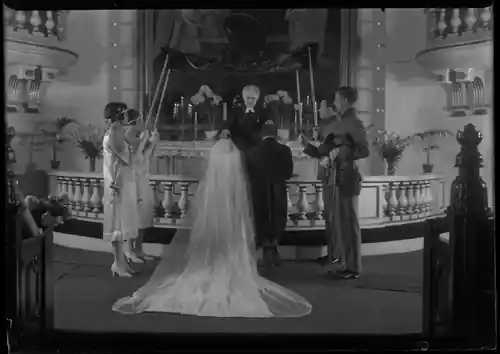
However, this slower pace also allows for a deeper immersion into the film's world, provided the viewer adjusts their expectations. It forces a different kind of engagement, one that rewards careful observation of the actors' craft and the subtle shifts in atmosphere. The tone oscillates between lighthearted adventure during Catherine's brief escape and a more somber, morally didactic atmosphere once she is confined. The film generally maintains a dramatic, often melodramatic, tone, which was characteristic of the era and serves to heighten the emotional stakes of Catherine's rebellion and subsequent 'rehabilitation.'
Yes, Hennes lilla majestät is absolutely worth watching for those with a specific interest in silent cinema or the socio-cultural narratives of early 20th-century Sweden. It offers a valuable glimpse into the filmmaking techniques and storytelling conventions of the period.
For a casual viewer, however, it might present a challenge. The lack of spoken dialogue, the reliance on intertitles, and the distinct pacing require a certain level of commitment. It’s not a film to passively consume; it demands engagement and a willingness to appreciate its historical context.
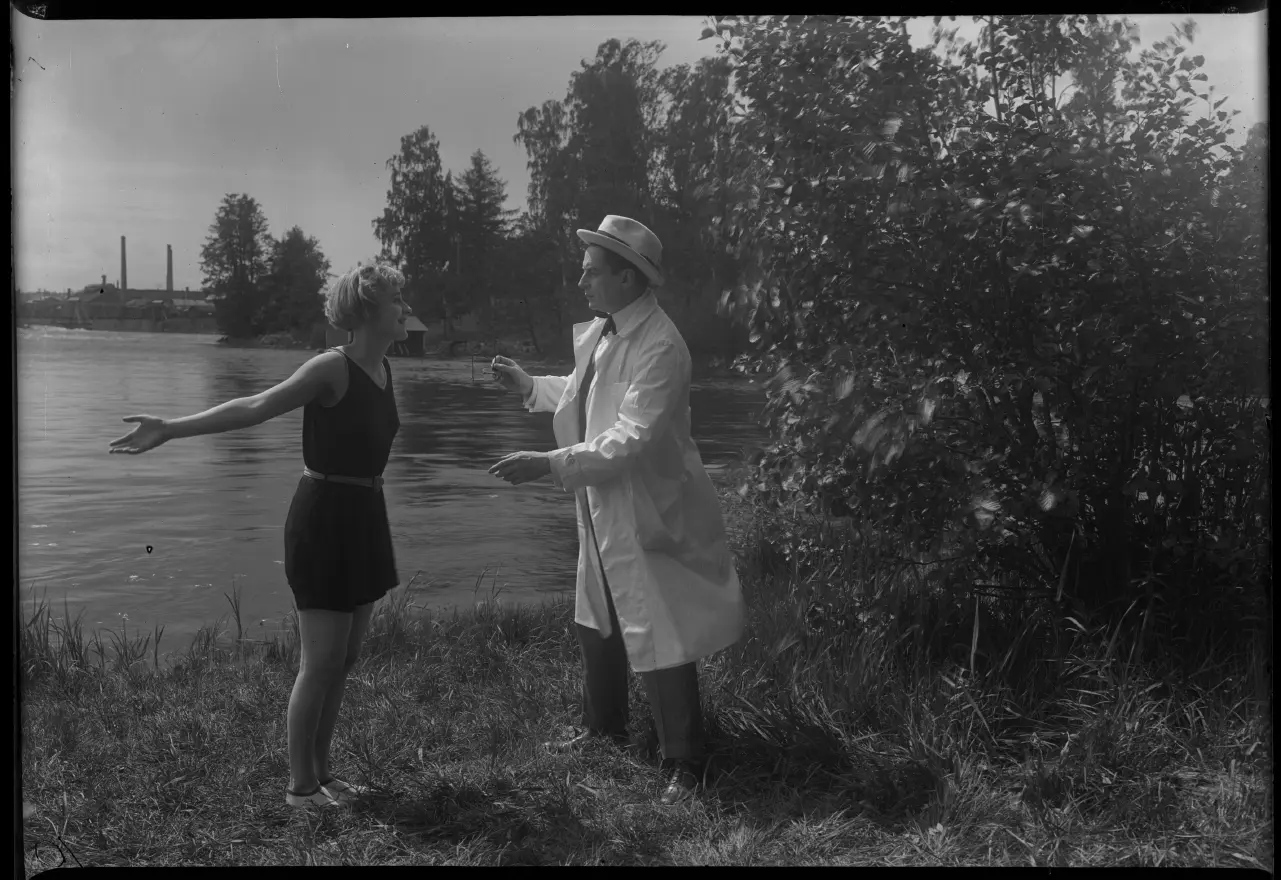
Catherine’s journey, while rooted in a bygone era, touches upon universal themes of independence and control. The film serves as a fascinating artifact, showcasing how early cinema grappled with complex social issues through visual drama. It’s a relic. But a compelling one.
This film works because it provides a clear, if heavy-handed, narrative of youthful rebellion against oppressive authority, resonating with timeless themes despite its age. It also offers a valuable historical document of Swedish silent film production and societal attitudes towards women's roles.
This film fails because its pacing can be excruciatingly slow for modern sensibilities, and its characterizations, particularly of the father, lean heavily into archetype rather than nuanced development, which can feel simplistic. The resolution, while unspoilable here, might also feel like a capitulation rather than a triumph of spirit.
You should watch it if you are a film student, a historian, or someone who cherishes the unique artistry of the silent film era and enjoys dissecting how societal pressures were portrayed on screen before the advent of sound. It’s an acquired taste, but a rewarding one for the right palate.
Hennes lilla majestät is more than just a historical curiosity; it's a testament to the enduring power of narrative, even when stripped of spoken word. While its silent film conventions and methodical pacing require a specific kind of engagement, the film’s central conflict – a young woman's fight against paternalistic control – remains remarkably resonant. It’s a compelling, if sometimes challenging, watch that rewards those willing to step back in time and appreciate the artistry of an era long past. It’s not a film that will convert skeptics of silent cinema, but for those already inclined, it offers a poignant and historically rich experience, proving that even a ‘little majesty’ can defy formidable forces. For a broader context of similar struggles in early cinema, one might consider exploring films like The Sorrows of Love or even the more comedic Zakroyshchik iz Torzhka for a different take on societal pressures.
IMDb —
1917
Community
Log in to comment.