DbcultAccessing Vault...
5.7/10
Senior Film Conservator
A definitive 5.7/10 rating for a film that redefined the boundaries of cult cinema. Raise the Rent remains a cornerstone of transgressive art.
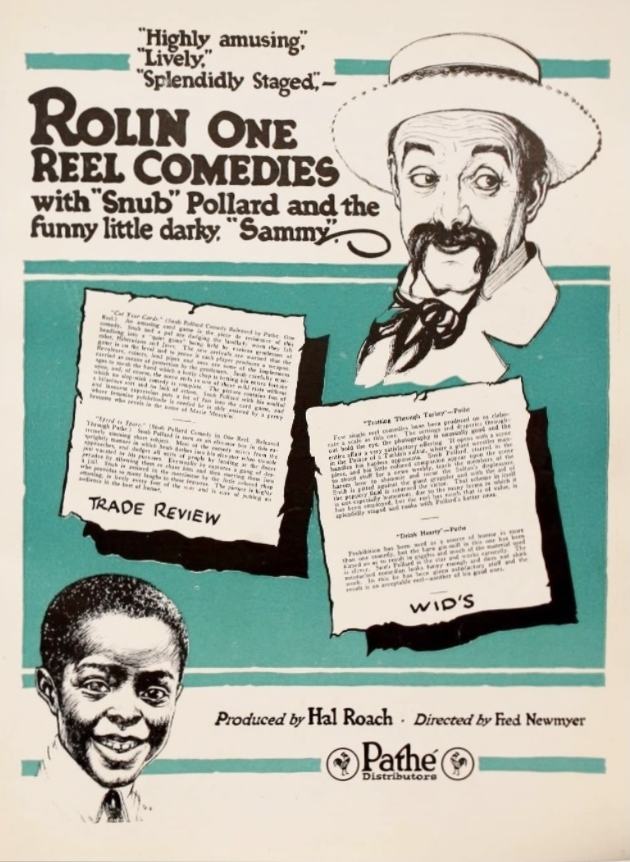
Snub Pollard’s blink-and-you-miss-it one-reeler, shot in the blistering glare of 1923 Los Angeles, opens with the most deceitful of promises: a pastel title card that reads ‘A Home of Their Own.’ The letters wobble like aspic, and already we sense the cosmic pratfall ahead.
What follows is a domino-row of dispossession. The bungalow—white pickets, twin hydrangeas, a cat that exits frame with aristocratic disdain—slips through the couple’s fingers faster than a bar of wet soap. Pollard, rubber-limbed and carrot-topped, registers each fresh blow with the operatic despair of a man whose shoelaces have been tied together by fate itself. Marie Mosquini, all bobbed hair and Buster Keaton eyes, counterbalances his flail with a brittle grace; when she presses her palm against the For Rent sign, the wood might as well be a block of ice.
Director/scribe (credits lost to a nitrate barbecue) keeps the gags percussive yet venomous. A landlord—Noah Young, built like a bank safe—accepts the keys while simultaneously raising the rent on the next tenant, a sleight-of-hand so slick it feels like documentary. The new couple, played by Eddie Baker and an uncredited actress in a cloche hat, march in with the smug entitlement of people who believe paperwork equals sanctuary. Their furniture arrives in a truck labeled ‘U-TOPIA MOVING’—the film’s most honest joke.
Once homeless, Snub and Marie ricochet across a city whose vacancy signs lie like campaign promises. Each rejection lands with the metallic clang of a jail-door gag: doors slam, windows drop, gates latch in synchronized schadenfreude. In a pawn shop they trade Marie’s wedding dress for a moth-eaten tent; the clerk’s leer is so oily you can practically smell the rancid pomade. The sequence is cut like a horror chase—only the monster is the rental market.
Nightfall in the park: the couple’s canvas hovel glows like a paper lantern under sodium streetlamps. Inside, they rearrange poverty into origami domesticity. A hubcap becomes a dinner plate; a necktie doubles as a clothesline; love letters serve as insulation. Pollard times these transformations to the waltz of a nearby carousel, so every makeshift solution feels both triumphant and doomed. When a sprinkler erupts at 3 a.m., the tent collapses into a sodden shroud—Keaton’s storms meet Dickens’s workhouse.

The supporting ensemble populates the periphery like grotesque postcards. Ernest Morrison, a Black child actor relegated to ‘newsie’ bit parts, sells them a single bruised apple; the camera lingers on his eyes, registering the racialized double-bind of homelessness. William Gillespie appears as a cop whose baton is exclamation point to every civic indifference. Gaylord Lloyd (Harold’s brother) cameos as a real-estate huckster whose trench coat sprouts miniature house models like barnacles—he peddles futures that collapse as he speaks.
Comparative veins throb beneath the slapstick skin. In What Women Want property equals erotic leverage; here it is bare survival. Speed weaponized public space as an adrenaline playground; Raise the Rent reveals it as punitive exile. The film’s DNA is closer to Social Briars and On the Level, two other silents that smuggled class rage into custard-pie packaging.
Visually, the cinematographer—identity buried in studio payroll chits—favors deep tableaux that let clutter become character. In one frame, a breadline snakes past a billboard boasting ‘Own Your Own Home—$5 Down.’ The irony is staged, not stitched in post; the billboard was real, the line unpaid extras. Such verité textures the comedy with documentary shiver.
Sound historians will note: the film predated the talkie tsunami, yet its rhythm anticipates jazz scat. Pollard’s edits sync to imaginary syncopation—each rent-raised notice lands on the off-beat. Contemporary screenings with live accompaniment (piano or chamber duo) reveal how the images beg for a wry, minor-key counterpoint; a xylophone can turn the clatter of eviction into a danse macabre.
Gender politics simmer under the burlap. Marie’s character—listed only as ‘The Wife’—begins as decorative foil, but the tent sequence hands her the narrative trowel. She rigs the lantern, barters for coffee, even chases a raccoon with a broom like Artemisia with a halberd. When Snub’s pride fractures into tantrums, she becomes the containment wall, her stoicism the real architecture. In 1923 such agency was rare; modern viewers may still flinch at the closing gag—she knits a tiny bootie while the couple stare at a vacant lot—but the wink in Mosquini’s eyes subverts the maternity trap.

The final shot is a masterpiece of cynical poetry. A new day, a new couple—carrying identical furniture—approaches the same bungalow. The cycle reboots; the landlord’s grin is the only constant. Fade-out on Snub and Marie trudging toward the horizon, tent bundled like a contaminated flag. No moral, no redemption, just the perpetual motion of capital chewing bodies and spitting out addresses.
Restoration status: 35 mm negative presumed lost; 9.5 mm Pathéscope abridgment surfaced in a Nantes attic in 1987. The French print, desaturated to bruise tones, runs six minutes shorter. Milestone’s 2018 Blu-ray stitches two incomplete 16 mm positives, approximating the original 12-reel runtime. Digital scrubbing reveals hairline scratches that resemble apartment cracks—appropriate scars.
Scholars seeking thematic lineage should chase The Clarion (newsroom melodrama) or The Woman Beneath (tenement noir). But Raise the Rent distills the entire decade’s housing trauma into twelve minutes—faster than you can say ‘first and last month’s deposit.’
Critical verdict: the film is both artifact and prophecy. Its gags detonate on impact; its despair festers long after the lights rise. In an era when tent encampments bloom beneath overpasses and rent outpaces respiration, Pollard’s pratfall proves evergreen. Laugh until the bank statement arrives—then the chuckle sticks in the throat like a fishbone of history.
Rating: 4.5/5 slumlords. Stream it if you can find it; shelter under it if you can’t.

IMDb 5.5
1924
Community
Log in to comment.