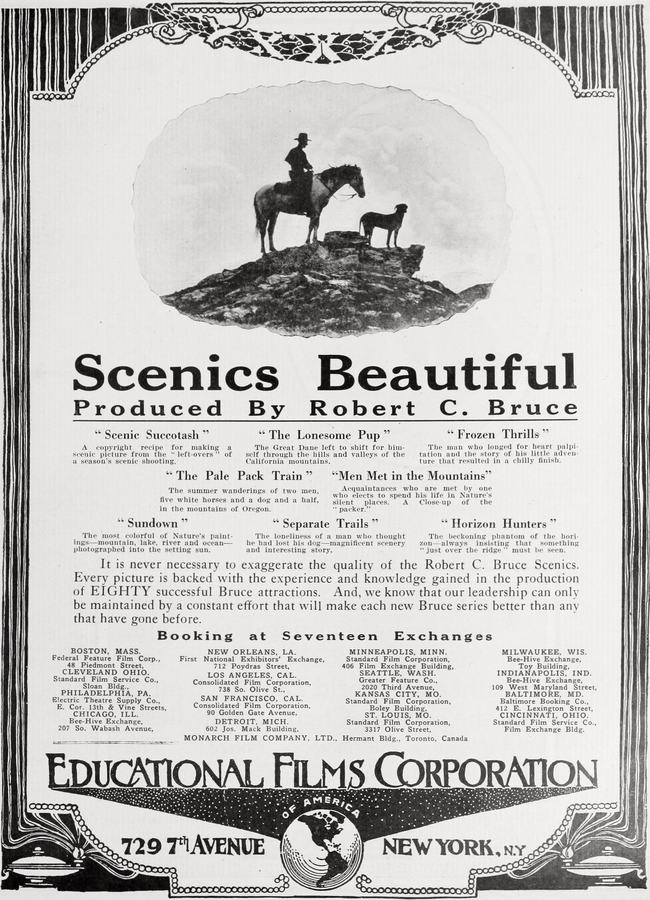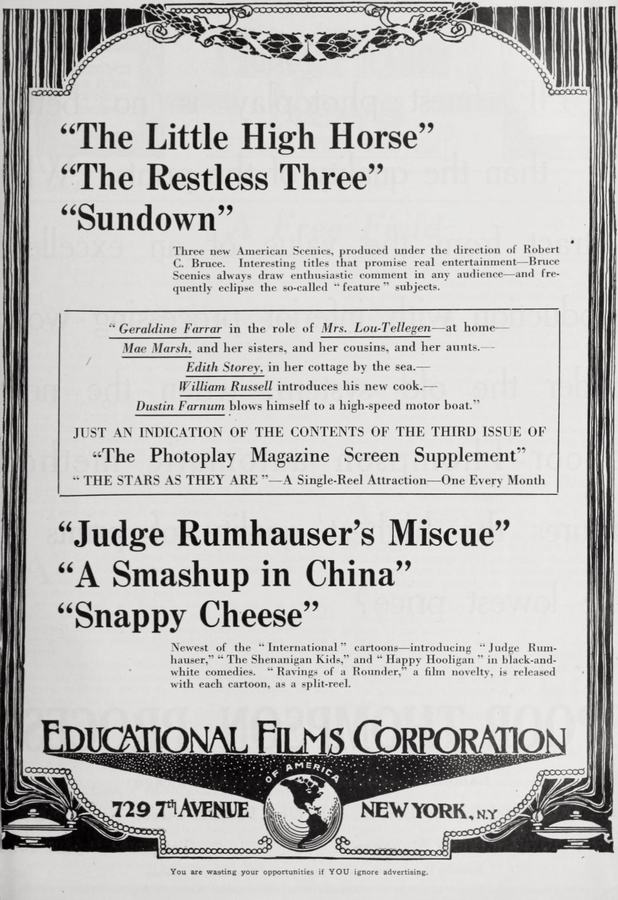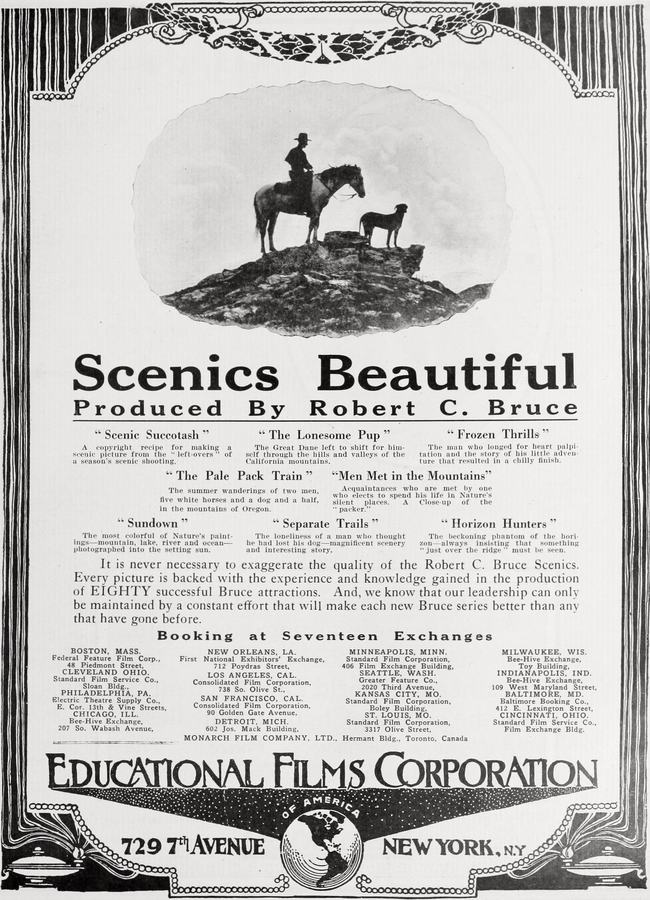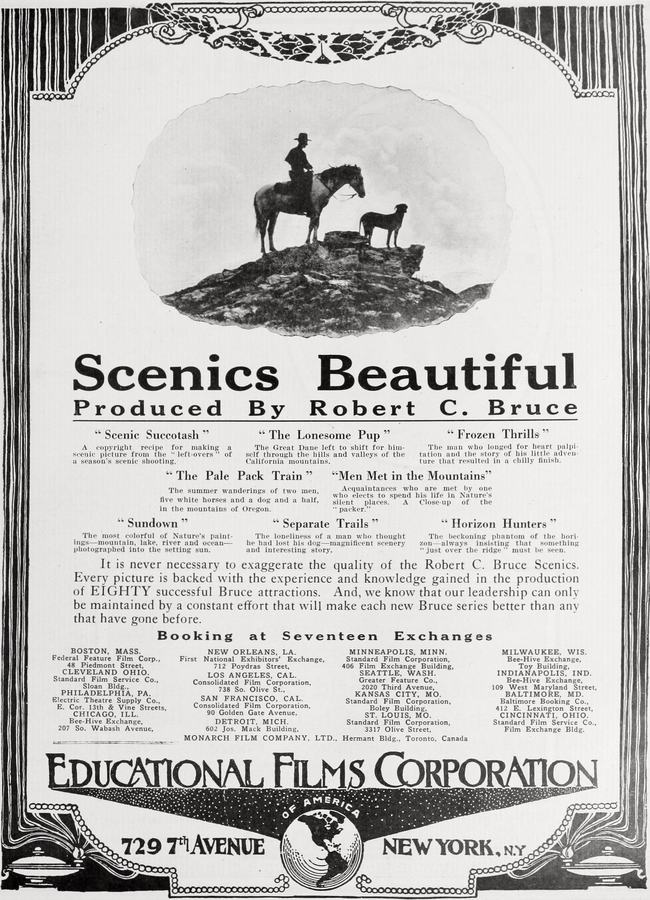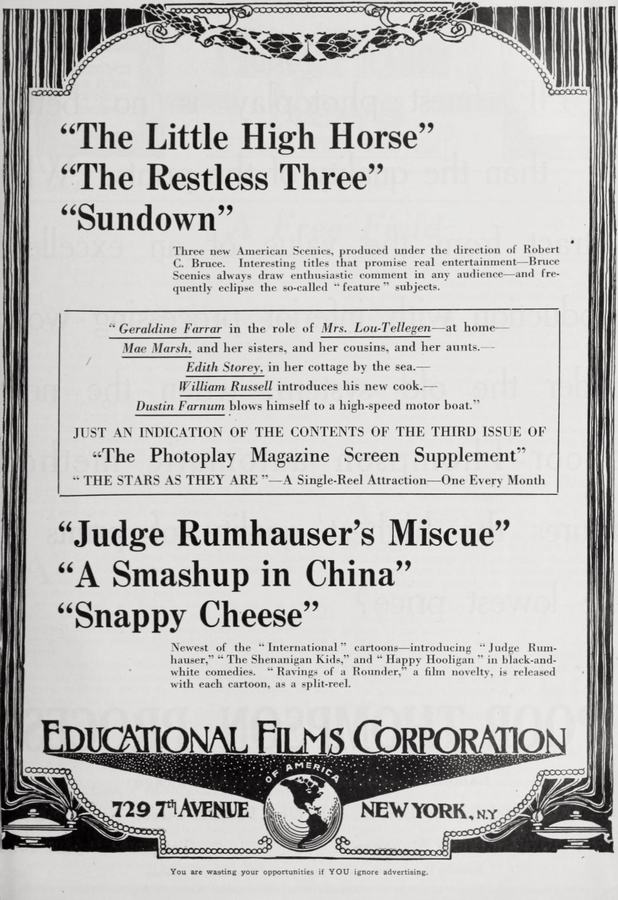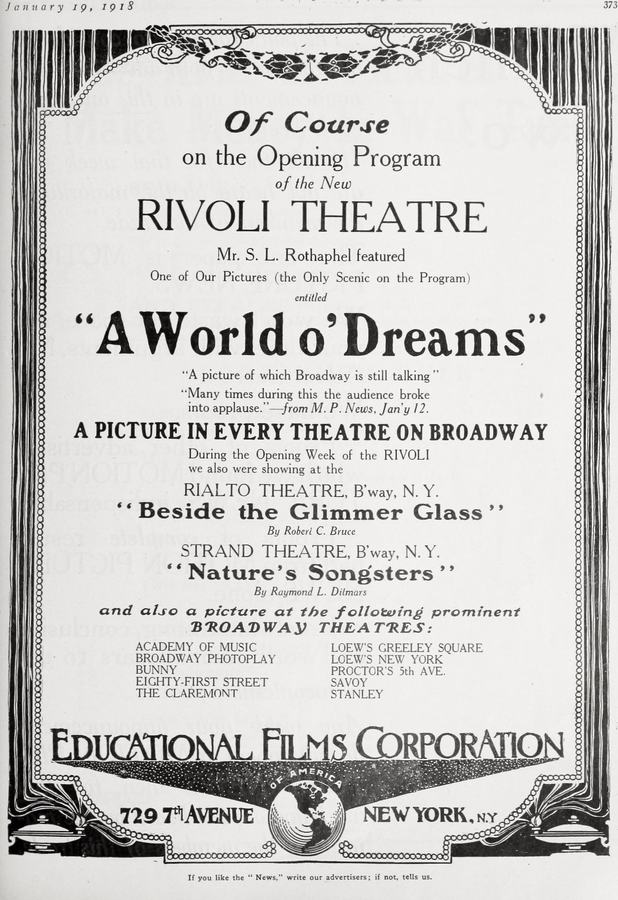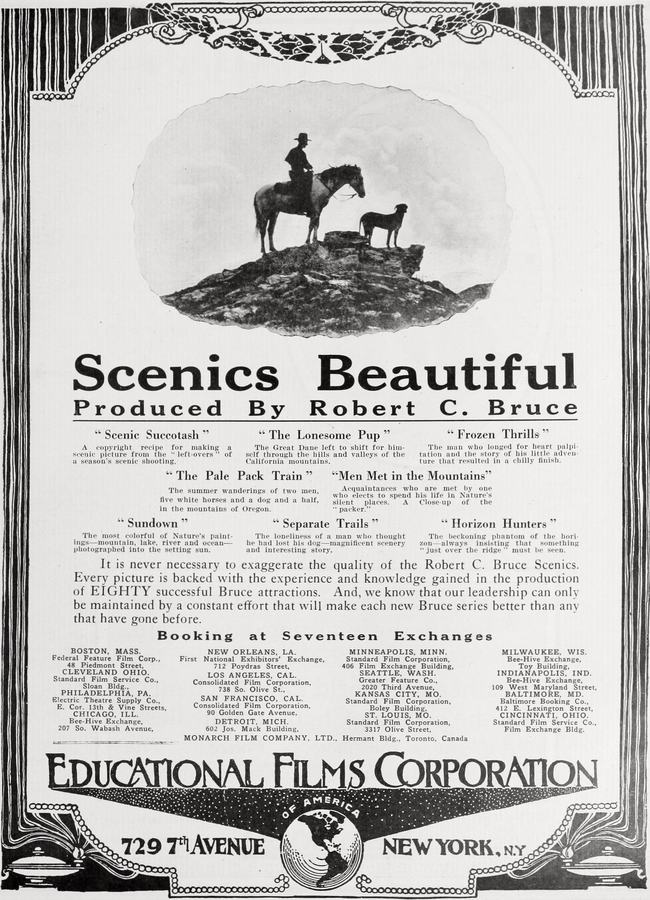
The Pastoral Avant-Garde: Reimagining the Wilderness In the nascent years of the twentieth century, the cinematic medium was largely tethered to the proscenium arch, mimicking the theatricality of the stage. However, visionaries like Robert C. Bruce sought to liberate the camera from the stifling confines of the stu...
Comparing the cinematic DNA and archive impact of two defining moments in cult history.
Robert C. Bruce
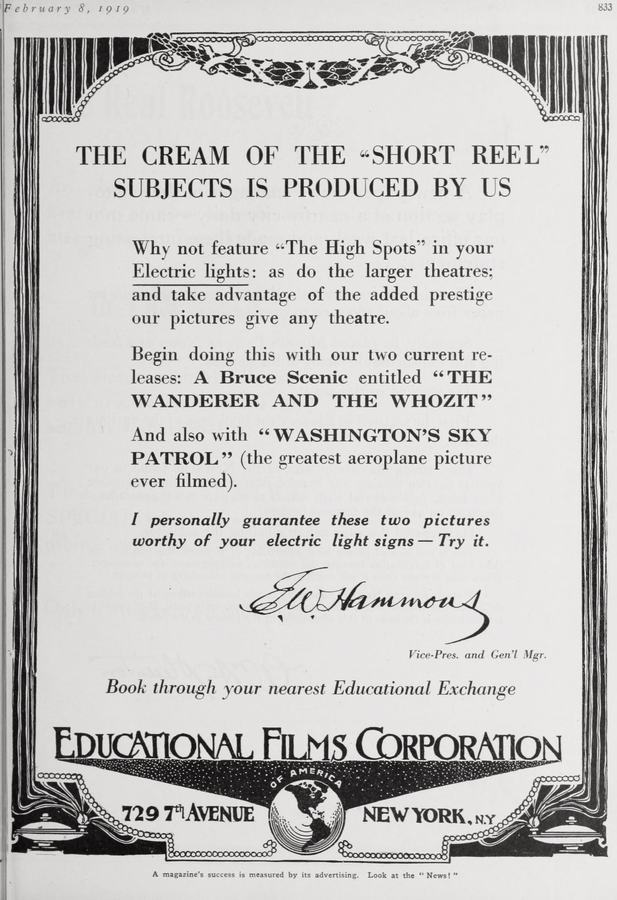
Robert C. Bruce
Community
Log in to comment.
" The Pastoral Avant-Garde: Reimagining the Wilderness In the nascent years of the twentieth century, the cinematic medium was largely tethered to the proscenium arch, mimicking the theatricality of the stage. However, visionaries like Robert C. Bruce sought to liberate the camera from the stifling confines of the studio. Scenic Succotash stands as a monumental pivot point in this liberation. Unlike the character-driven intrigue of The Illustrious Prince, Bruce’s work discards the artifice of p..."