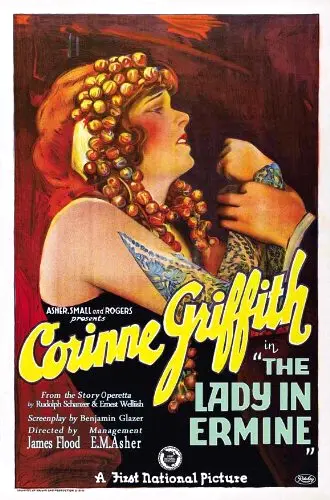
A definitive 4.8/10 rating for a film that redefined the boundaries of cult cinema. The Lady in Ermine remains a cornerstone of transgressive art.
Is 'The Lady in Ermine' worth watching today? The short answer is a qualified yes, particularly for those with a deep appreciation for silent era storytelling and its unique blend of grand melodrama and stark moral quandaries. This film is a must-see for cinephiles interested in the evolution of cinematic narrative and the power of non-verbal performance, but it may prove a challenging watch for casual viewers accustomed to modern pacing and dialogue-driven plots.
For those who embrace the conventions of early cinema, 'The Lady in Ermine' offers a compelling, if somewhat dated, exploration of sacrifice and societal pressures. It’s a historical artifact that still resonates with its core themes, despite the passage of a century.
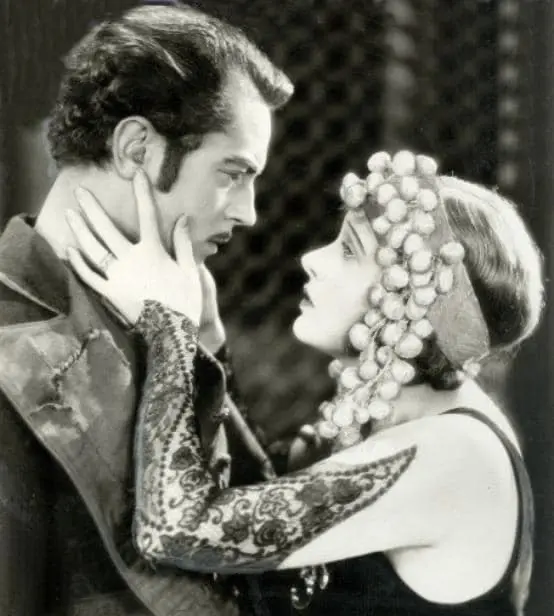
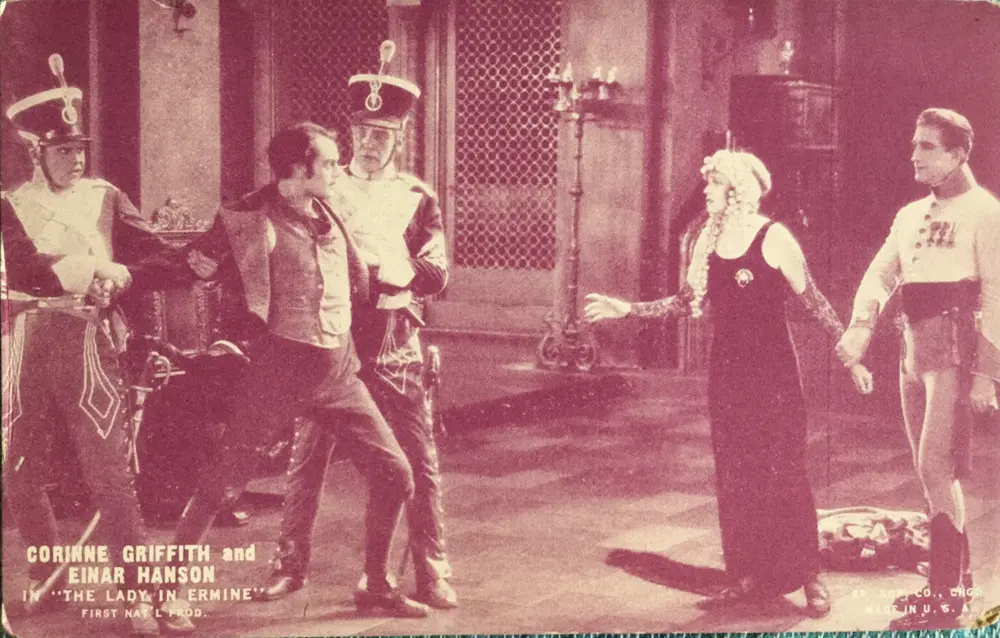
Scene from The Lady in Ermine
Cinematic perspective: Exploring the visual vocabulary of The Lady in Ermine (1927) through its definitive frames.
This film works because: It masterfully uses visual storytelling and the weight of historical precedent to build an almost unbearable tension around its central moral dilemma, leveraging the silent medium to amplify emotional stakes without a single spoken word.
This film fails because: Its pacing can feel glacially slow by contemporary standards, and some of the acting, while typical for the era, leans heavily into broad, theatrical gestures that might alienate modern audiences looking for subtlety.
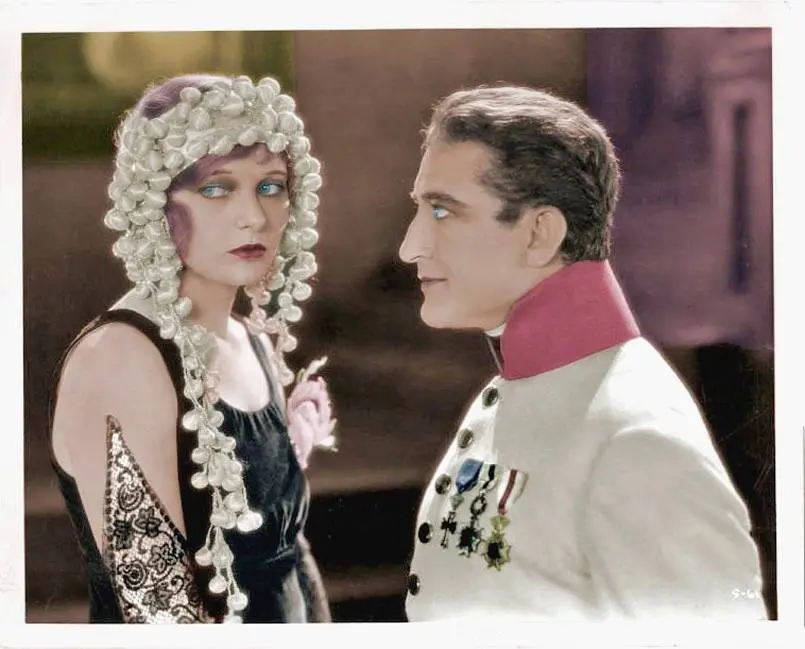
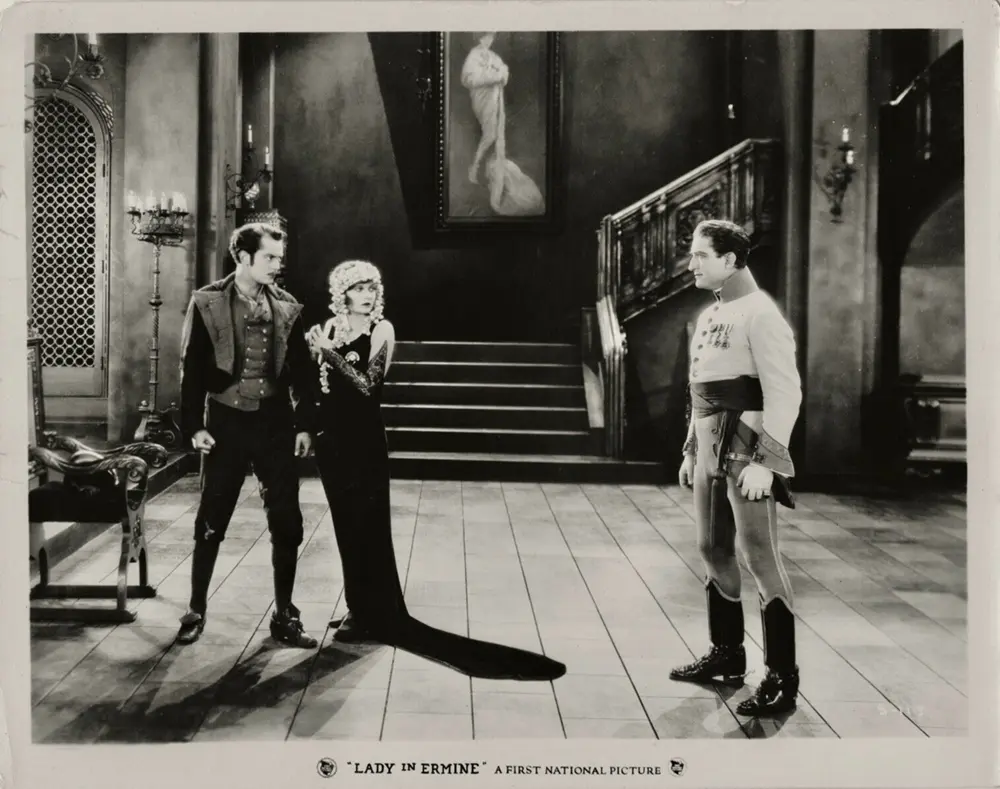
Scene from The Lady in Ermine
Cinematic perspective: Exploring the visual vocabulary of The Lady in Ermine (1927) through its definitive frames.
You should watch it if: You are fascinated by silent cinema, enjoy historical melodramas with profound ethical questions, or wish to witness a compelling performance from an often-overlooked star like Corinne Griffith.
A Tale of Echoes and Sacrifice
'The Lady in Ermine' is not merely a story; it’s an unsettling echo of history, played out within the grand, decaying walls of a European castle. At its heart lies a newly-married Countess, whose youthful optimism is swiftly overshadowed by the spectral presence of a family legend. This legend, personified by a looming portrait of 'The Lady in Ermine,' recounts the tragic fate of her own grandmother, a woman who made an unthinkable sacrifice – her honor – to secure her husband's life, only to be repaid with his murderous betrayal upon his safe return.
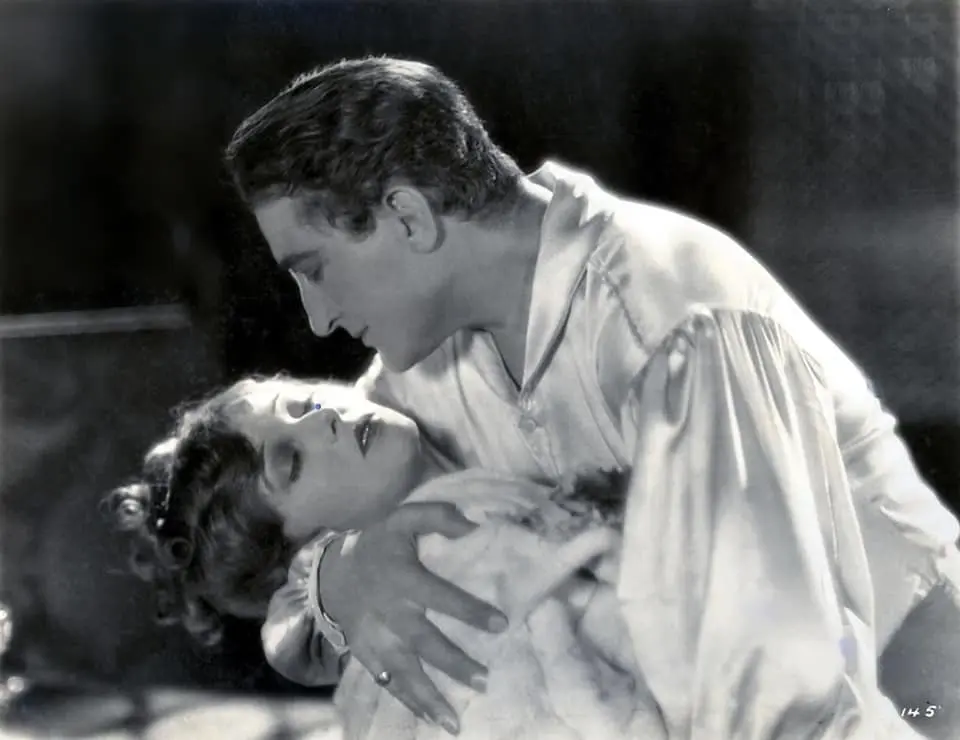
Scene from The Lady in Ermine
Cinematic perspective: Exploring the visual vocabulary of The Lady in Ermine (1927) through its definitive frames.
The film expertly establishes this ominous backdrop before introducing the catalyst for its central conflict: the arrival of an occupying Austrian general and his staff. Their presence transforms the Countess's home into a gilded cage, and the general, a figure of imposing authority and predatory charm, quickly fixates on her. This infatuation is not just a personal desire; it's a strategic weapon, sharpened by his discovery of the castle’s dark legend, a tale he seems all too ready to exploit.
When the Countess's husband, the Count, attempts a desperate escape, he is captured and condemned as a spy, facing execution. This act of defiance precipitates the film’s most agonizing moment: the general’s chilling proposition to the Countess, a direct mirroring of the choice her grandmother faced generations prior. The film culminates in a profoundly unsettling sequence as the Countess, clad only in an ermine coat, walks the long corridor towards the general's chambers, her every step laden with the weight of history, personal anguish, and the ultimate moral compromise. It’s a moment that transcends mere plot, becoming a visceral question mark on the nature of honor, love, and survival.
Scene from The Lady in Ermine
Cinematic perspective: Exploring the visual vocabulary of The Lady in Ermine (1927) through its definitive frames.
The Art of Silent Expression: Acting and Direction
The success of any silent film hinges almost entirely on the power of its actors to convey complex emotions without dialogue, and 'The Lady in Ermine' is a fascinating case study in this regard. Corinne Griffith, as the Countess, delivers a performance that oscillates between the broadly theatrical and moments of genuine, heart-wrenching vulnerability. Her eyes, often downcast or wide with terror, become the primary conduit for her character's internal struggle.
Consider the scene where she first learns of her husband's capture and the general's demand. Griffith doesn't just react; she visibly crumbles, her posture collapsing, her hand flying to her mouth in a gesture of silent horror. While some of her gestures might appear exaggerated to a modern audience, they were meticulously crafted for the large screens and distant viewers of the era, designed to project emotion across vast cinema halls. It’s an acting style that demands a different kind of appreciation, one that understands its historical context.
Scene from The Lady in Ermine
Cinematic perspective: Exploring the visual vocabulary of The Lady in Ermine (1927) through its definitive frames.
Einar Hanson, as the Count, provides a stoic counterpoint. His performance is less flamboyant than Griffith's, relying more on a quiet dignity and a sense of resigned despair. His attempts to escape are portrayed with a desperate urgency, yet his eventual capture is met with a quiet defiance that speaks volumes. Francis X. Bushman, as the imposing General, embodies the villain with a chilling blend of aristocratic menace and calculated charm. His smiles are rarely genuine, always hinting at the sinister motives beneath. He is not a mustache-twirling caricature; rather, he projects a subtle, insidious power that makes his proposition all the more terrifying.
The direction, though uncredited in the prompt, clearly understands the visual language of silent cinema. The camera often lingers on faces, allowing the actors' expressions to tell the story. There's a masterful use of close-ups to emphasize emotional distress and wide shots to convey the grandeur and isolation of the castle. The staging of scenes, particularly the climactic walk down the corridor, is meticulously choreographed to maximize tension and symbolic weight. It’s a testament to the era’s filmmakers who, without the aid of spoken words, could craft such potent dramatic narratives.
Visual Storytelling: Cinematography and Set Design
The visual artistry of 'The Lady in Ermine' is arguably its strongest suit, a testament to how silent films communicated through atmosphere and symbolism. The castle itself is more than just a setting; it's a character, imbued with history and foreboding. Its grand halls, dimly lit by flickering candelabras, create an oppressive sense of entrapment, perfectly mirroring the Countess's predicament. The production design evokes a sense of old-world European aristocracy, adding layers of authenticity to the tragic narrative.