United States
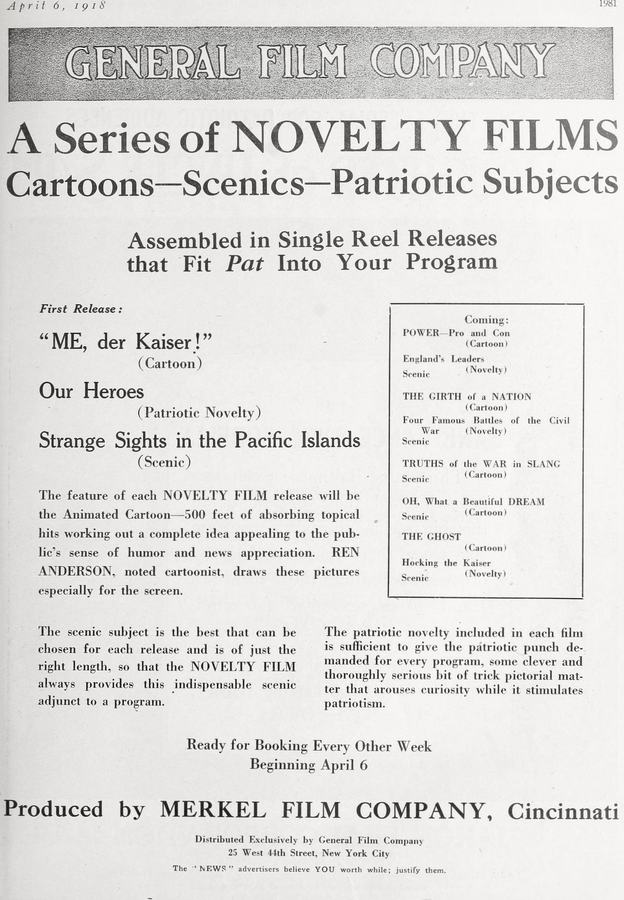
The Ephemeral Lens: Rediscovering a Lost Horizon There is a peculiar, almost ghostly quality to the way we consume early 20th-century travelogues. When I sat down to watch Strange Sights in the Pacific Islands, I wasn't just watching a film; I was peering through a tear in the fabric of time. Released in 1918, a yea...
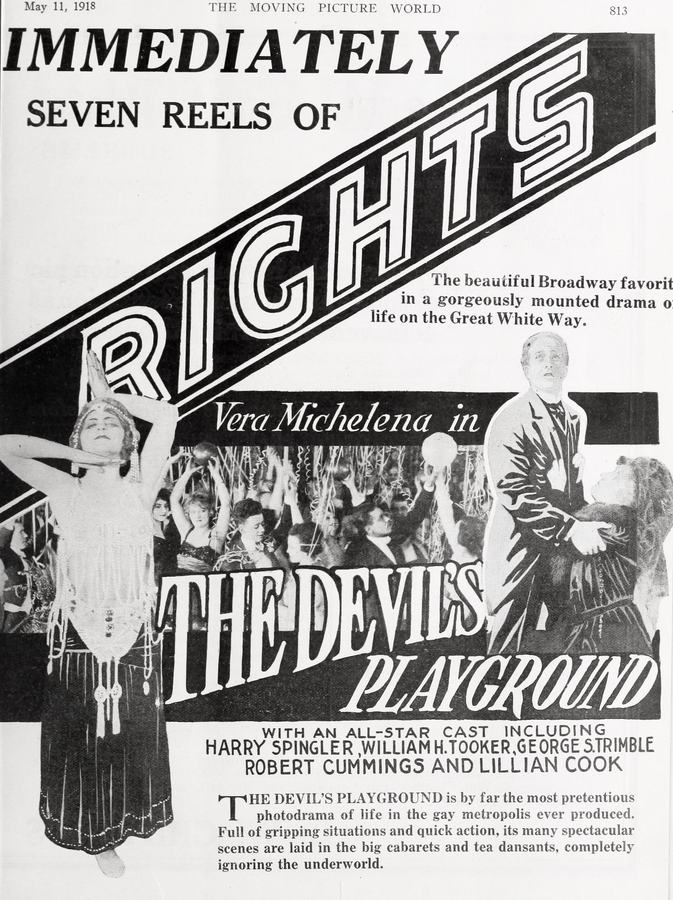

Comparing the cinematic DNA and archive impact of two defining moments in cult history.
Unknown Director
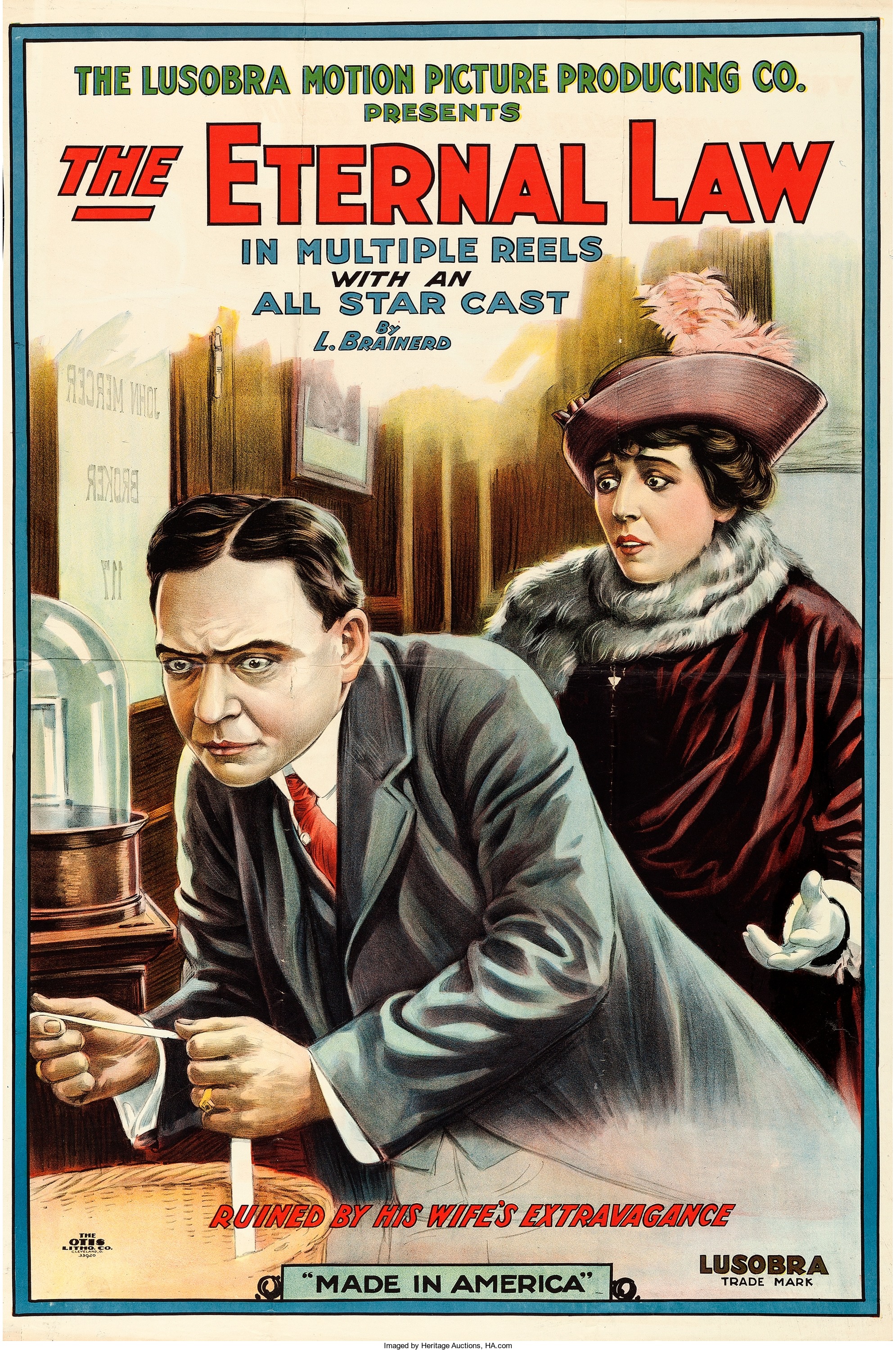
Unknown Director
Community
Log in to comment.
" The Ephemeral Lens: Rediscovering a Lost Horizon There is a peculiar, almost ghostly quality to the way we consume early 20th-century travelogues. When I sat down to watch Strange Sights in the Pacific Islands, I wasn't just watching a film; I was peering through a tear in the fabric of time. Released in 1918, a year dominated by the harrowing echoes of the Great War, this film offered an escape—not into fiction, but into a reality so far removed from the trenches of Europe that it might as w..."


Deep dive into the cult classic
Discover similar cinematic experiences