DbcultAccessing Vault...
5.8/10
Senior Film Conservator
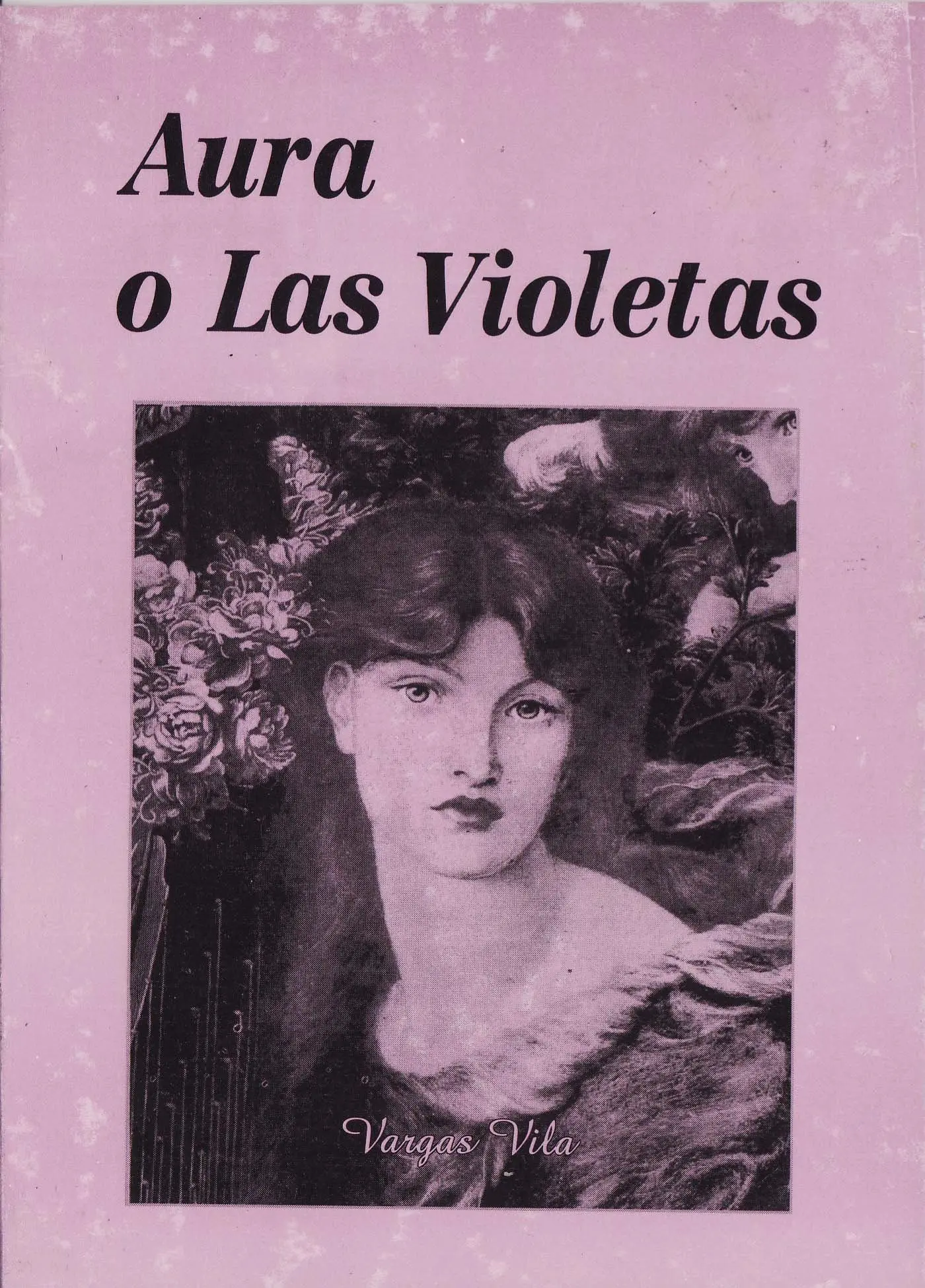
A definitive 5.8/10 rating for a film that redefined the boundaries of cult cinema. Aura o las violetas remains a cornerstone of transgressive art.
There are films that capture moments, and then there are films that capture the essence of an entire era, even if only in fragments. "Aura o las violetas", a title that whispers of delicate beauty and fleeting romance, is precisely the latter. As Bogotá's very first fiction film, its existence alone is a monumental historical marker, a testament to a nascent cinematic ambition in early 20th-century Colombia. What we have today are mere vestiges, spectral echoes of a narrative that once captivated audiences, an adaptation of José María Vargas Vila's literary classic that explored the tender, often tragic, romantic inclinations of the city's middle class. To review such a film isn't merely to critique its cinematic merits, but to engage in an act of historical imagination, piecing together a mosaic from the scattered remnants of a bygone artistic endeavor.
The very concept of a 'lost film' carries a profound melancholy, a sense of interrupted dialogue with the past. But with "Aura o las violetas", the surviving pieces, however few, speak volumes. They compel us to ponder the aspirations of its creators – Pedro Moreno Garzón and José María Vargas Vila – and the cultural landscape they sought to reflect. This wasn't just entertainment; it was a mirror held up to a society grappling with modernity, tradition, and the universal complexities of human affection. The film, even in its incomplete state, provides a vital understanding of how narrative cinema began to take root in Colombia, offering a foundational blueprint for storytelling through the moving image.
The plot, derived from a beloved literary work, revolves around the intricacies of romantic love among the middle classes of Bogotá. This thematic core is crucial. Unlike grand historical epics or slapstick comedies (like The Champeen), "Aura o las violetas" delved into the interior lives of ordinary people, their desires, their societal constraints, and the quiet dramas unfolding behind closed doors. This focus on domesticity and personal emotion was revolutionary in its own right, paving the way for a more intimate cinematic language. It’s a genre that, even today, continues to resonate, demonstrating the timeless appeal of stories centered on the human heart.
In particular, the casting of Isabel Von Walden and Ferrucio Benincore as the central lovers must have been a significant draw. While detailed accounts of their performances are scarce, one can surmise, given the period's acting styles, a reliance on expressive physicality and exaggerated gestures to convey deep emotion without spoken dialogue. Silent film actors were masters of pantomime, their faces and bodies telling stories that transcended language barriers. One imagines Von Walden bringing a delicate vulnerability to her role, perhaps reminiscent of the tragic heroines found in contemporary European dramas, while Benincore might have embodied a passionate, perhaps conflicted, suitor. Their on-screen chemistry, even if only glimpsed, would have been the emotional anchor of the film, drawing audiences into the romantic plight. Roberto Estrada Vergara and Mrs. Guevara, in supporting roles, would have added layers to this societal tapestry, perhaps representing the forces of convention or the voices of reason, much like the ensemble cast of a society drama such as Idle Tongues, where community interactions often dictate personal fates.
The literary roots of "Aura o las violetas" are paramount. José María Vargas Vila was a celebrated figure, and adapting his work for the screen was a bold move, signifying a recognition of cinema's potential as a cultural force capable of translating high art to a broader, more accessible medium. This interdisciplinary ambition speaks volumes about the intellectual curiosity driving early Colombian filmmakers. It's not unlike how Shakespeare's Romeo and Juliet, a timeless tale of star-crossed lovers, has been reinterpreted countless times for the screen, each adaptation seeking to capture the essence of its source material while imbuing it with contemporary cinematic sensibilities. The challenge for Moreno Garzón would have been to distil the novel's emotional depth and social commentary into a visual narrative, a task requiring both artistic vision and technical ingenuity.
Considering the technological limitations of the early 20th century, the mere act of producing a fiction film in Bogotá was an extraordinary feat. Cameras were unwieldy, lighting was rudimentary, and editing was a painstaking process. The surviving fragments, therefore, are not just scenes; they are artifacts of perseverance, testaments to the pioneering spirit of a handful of individuals who dared to dream in celluloid. One can only imagine the logistical hurdles, the creative compromises, and the sheer dedication required to bring this story to life. It’s a stark contrast to the sophisticated productions of today, yet it carries an undeniable charm, a raw authenticity that more polished contemporary works sometimes lack. This early cinema, much like The Crow's Nest or Három hét, was defined by its pioneering spirit, its willingness to experiment and explore the nascent capabilities of the medium.
The themes of romantic love, particularly within the confines of middle-class society, offer a rich vein for exploration. In early 20th-century Bogotá, social conventions, family expectations, and economic realities would have profoundly shaped romantic relationships. The film likely explored forbidden affections, class disparities, or the subtle power dynamics inherent in courtship, themes that resonate across cultures and time periods. This makes "Aura o las violetas" not just a historical curiosity, but a valuable sociological document, reflecting the values and anxieties of its time. It’s a cinematic window into the collective romantic psyche of a specific place and period, a fascinating counterpoint to how love is portrayed in films like The On-the-Square Girl, which might have explored similar societal pressures from a different cultural lens.
The loss of the majority of the film is, without doubt, a tragedy for cinematic history. It leaves us with an enduring sense of what might have been, an incomplete masterpiece whose full emotional impact can only be conjectured. Yet, even in its broken state, "Aura o las violetas" speaks to the enduring power of storytelling. It reminds us of the fragility of film as a medium, especially in its early years, and the critical importance of preservation efforts. Every surviving frame is a victory, a tiny piece of a larger puzzle that helps us understand the evolution of cinema and its cultural significance. This struggle against oblivion is a narrative in itself, a testament to the dedication of archivists and historians who strive to ensure that these invaluable artifacts are not lost forever.
One can only imagine the visual language employed by Moreno Garzón. Given the period, the cinematography would likely have been static, with long takes and careful compositions designed to frame the actors' expressive movements. Intertitles would have carried the dialogue and crucial plot points, serving as narrative bridges. The use of natural light, perhaps supplemented by basic artificial sources, would have given the film a distinct aesthetic, a texture unique to early cinema. The challenge for the director would have been to evoke the specific atmosphere of Bogotá – its colonial architecture, its bustling streets, its verdant landscapes – through the lens, creating a sense of place that anchored the universal story of love. This early approach to visual storytelling, focusing on tableaux and clear staging, can be seen in other contemporary films, from the social realism of Luffar-Petter to the dramatic intensity of Die Legende von der heiligen Simplicia.
The film's very title, "Aura o las violetas", suggests a delicate, almost ethereal quality. 'Aura' implies an intangible presence, an atmosphere, while 'violetas' (violets) often symbolize modesty, devotion, and sometimes, a hidden love. This poetic naming hints at a narrative steeped in subtle emotions and perhaps a tragic undercurrent, where love blossoms shyly and might ultimately face obstacles. It's a title that evokes curiosity and promises a story rich in sentiment, inviting viewers to delve into its depths. Such evocative titling was a common practice in early cinema, aiming to capture the audience's imagination even before the first frame appeared, much like the intriguing names given to films such as The Stork's Mistake or Solskinsbørnene.
The surviving fragments of "Aura o las violetas" are more than just historical curiosities; they are a direct link to the emotional landscape of early 20th-century Bogotá. They allow us to witness, however briefly, the gestures, the costumes, and the settings that defined an era. These details provide invaluable insights into the daily lives, social customs, and aesthetic preferences of the time. The fashion, the interior décor, the public spaces – all contribute to a vivid, if incomplete, portrait of a society in transition. This visual anthropology is a critical component of what makes watching these early films so compelling, offering a tangible connection to a past that would otherwise remain abstract. It's a window into the past, much like examining historical photographs, but with the added dimension of movement and narrative.
Considering the enduring legacy of the literary source material, it's clear that the film aimed for a certain cultural gravitas. Vargas Vila's work often explored themes of passion, injustice, and societal critique, and it's highly probable that the film adaptation sought to carry forward at least some of these deeper meanings, even within the confines of a romantic narrative. The challenge for the filmmakers would have been to translate these complex literary nuances into a visual medium that was still very much in its infancy. This would have required a keen understanding of both the source text and the expressive capabilities of silent film, a delicate balance between fidelity and cinematic innovation. The ambition to adapt such a significant work speaks to the early recognition of film as a powerful storytelling tool, capable of reaching audiences in ways that print could not.
The significance of "Aura o las violetas" extends beyond its status as a 'first.' It represents a foundational moment in Colombian cultural identity, a point where a local story, local talent, and local vision converged to create something entirely new and indigenous. While influenced by European cinematic trends, this film carved out a distinctly Colombian space within the global burgeoning film industry. It's a reminder that cinematic histories are not monolithic, but are rich tapestries woven from countless individual threads, each contributing to the broader narrative of film's evolution. This localized yet universally resonant storytelling is a hallmark of early national cinemas, providing insights into specific cultures while touching on shared human experiences, much like the early works of other national cinemas, such as the social dramas captured in Strife or the dramatic narratives found in L'assassino del corriere di Lione.
To truly appreciate "Aura o las violetas", one must approach it not with the expectations of modern cinema, but with an appreciation for its historical context and its pioneering spirit. It is a film that demands empathy from its viewer, an understanding of the immense challenges faced by its creators, and a recognition of its profound cultural impact. The surviving footage, however sparse, acts as a precious relic, a key that unlocks a deeper understanding of early Colombian artistic expression. It beckons us to consider the dreams and aspirations of a generation that saw the magic in moving pictures and dared to create their own. The very act of watching these fragments is a communion with history, a silent dialogue across the decades, reminding us of the enduring power of cinema to transcend time and connect us to the human experience in its myriad forms.
The fact that we are even able to discuss "Aura o las violetas" today, however incompletely, is a testament to the dedication of film archivists and cultural institutions. Their tireless work ensures that these vital pieces of history are not relegated to footnotes but remain accessible for study and contemplation. Without their efforts, many of these early cinematic endeavors would be entirely lost, erasing invaluable insights into the cultural, social, and technological developments of the past. The preservation of films like this is not just about nostalgia; it is about safeguarding cultural memory, providing future generations with the tools to understand where they come from and how their artistic traditions have evolved. It’s an ongoing battle against the ravages of time and neglect, a heroic effort that deserves far more recognition than it often receives. Every preserved frame is a triumph, a small victory against the tide of forgetting. This dedication to legacy is what allows us to study the lineage of cinema, understanding how films like Three Strikes and The College Orphan fit into the broader narrative of film history.
Ultimately, "Aura o las violetas" stands as a symbolic cornerstone of Colombian cinema. It is a film that, despite its physical incompleteness, offers a full and rich narrative of artistic courage, cultural adaptation, and the timeless appeal of human stories. Its legacy is not just in what it showed, but in what it represented: the birth of a national cinematic voice. It invites us to reflect on the nature of memory, the impermanence of art, and the profound importance of preserving our cultural heritage. For any film enthusiast or historian, encountering the remnants of "Aura o las violetas" is a deeply moving experience, a journey back to the very dawn of a nation's cinematic dream.
IMDb —
1924
Community
Log in to comment.