Summary
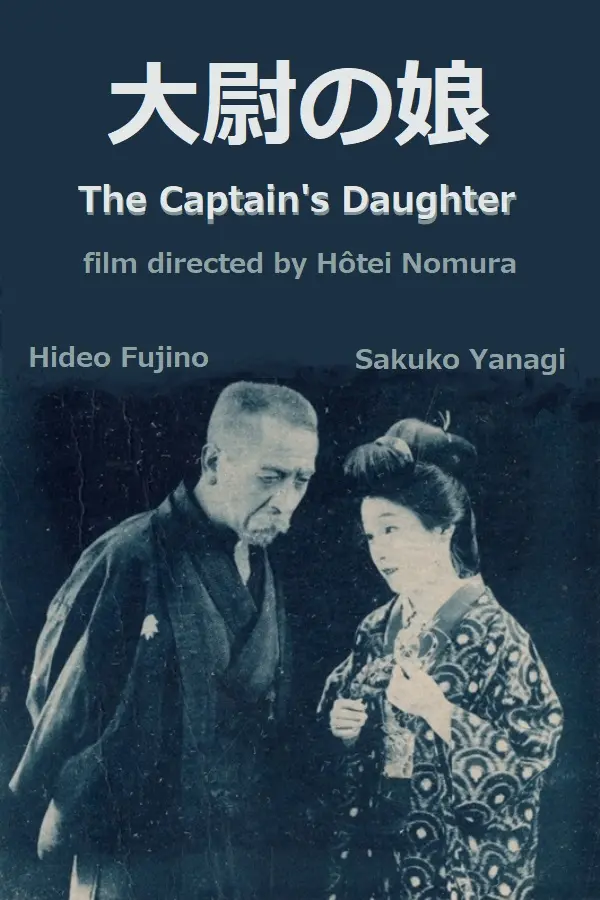
“Taii no musume” unfurls a poignant tapestry of duty, sacrifice, and the relentless currents of societal expectation, all meticulously woven around the life of Ayame (Eiko Azuma), the spirited yet burdened daughter of Captain Kenzaburo Fujima (Rintarō Fujima). The Captain, a man whose rigid adherence to naval honor masks a crumbling personal fortune, faces an impossible choice: either surrender his family's ancestral lands to a rapacious moneylender, the conniving Baron Hideo (Hideo Fujino), or see his reputation irrevocably sullied. Ayame, privy to her father's silent anguish, finds herself caught between her heart's desire – the earnest, idealistic young fisherman, Kenji (Sôtarô Okada), who dreams of a life beyond the village's confines – and the stark reality of her family's impending ruin. When Baron Hideo, captivated by Ayame's ethereal beauty, offers to "forgive" the Captain's debts in exchange for her hand, a profound moral chasm opens. Ayame, with a stoicism that belies her tender years, contemplates a life of loveless obligation, believing her personal sacrifice is the only means to preserve her father's honor and the well-being of their community, which relies heavily on the Captain's benevolent, albeit dwindling, influence. The narrative crescendo builds as Kenji uncovers the Baron's insidious machinations and a long-buried secret concerning the Captain's past, revealing a truth far more complex than simple debt. The film culminates in a breathtaking confrontation on the treacherous, storm-tossed cliffs overlooking the sea, where Ayame's ultimate decision will determine not only her own fate but the very soul of her family and the integrity of her beloved Kenji. It's a masterful exploration of the silent burdens carried by women in a patriarchal society, juxtaposed against the unyielding demands of honor.
Review Excerpt
"
Stepping into the world of Taii no musume, or The Captain's Daughter, is akin to unearthing a meticulously preserved artifact, a cinematic testament to an era where storytelling relied on the profound expressiveness of the human face and the evocative power of carefully composed tableaux. This isn't merely a film; it's a deeply resonant meditation on the unyielding grip of honor, the quiet agony of sacrifice, and the tumultuous currents of love caught within the rigid strictures of..."