A small town boy dreams of being a famous fiddler; meanwhile, two convicts escape from prison and hide in the woods.
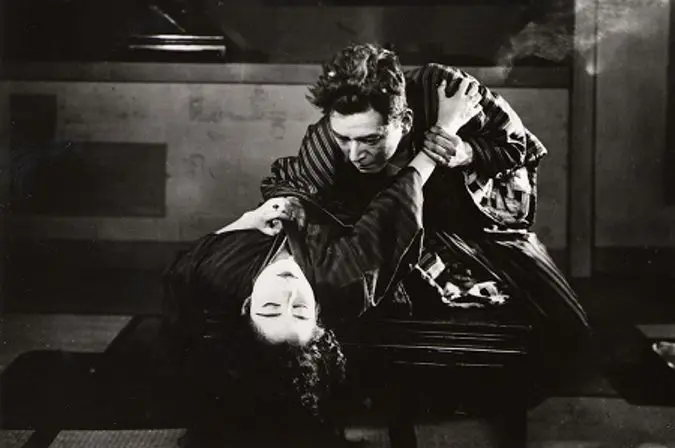
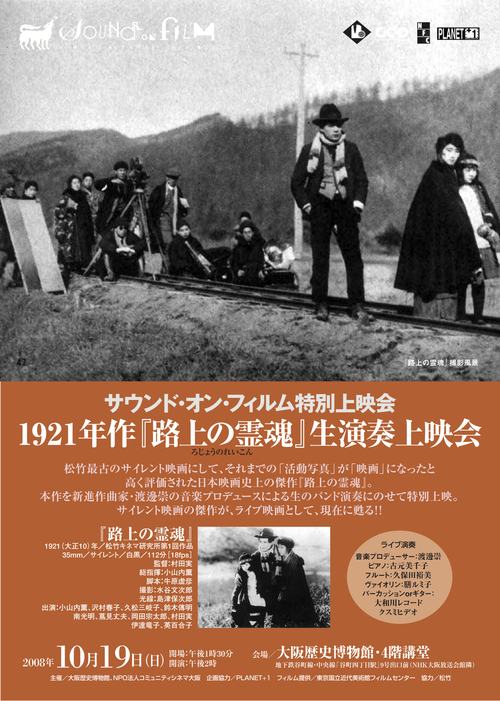
The Dawn of the Pure Film Movement Minoru Murata’s 1921 opus, Souls on the Road (Rojō no Reiku), stands as a definitive demarcation point in the evolution of Japanese cinema. Before this watershed moment, the medium was largely a captive of the stage, shackled by the stylistic conventions of Kabuki and the declamatory...
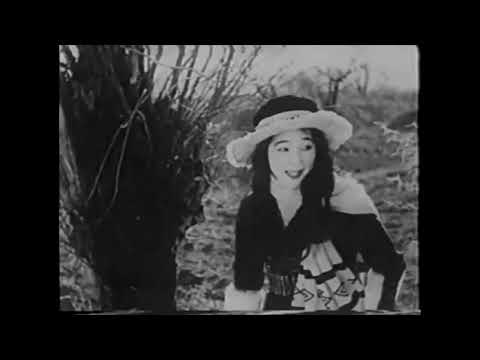


Comparing the cinematic DNA and archive impact of two defining moments in cult history.
Minoru Murata

Dallas M. Fitzgerald
Community
Log in to comment.
" The Dawn of the Pure Film Movement Minoru Murata’s 1921 opus, Souls on the Road (Rojō no Reiku), stands as a definitive demarcation point in the evolution of Japanese cinema. Before this watershed moment, the medium was largely a captive of the stage, shackled by the stylistic conventions of Kabuki and the declamatory presence of the benshi. Murata, alongside writer Kiyohiko Ushihara, sought to dismantle this theatrical hegemony. They envisioned a cinema that breathed through its own unique gra..."
Yoshiko Nakamura
Kiyohiko Ushihara, Wilhelm August Schmidtbonn, Maxim Gorky
Japan
Drama

still_frame
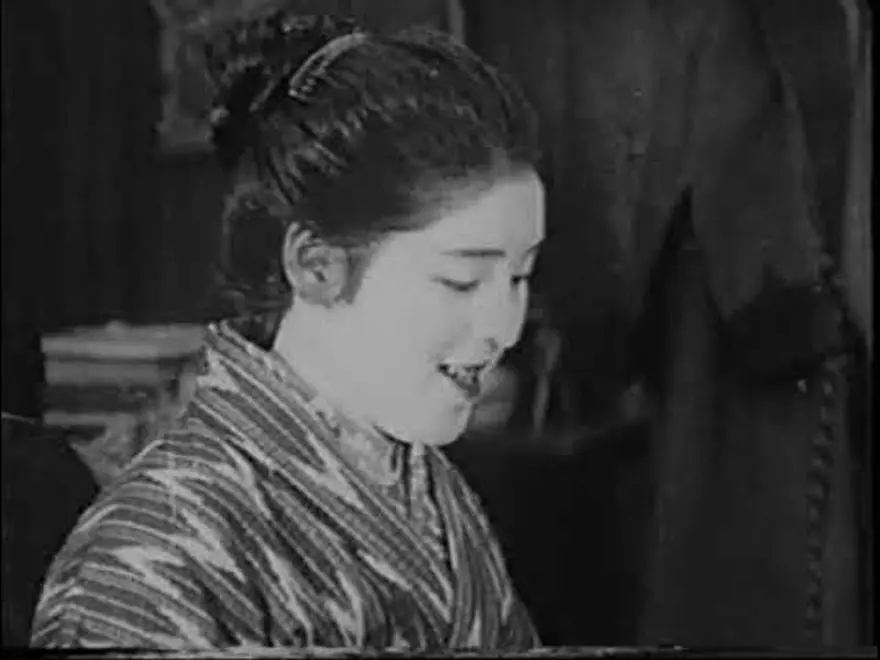
still_frame

still_frame

still_frame
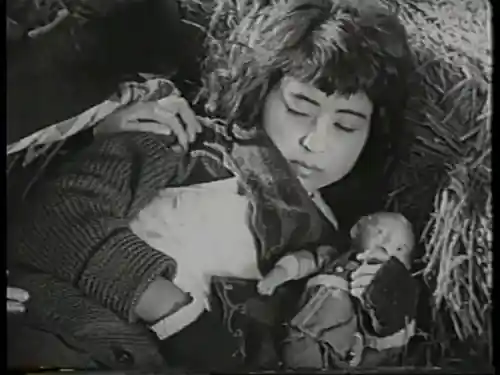
still_frame
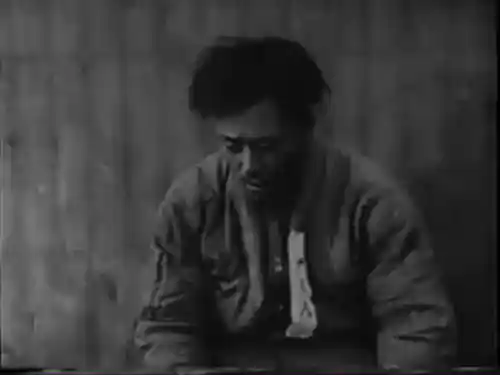
still_frame
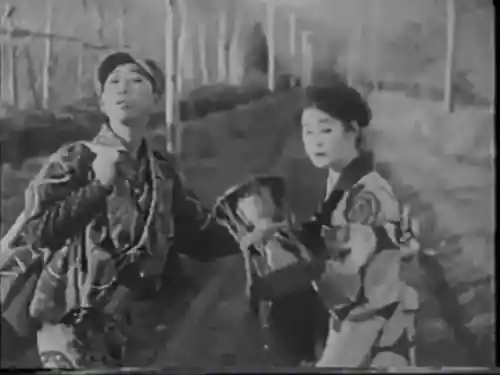
still_frame

still_frame


Deep dive into the cult classic
Discover similar cinematic experiences
A Directorial Spotlight on Minoru Murata