DbcultAccessing Vault...
Cult Review
Senior Film Conservator
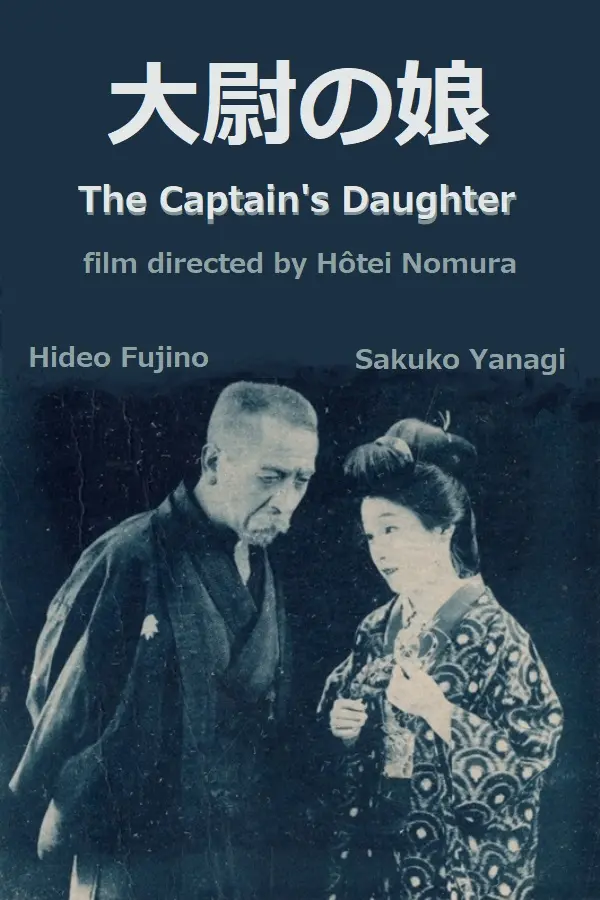
Stepping into the world of Taii no musume, or The Captain's Daughter, is akin to unearthing a meticulously preserved artifact, a cinematic testament to an era where storytelling relied on the profound expressiveness of the human face and the evocative power of carefully composed tableaux. This isn't merely a film; it's a deeply resonant meditation on the unyielding grip of honor, the quiet agony of sacrifice, and the tumultuous currents of love caught within the rigid strictures of societal expectation. From its very first frames, the film establishes a somber, yet exquisitely beautiful, aesthetic that immediately draws the viewer into its melancholic embrace, a stark contrast to the boisterous escapism often found in contemporary features like Hey, Rube! or the fantastical realms of Jack and the Beanstalk. Instead, Taii no musume grounds itself in a palpable reality, even as its emotional stakes soar to operatic heights.
The narrative spine of Taii no musume is deceptively simple, yet possesses an intricate emotional architecture. We are introduced to Ayame, portrayed with breathtaking vulnerability and steely resolve by Eiko Azuma, the eponymous daughter of Captain Kenzaburo Fujima, brought to life by the formidable Rintarō Fujima. Fujima's portrayal of the Captain is a masterclass in understated suffering; his stoic bearing and furrowed brow speak volumes of a man wrestling with an insurmountable burden. His family's ancestral lands, the very bedrock of their honor and livelihood, teeter on the precipice of forfeiture, threatened by the avarice of the Machiavellian Baron Hideo, played with chilling effectiveness by Hideo Fujino. Fujino eschews overt villainy for a more insidious brand of manipulation, his smiles never quite reaching his eyes, a subtle menace that makes his character all the more unsettling.
Ayame's personal dilemma forms the pulsating heart of the story. Her affections lie with Kenji (Sôtarô Okada), a young fisherman whose earnest gaze and unwavering devotion offer a glimpse of a life unburdened by tradition, a stark counterpoint to the suffocating expectations placed upon her. Okada imbues Kenji with a vibrant idealism, making his eventual descent into despair and desperate action all the more poignant. The blossoming romance between Ayame and Kenji is rendered with a delicate touch, moments of shared glances and hesitant touches conveying a world of unspoken tenderness. Yet, this nascent love is cruelly tested when Baron Hideo, eyeing Ayame as a prized acquisition rather than a partner, proposes to "forgive" the Captain's debilitating debts in exchange for her hand. This proposition is not merely a plot device; it is a brutal indictment of a system that commodifies women, reducing their agency to a transactional value.
Ayame's internal struggle is depicted with remarkable nuance. Azuma's performance transcends mere melodrama, capturing the profound weight of a decision that demands the immolation of personal happiness at the altar of familial honor. It echoes the quiet fortitude seen in characters navigating similar social labyrinth in films like In Honor's Web, where reputation often dictated destiny, or the tragic choices faced in A bánat asszonya (The Woman of Sorrow). Her sacrifice, initially perceived as a simple act of filial piety, becomes a complex negotiation with destiny, revealing layers of strength and resignation. The film masterfully builds tension, not through bombastic action, but through the escalating emotional pressure on Ayame and the relentless ticking clock of the Captain's impending ruin.
The directorial hand behind Taii no musume is one of exquisite precision and profound empathy. Every shot feels meticulously composed, each frame a painting designed to convey mood and narrative without the crutch of spoken dialogue. The cinematography is particularly striking, employing deep focus and chiaroscuro lighting to great effect. Shadows dance across the faces of the characters, reflecting their inner turmoil, while wide shots of the rugged coastline and the stormy sea serve as powerful metaphors for the emotional tempest brewing within the narrative. The director understands the power of silence, allowing lingering close-ups on the actors' faces to communicate unspoken anguish, fleeting hopes,

IMDb —
1925
Community
Log in to comment.