United States
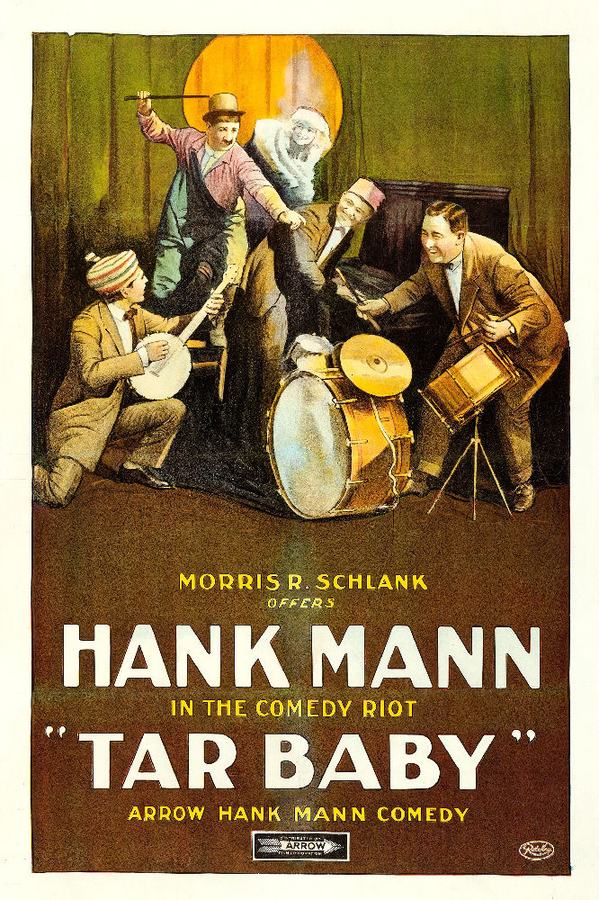
p,blockquote,ul{margin:0 0 1.2em 0} a{color:#EAB308;text-decoration:underline} a:hover{color:#C2410C} h2{color:#0E7490;font-size:1.6em;margin:2em 0 .6em 0;border-left:4px solid #C2410C;padding-left:.6em} strong{color:#C2410C} Forget every plantation pastel you’ve ever seen; Tar Baby arrives like a hurricane lamp hu...
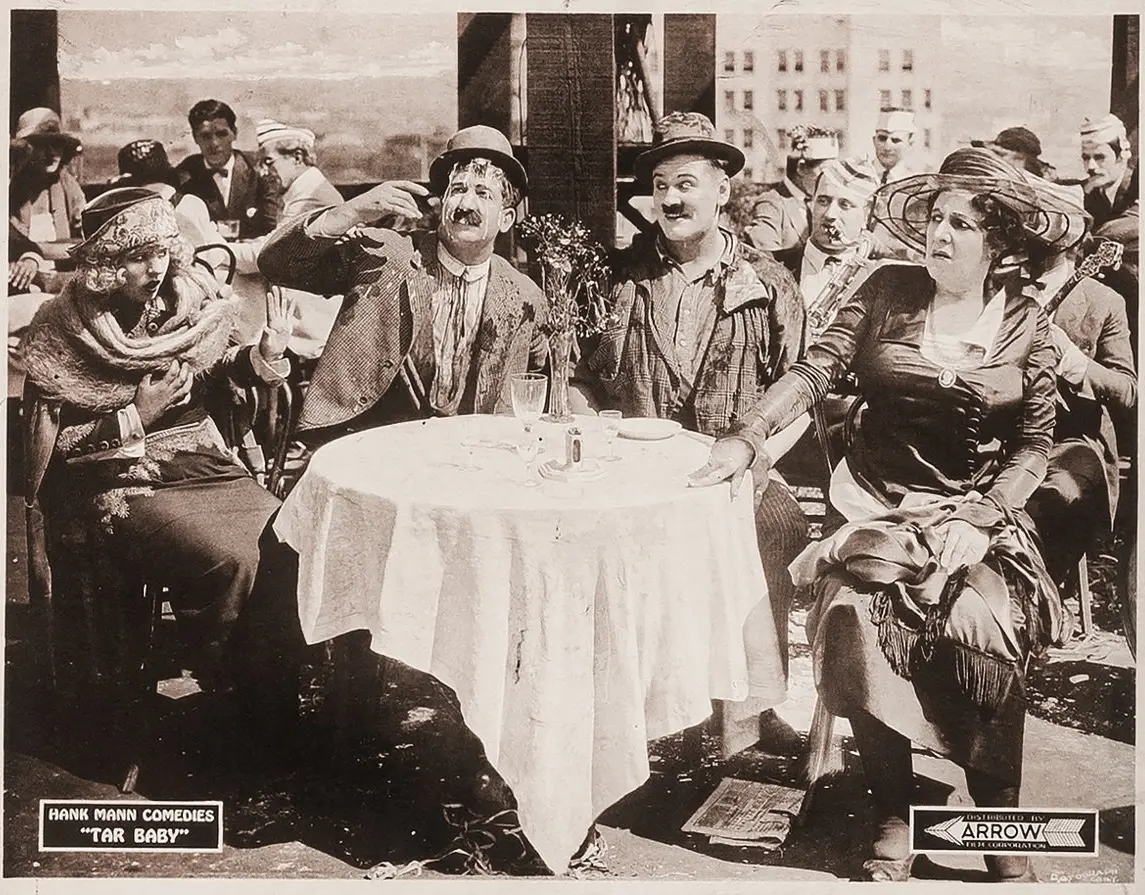
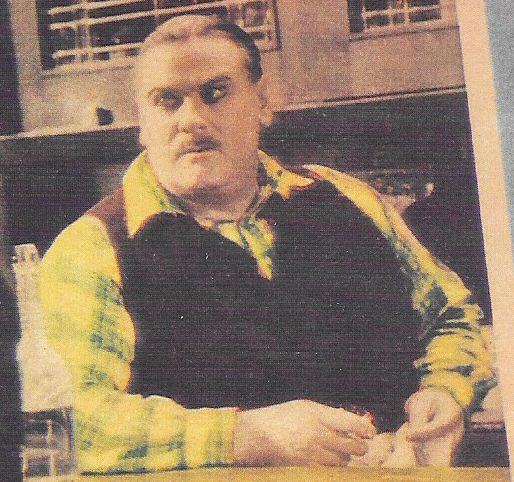
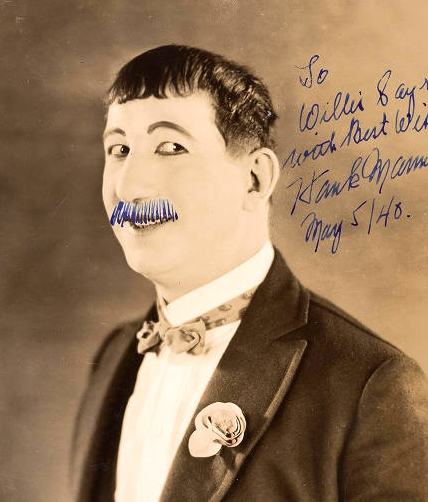
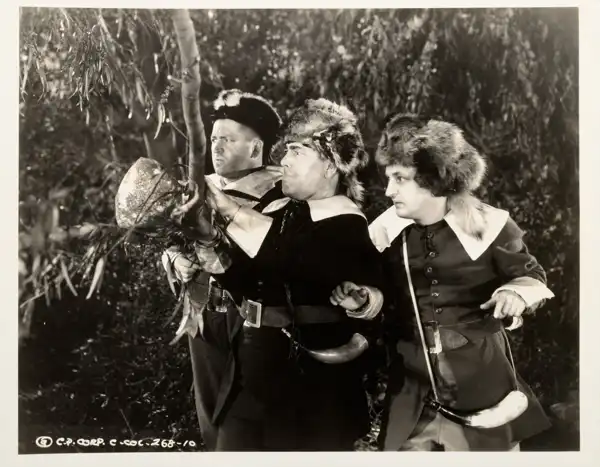
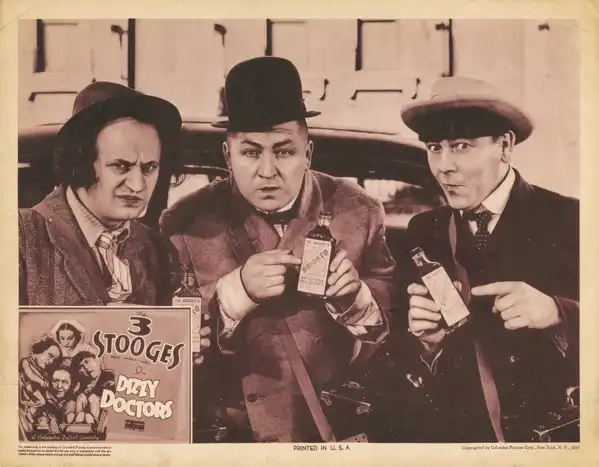
still_frame
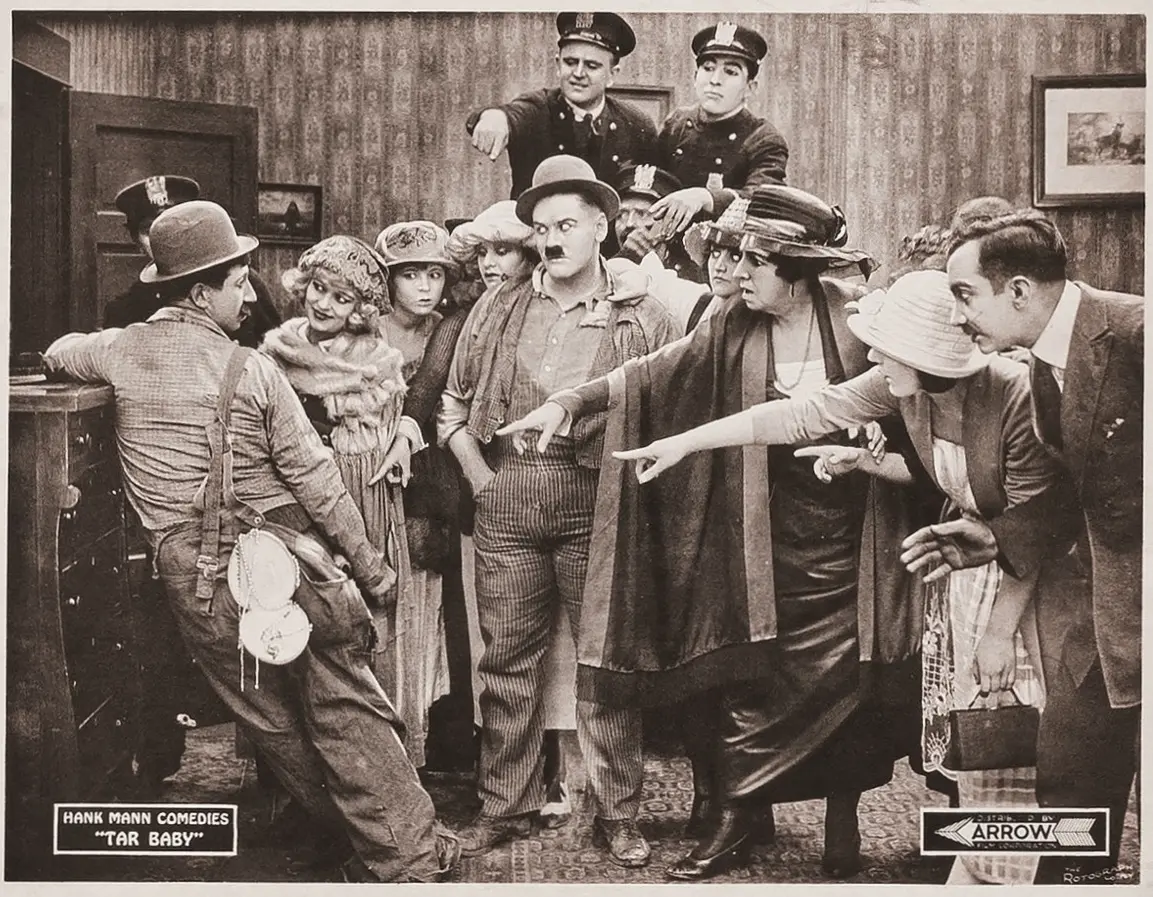
still_frame
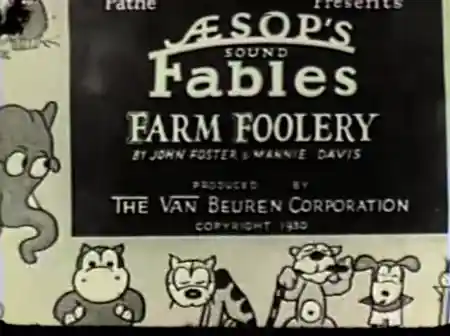
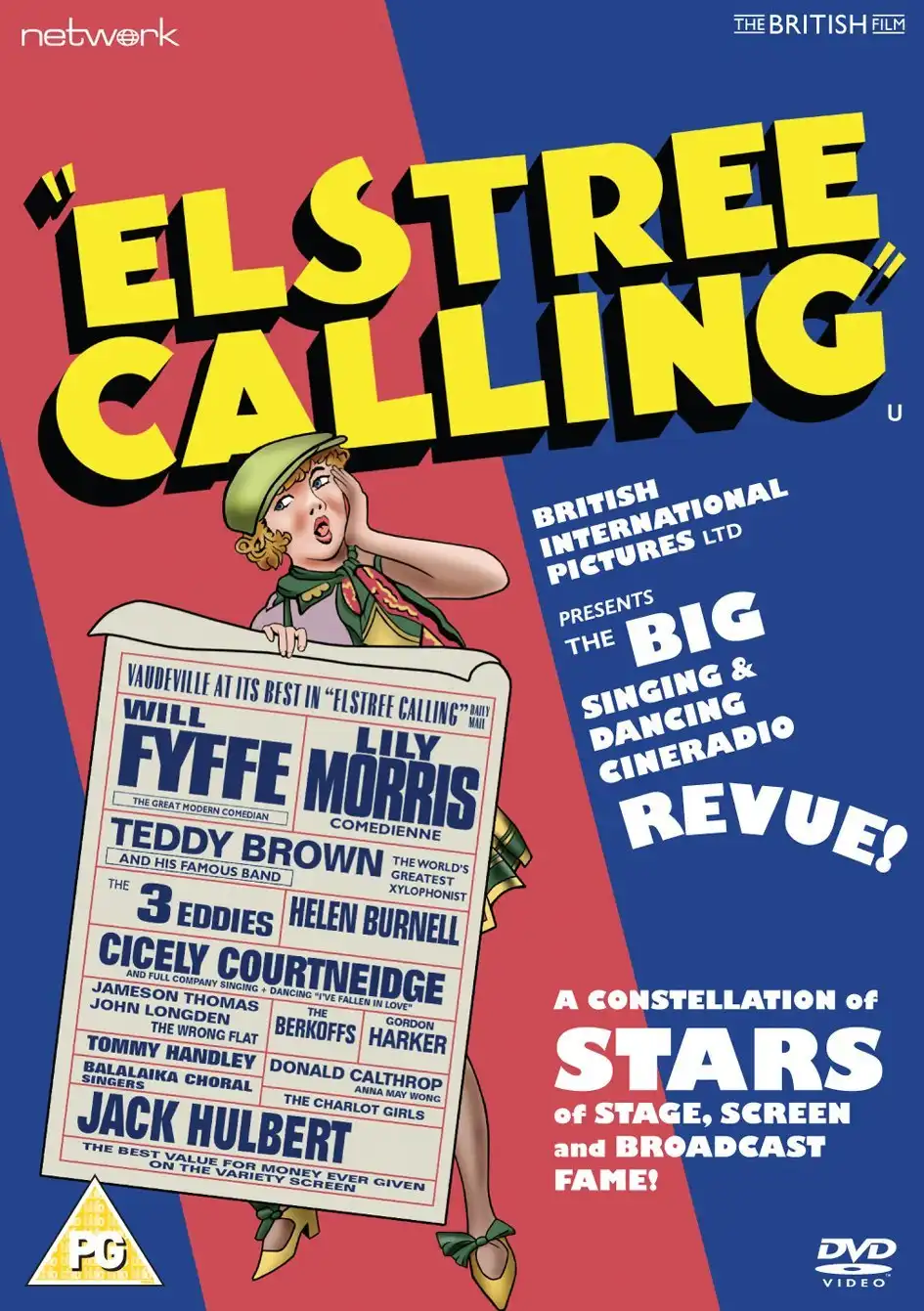
Comparing the cinematic DNA and archive impact of two defining moments in cult history.
Unknown Director

Unknown Director
Community
Log in to comment.
" p,blockquote,ul{margin:0 0 1.2em 0} a{color:#EAB308;text-decoration:underline} a:hover{color:#C2410C} h2{color:#0E7490;font-size:1.6em;margin:2em 0 .6em 0;border-left:4px solid #C2410C;padding-left:.6em} strong{color:#C2410C} Forget every plantation pastel you’ve ever seen; Tar Baby arrives like a hurricane lamp hurled into a velvet parlor. The nitrate sings—literally—because some mischievous projectionist spliced in a hidden phonographic loop of swamp cicadas and distant chain-gang hammers,..."