DbcultAccessing Vault...
6.4/10
Senior Film Conservator
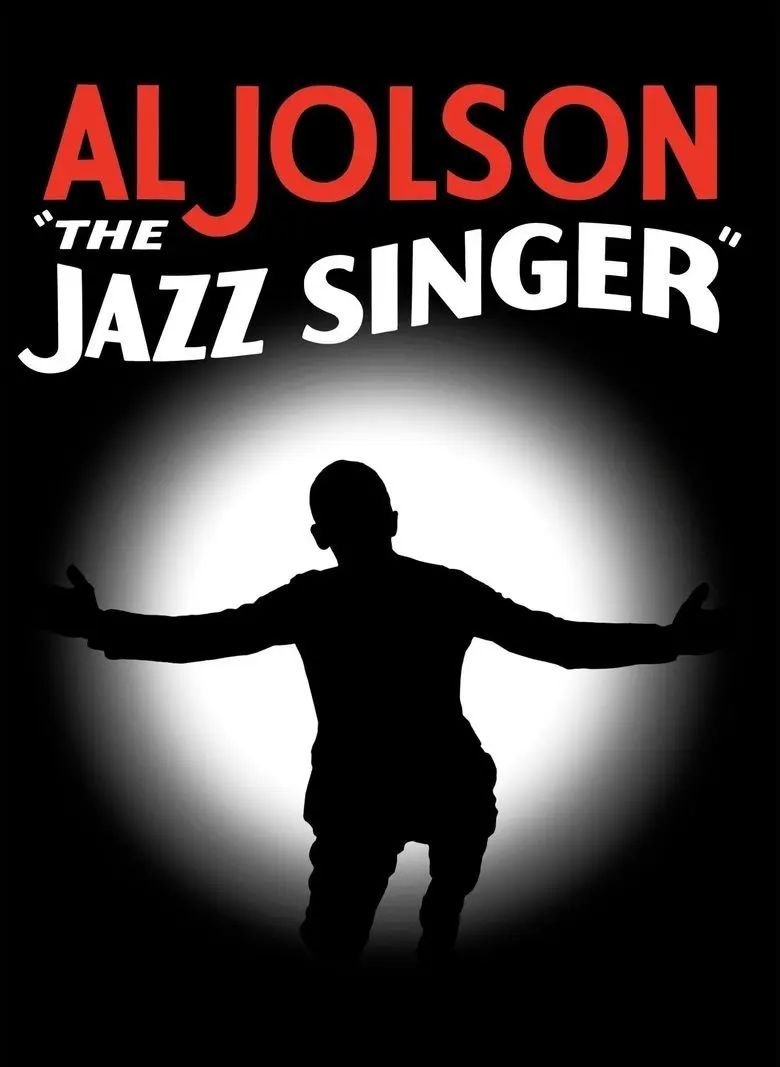
A definitive 6.4/10 rating for a film that redefined the boundaries of cult cinema. The Jazz Singer remains a cornerstone of transgressive art.
Is The Jazz Singer worth your time in the 21st century? Short answer: Yes, but strictly as a historical artifact rather than a casual Friday night movie. This film is for those who want to witness the exact moment cinema changed forever; it is not for anyone looking for modern pacing or a comfortable, unproblematic viewing experience.
This film works because it captures a raw, unrefined energy in Al Jolson’s performance that silent film stars simply couldn’t replicate with gestures alone.
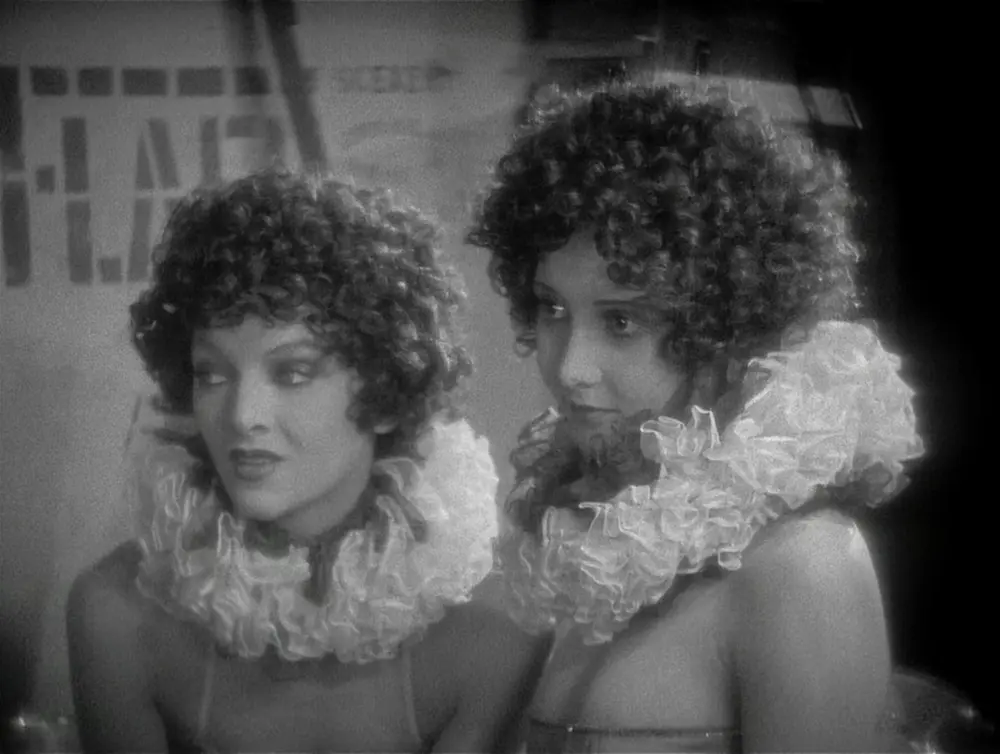
This film fails because its reliance on blackface is a jarring, offensive relic that complicates its themes of cultural assimilation and identity.
You should watch it if you are a film student or a history buff who wants to understand the death of the silent era and the birth of the talkies.
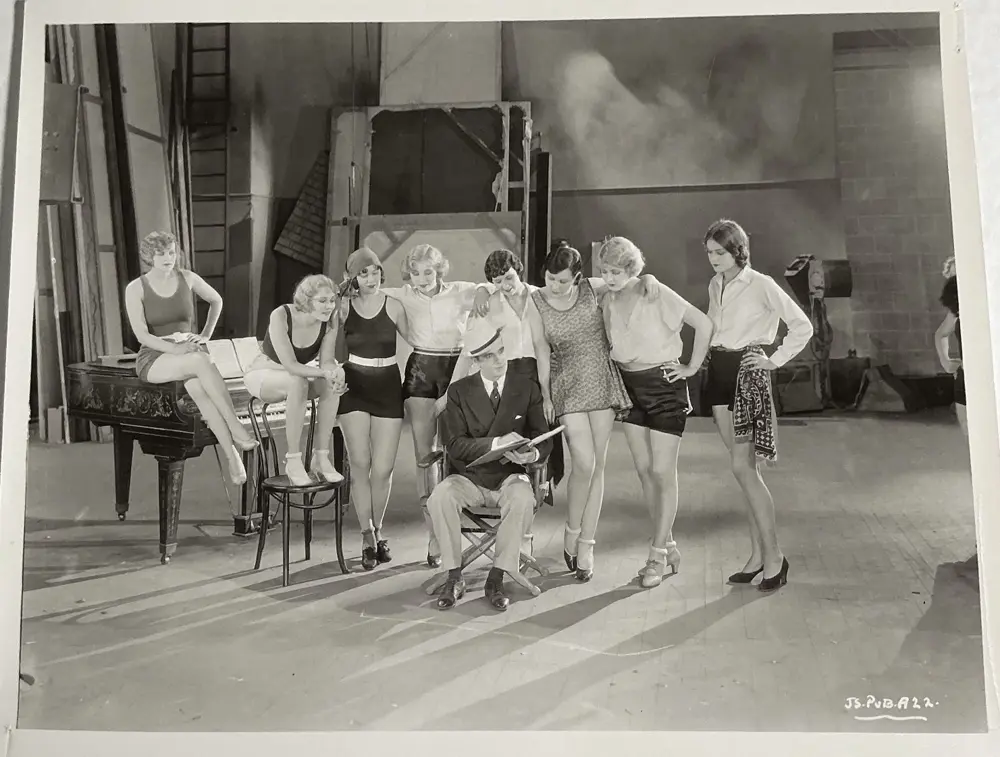
When Al Jolson utters the famous line, "Wait a minute, wait a minute, you ain't heard nothin' yet," he wasn't just speaking to his mother in the film; he was shouting at an entire industry. Before this, movies like The Sphinx relied entirely on visual pantomime. The Jazz Singer changed the game overnight. The transition from the silent intertitles to the crackling, synchronized audio of the Vitaphone system is still a shock to the system even today.
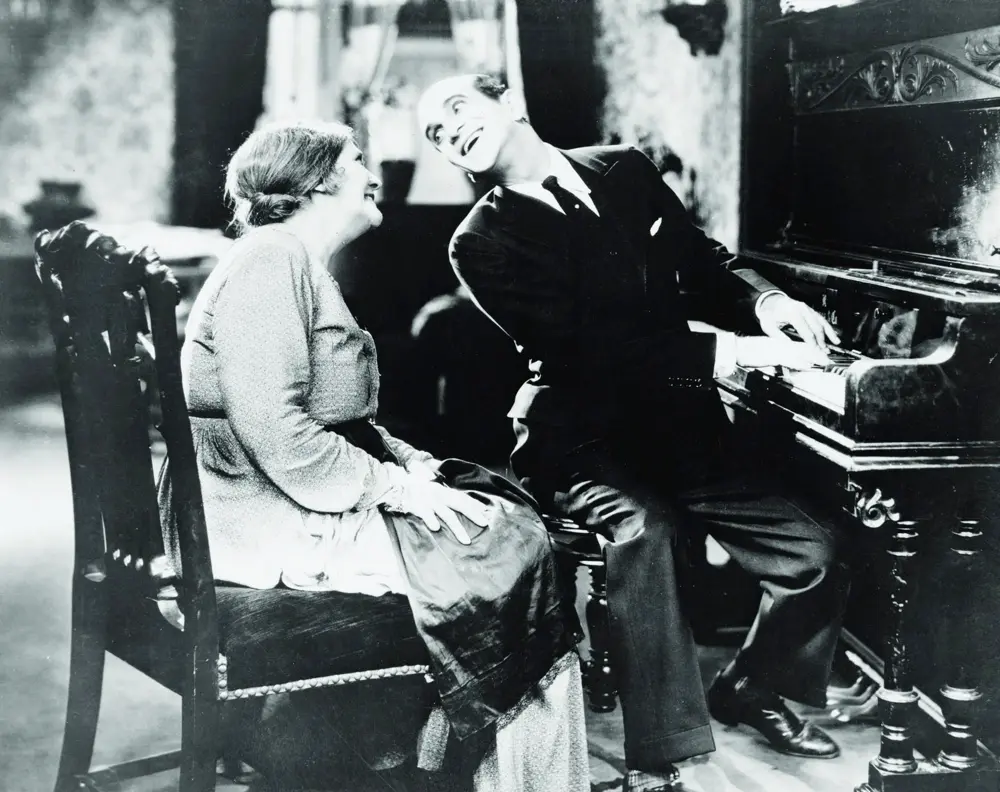
One specific moment that stands out is the "Blue Skies" sequence. Jolson sits at the piano, improvising dialogue with his mother, played by Eugenie Besserer. It feels startlingly modern compared to the stiff, over-acted silent portions of the film. The way he teases her, the way she reacts with genuine surprise—this was the birth of naturalism in film. It makes you realize why audiences in 1927 were literally falling out of their seats. They weren't just watching a story; they were hearing a ghost come to life.
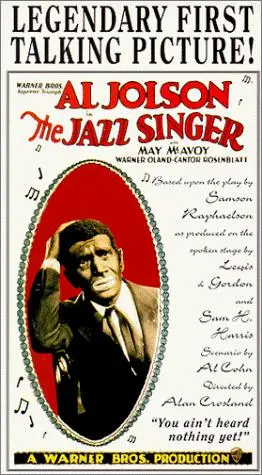
At its core, the film is about the immigrant experience. Jack Robin is a man trying to outrun his shadow. Warner Oland, as the stern Cantor Rabinowitz, represents a tradition that is both beautiful and suffocating. The tension between the synagogue and the stage is palpable. Unlike some lighter fare of the time, such as Alias Ladyfingers, this movie treats its central conflict with a heavy, almost Shakespearean gravity.
The scene where Jack returns home for his father's birthday is a masterclass in domestic tension. The silence of the father is more deafening than the songs. It highlights the tragedy of the American dream: to gain the world, Jack must lose his family. This isn't just a musical; it's a melodrama that asks if assimilation is worth the erasure of one's soul. It’s heavy stuff for a movie often remembered just for its technical gimmicks.
We cannot discuss The Jazz Singer without addressing the blackface. It’s uncomfortable. It’s painful. For a modern viewer, seeing Jolson apply the burnt cork is a moment that pulls you right out of the narrative. Paradoxically, within the context of the 1920s, this was Jack Robin's way of "hiding" his Jewishness to become a generic American entertainer. It’s a layers-deep irony: a Jewish man using a caricature of a Black man to find his own voice.
However, the film doesn't apologize for it. It presents it as the pinnacle of Jack's success. This makes the film a difficult watch. You have to balance the technical achievement against the social reality of the era. It works as a document of its time, but it’s flawed by its blind spots. It is a reminder that progress in one area—technology—does not always mean progress in another—humanity.
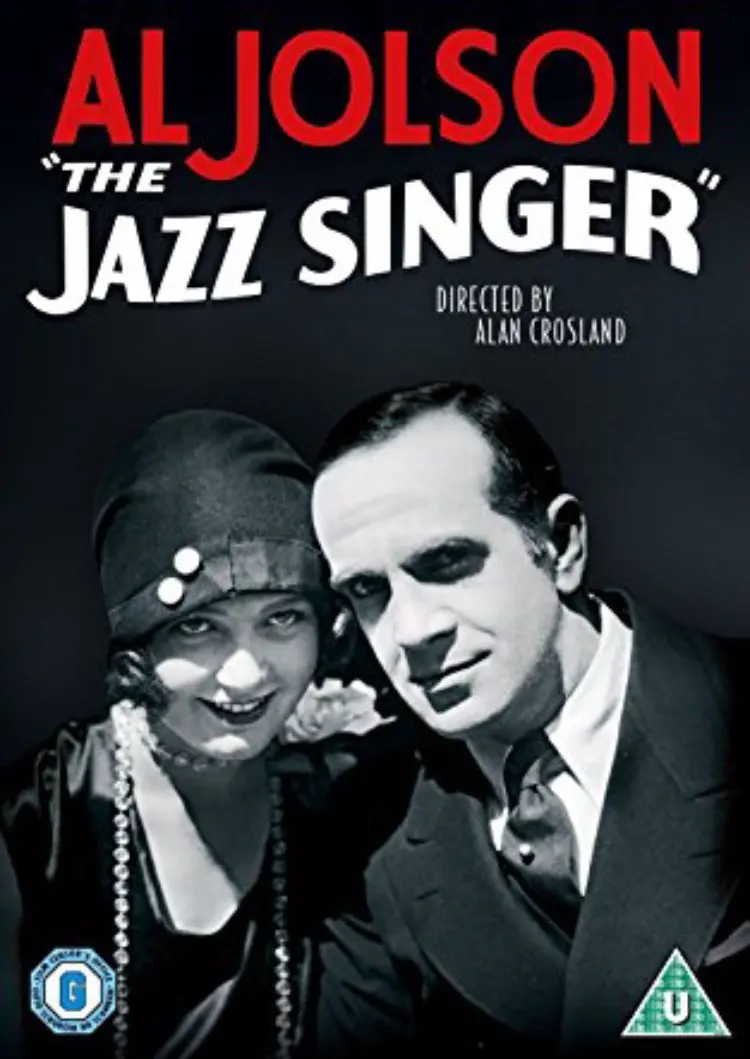
Alan Crosland’s direction is, for the most part, standard for 1927. The camera is often static, hampered by the massive soundproof booths required to house the noisy cameras of the time. This gives the film a theatrical, almost claustrophobic feel. Compared to the more fluid cinematography found in A Fight for Millions, The Jazz Singer feels a bit regressive in its visuals. The sound was a leap forward, but it forced the camera to take two steps back.
The pacing is uneven. The silent sequences drag, especially the early scenes of Jakie as a child. It isn't until Jolson appears on screen that the film finds its pulse. Jolson is a force of nature. He’s loud, he’s hammy, and he’s utterly magnetic. He has a way of looking directly into the lens that makes you feel like he’s performing just for you. It’s a charisma that transcends the grainy footage.
If you are looking for entertainment, probably not. The Jazz Singer is a chore at times. The melodrama is thick enough to choke on, and the racial elements are a minefield. But if you want to understand why movies look and sound the way they do now, it is essential viewing. It is the bridge between the era of The Immovable Guest and the modern blockbusters of today.
You watch this film for the moments where the sound kicks in. You watch it to see the look on May McAvoy's face when she hears Jolson sing for the first time. You watch it to see a world that no longer exists—a world of vaudeville, Cantor's songs, and a burgeoning Broadway. It is a time capsule that is both fascinating and repellent.
Pros:
Cons:
The Jazz Singer is a broken masterpiece. It is a film that achieved immortality by destroying the medium that birthed it. It killed the silent film—an art form that was just reaching its peak with films like Morphium—and replaced it with something noisier and more human. It is messy. It is offensive. It is brilliant. It is a movie that demands to be seen once, studied twice, and debated forever. It’s not a comfortable watch, but it’s an essential one. You ain't heard nothin' yet, but after this, you'll never hear movies the same way again.
IMDb —
1919
Community
Log in to comment.