Tom Bret
United States
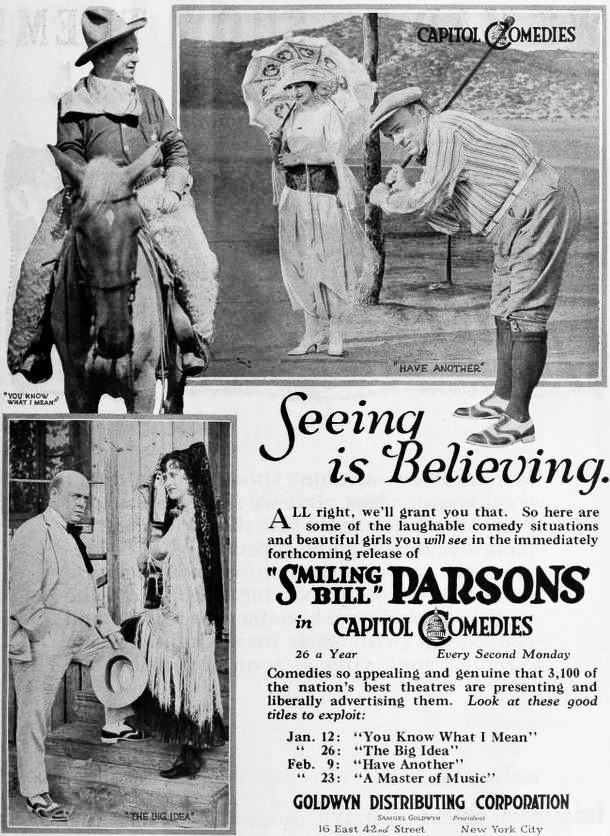
The Big Idea: A Luminous Descent into the Human Psyche From the very first frame, 'The Big Idea' announces itself not merely as a film, but as an intellectual provocation, a cinematic gauntlet thrown at the feet of an audience perhaps too comfortable with the established paradigms of science fiction. Tom Bret,...

Comparing the cinematic DNA and archive impact of two defining moments in cult history.
Unknown Director

Unknown Director
Community
Log in to comment.
" The Big Idea: A Luminous Descent into the Human Psyche From the very first frame, 'The Big Idea' announces itself not merely as a film, but as an intellectual provocation, a cinematic gauntlet thrown at the feet of an audience perhaps too comfortable with the established paradigms of science fiction. Tom Bret, the architect of this intricate narrative, has fashioned a world both disturbingly familiar and terrifyingly alien, a testament to a writer’s ability to extrapolate present anxiet..."
Unknown Director