DbcultAccessing Vault...
Cult Review
Senior Film Conservator
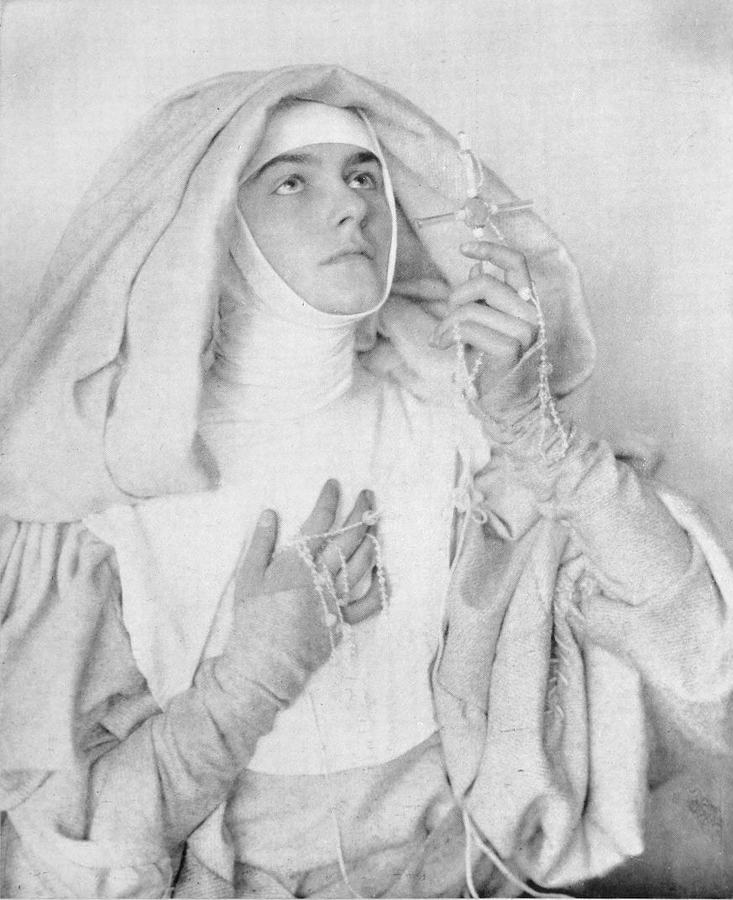
The year 1918 stood as a sentinel at the crossroads of Victorian morality and the burgeoning modernism of the post-Great War era. In this volatile cultural landscape, Ave Maria emerged not merely as a silent melodrama, but as a profound interrogation of the ties that bind us—both biological and emotional. Directed with a steady hand and written by the astute Reuben Gillmer, the film navigates the treacherous waters of class, memory loss, and the serendipitous nature of fate. It is a work that demands a sophisticated palate, eschewing the simplistic binaries of contemporary penny dreadfuls for something far more nuanced and haunting.
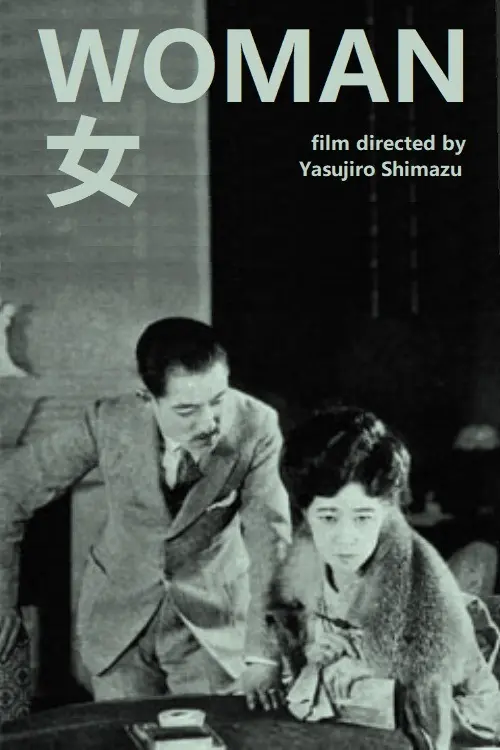
At the heart of this narrative is the clinical void of the doctor’s mind. Amnesia, a trope that would later become a staple of soap operatics, is handled here with a startling level of gravity. Roy Travers portrays the doctor with a hollowed-out intensity that suggests a man haunted by the ghost of himself. His inability to recognize his former sweetheart—the very woman now marrying into the knightly class—serves as the film’s central irony. Unlike the more visceral struggles seen in The Woman and the Beast, the conflict here is internal, a silent war fought behind the eyes. The physician’s blank slate contrasts sharply with the rigid, history-heavy world of the knight, played with magisterial weight by William Lugg.
The revelation of the heroine’s true identity—that she is the knight’s granddaughter—is a masterstroke of dramatic irony. While the plot beats might remind some of the Gothic undertones found in Jane Eyre, Ave Maria leans more heavily into the tragic potential of missed connections. Rita Johnson delivers a performance of ethereal grace, capturing the vulnerability of a woman caught between two worlds. She is both the catalyst for the knight's redemption and the victim of the doctor's neurological erasure. The tension is palpable; every scene where the grandfather and granddaughter interact without knowing their bond is thick with a pathos that few films of the era managed to achieve.
Reuben Gillmer’s screenplay (or scenario, in the parlance of the time) is a marvel of economy and depth. In an era where intertitles often did the heavy lifting, Ave Maria allows the visual composition to speak. The juxtaposition of the sterile, cold medical environments with the opulent, stifling manor of the knight creates a visual dichotomy that mirrors the characters' internal states. We see echoes of this stylistic ambition in other contemporary works like Anna Karenina (1918), yet Ave Maria feels more grounded in a specifically British sensibility of repressed emotion and duty.
The supporting cast, including Sydney Lewis Ransome and Concordia Merrel, provides a robust framework for the central trio. Merrel, in particular, offers a performance that avoids the histrionics common in silent cinema, opting instead for a subtle realism that anticipates the naturalistic turn of the 1920s. There is a sense of lived-in history here, a far cry from the more fantastical elements of Satan Sanderson or the adventurous spirit of Nankyoku tanken katsudô shashin.
One cannot discuss Ave Maria without acknowledging its spiritual undertones. The title itself suggests a plea for intercession, a cry for a divine hand to untangle the knotted threads of these lives. This religious dimension adds a layer of solemnity that distinguishes it from the more secular tragedies of Camille (1915). The film asks whether we are merely the sum of our memories or if there is an indelible soul that persists even when the mind fails. When the doctor looks upon the girl he once loved and sees only a stranger, the film touches on a primal horror—the loss of the self through the loss of the other.
Comparison Note: While It Is Never Too Late to Mend deals with the reformation of the character through external hardship, Ave Maria focuses on the internal restoration of the family unit through the painful process of remembrance.
The pacing of the film is deliberate, almost meditative. It does not rush toward its climax but allows the weight of the secrets to build. This slow-burn approach might alienate those accustomed to the frantic energy of The Cossack Whip, but for the discerning viewer, the payoff is significantly more resonant. The cinematography captures the flickering light of the era with a painterly quality, using shadows to emphasize the doctor’s mental fog and the knight’s looming authority. It lacks the sugary artifice of Susie Snowflake, opting instead for a gritty, albeit polished, verisimilitude.
In the broader context of silent cinema, Ave Maria stands as a testament to the sophistication of early 20th-century British filmmaking. It avoids the pitfalls of moralistic lecturing found in Race Suicide, choosing instead to explore the complexities of human relationships with a degree of empathy that feels remarkably modern. The film’s exploration of the "fallen" or "lost" woman trope is handled with more dignity than the provocative Lulu (1918), focusing on her agency within the constraints of her newfound social status.
The final act of the film is a crescendo of emotional revelation. As the doctor’s memory begins to fracture and reform, the collision between his past and the heroine’s present creates a cinematic spark that is rare for the period. It is a moment of profound recognition—not just of a lover, but of a social reality that has been irrevocably altered. The knight’s heir, often a forgotten figure in the analysis of this film, serves as a poignant reminder of the collateral damage caused by these grand melodramatic shifts. His position, while privileged, is ultimately hollow, as he is married to a woman whose heart belongs to a phantom of the past.
The film’s conclusion does not offer easy answers. It suggests that while bloodlines can be restored and titles reclaimed, the scars of lost time and forgotten love remain. This bittersweet quality is what elevates Ave Maria above its peers. It shares a certain melancholic DNA with A Dream or Two Ago, yet it possesses a stronger narrative backbone. It is a film about the persistence of the self against the eroding forces of time and trauma.
William Lugg’s performance remains one of the most compelling aspects of the production. His ability to convey a lifetime of regret through a single look is the hallmark of a master of the silent screen. Beside him, H. Manning Haynes and A.B. Imeson provide the necessary friction to keep the plot moving, ensuring that the melodrama never veers into stagnation. The ensemble works with a synchronicity that is often lacking in the more star-focused vehicles of the time, such as The Candy Girl.
Ultimately, Ave Maria is a film that rewards multiple viewings. Its layers of meaning, from the socio-political implications of the knight's lineage to the psychological depth of the doctor's amnesia, provide a rich field for analysis. It is a vital piece of cinematic history that deserves to be remembered alongside the great works of the era, such as the Norwegian classic Unge hjerter or the German familial dramas like Vater und Sohn.
In the pantheon of 1918 cinema, Ave Maria shines as a beacon of narrative complexity. It is a film that understands the fragility of the human condition and the enduring power of the past. For those willing to look past the grain of the film stock and the absence of spoken word, there is a world of profound beauty and devastating sorrow waiting to be discovered. It is a testament to the power of visual storytelling and a reminder that even in the silence, there are stories that cry out to be heard. This is not just a relic of a bygone age; it is a living, breathing work of art that continues to resonate with the universal themes of identity, love, and the search for home.
IMDb 6.2
1931
Community
Log in to comment.