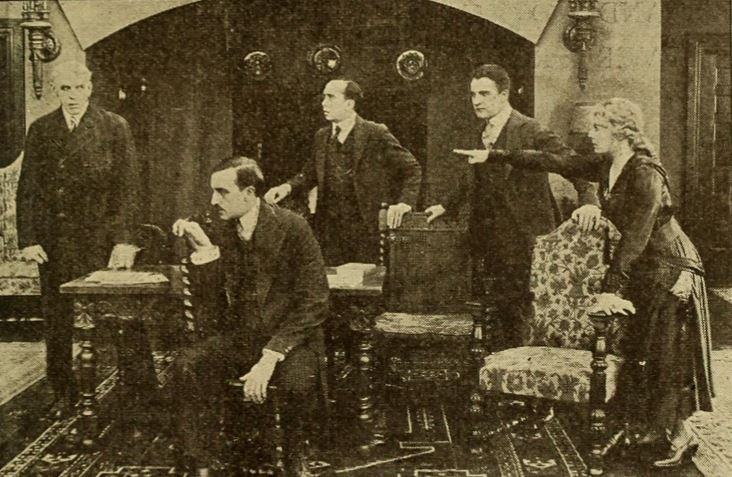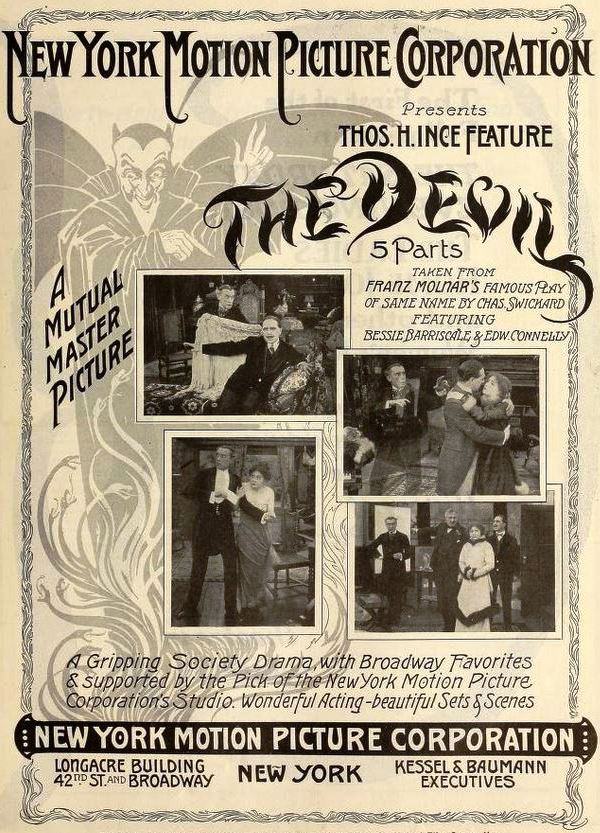
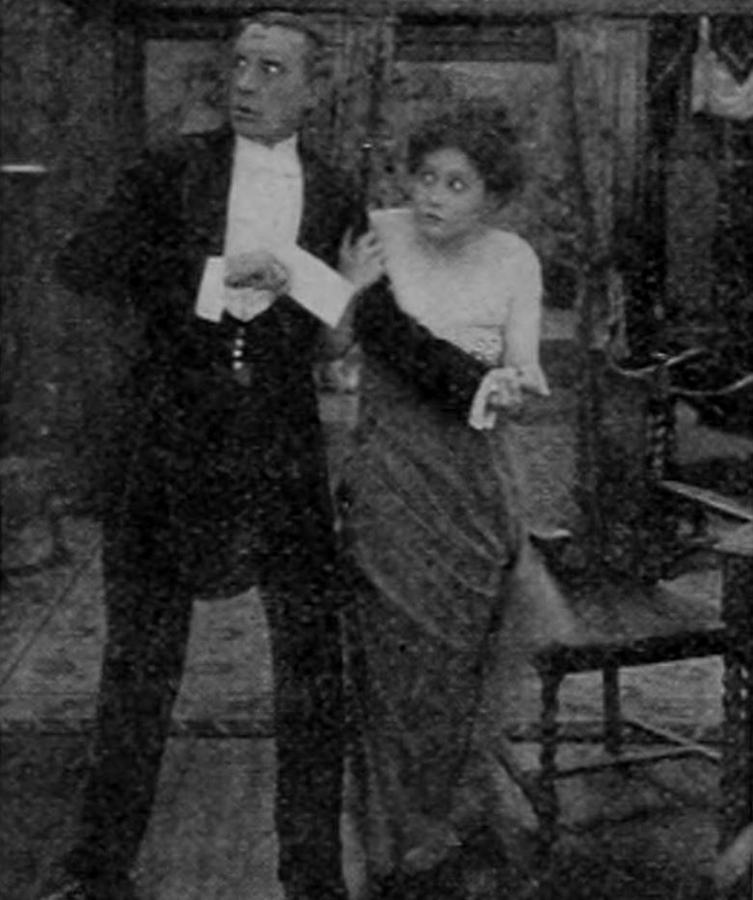
The Devil, in the guise of a human, meets a young couple who remark upon looking at a Renaissance painting of a martyr that Evil could never triumph over Good. The Devil, taking this as a challenge, decides to bring about the couple's downfall.
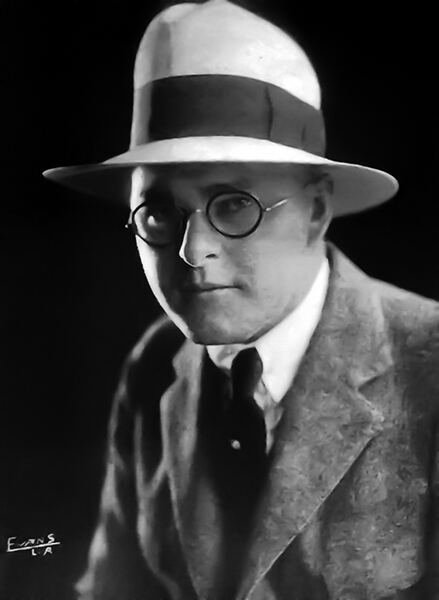
Charles Swickard, Thomas H. Ince, Ferenc Molnár
United States
In the fetid bloom of 1918, while Europe still choked on cordite and influenza, Thomas H. Ince and Charles Swickard smuggled a sulphurous parable onto American screens. The Devil—a title so blunt it feels like a brand—runs a scant fifty-one minutes yet etches itself into the marrow with the precision of a copperplate...
still_frame
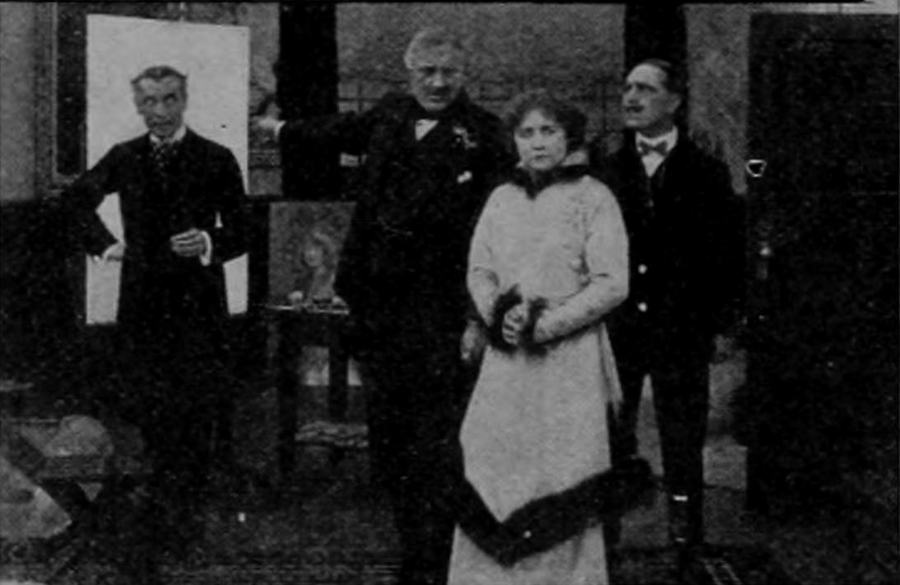
still_frame
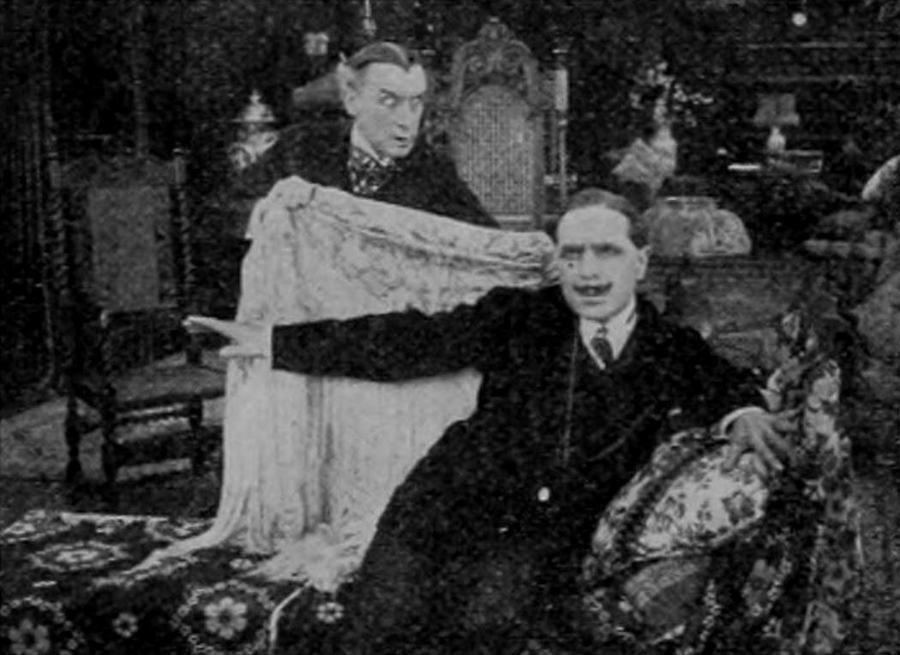
still_frame
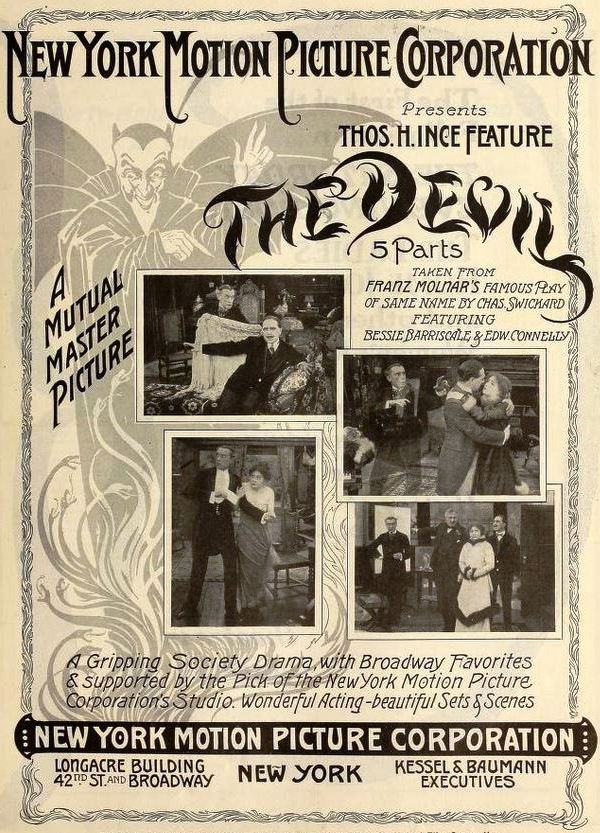
production_art
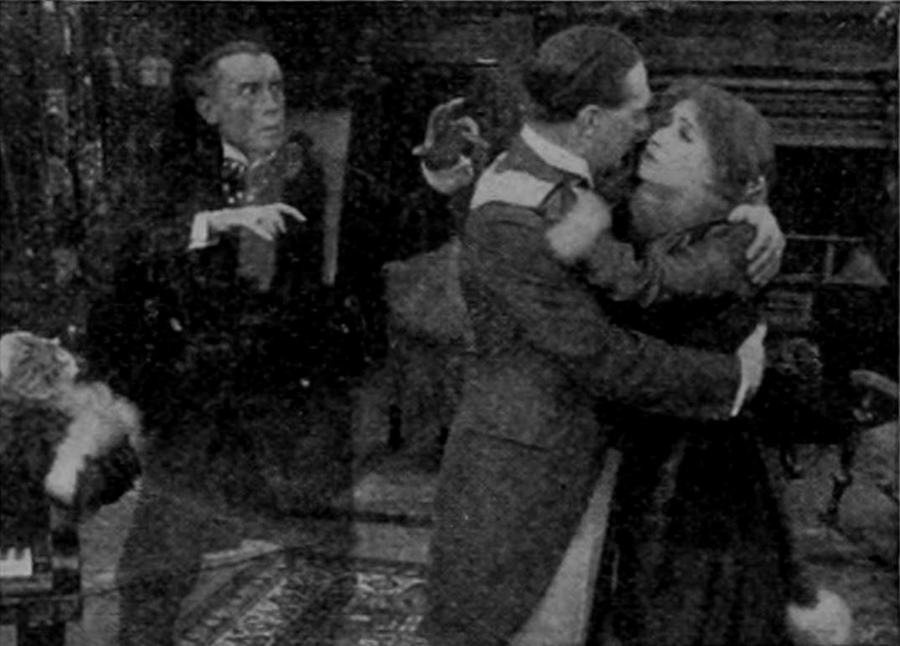
still_frame
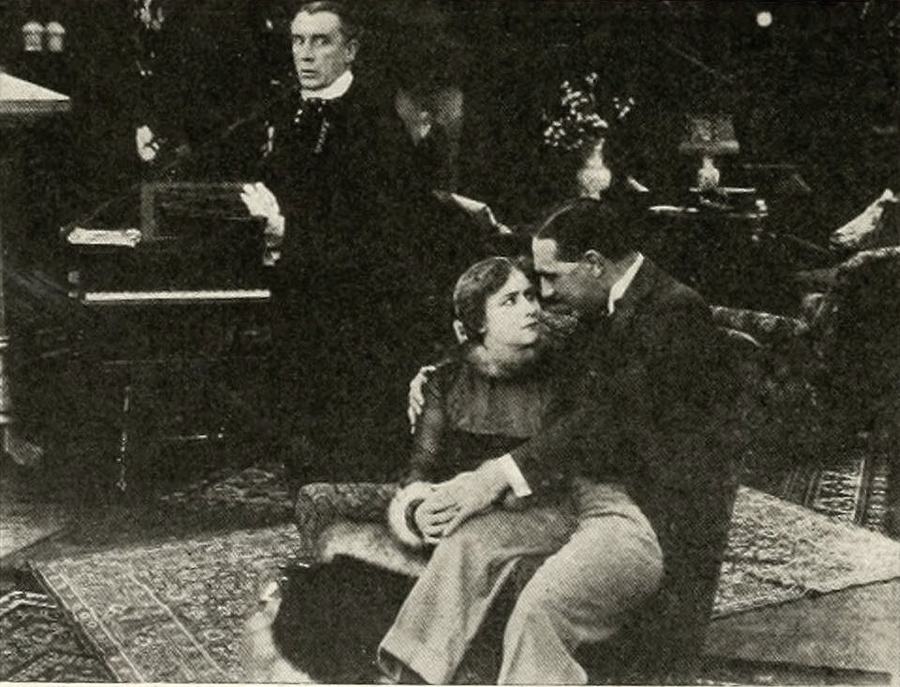
still_frame
Comparing the cinematic DNA and archive impact of two defining moments in cult history.
Reginald Barker
Reginald Barker
Community
Log in to comment.
" In the fetid bloom of 1918, while Europe still choked on cordite and influenza, Thomas H. Ince and Charles Swickard smuggled a sulphurous parable onto American screens. The Devil—a title so blunt it feels like a brand—runs a scant fifty-one minutes yet etches itself into the marrow with the precision of a copperplate engraving. It is less a morality play than a morality duel: a razor-sharp tête-à-tête between innocence and entropy, staged in drawing rooms and boudoirs where the wallpaper seems..."