DbcultAccessing Vault...
8.2/10
Senior Film Conservator
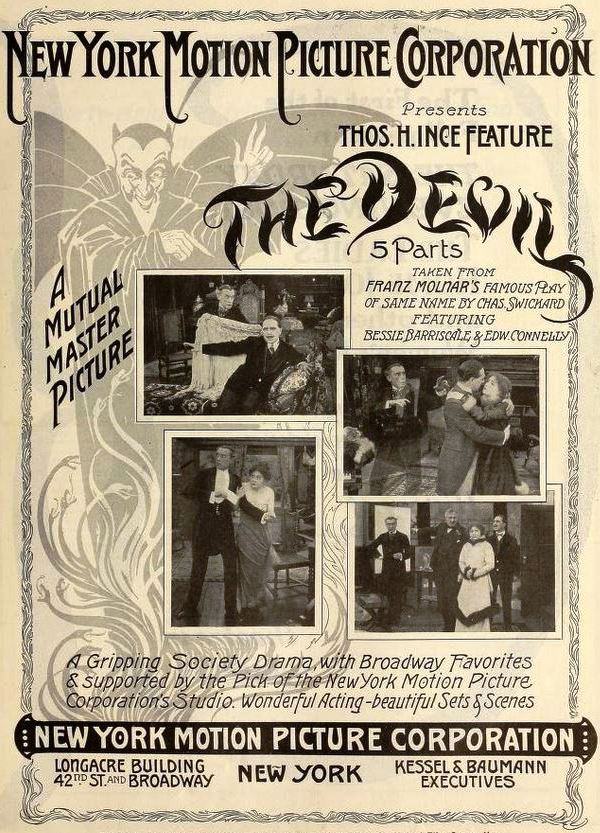
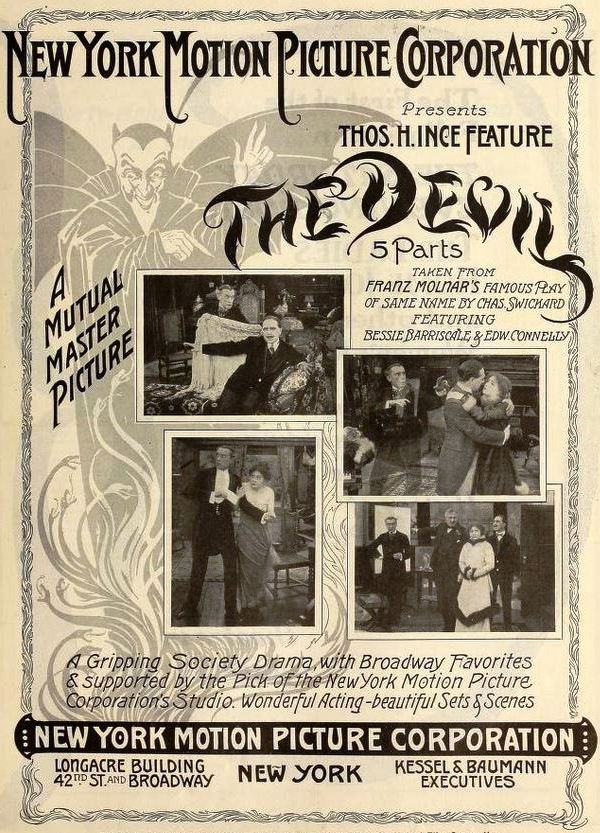
A definitive 8.2/10 rating for a film that redefined the boundaries of cult cinema. The Devil remains a cornerstone of transgressive art.
In the fetid bloom of 1918, while Europe still choked on cordite and influenza, Thomas H. Ince and Charles Swickard smuggled a sulphurous parable onto American screens. The Devil—a title so blunt it feels like a brand—runs a scant fifty-one minutes yet etches itself into the marrow with the precision of a copperplate engraving. It is less a morality play than a morality duel: a razor-sharp tête-à-tête between innocence and entropy, staged in drawing rooms and boudoirs where the wallpaper seems to perspire.
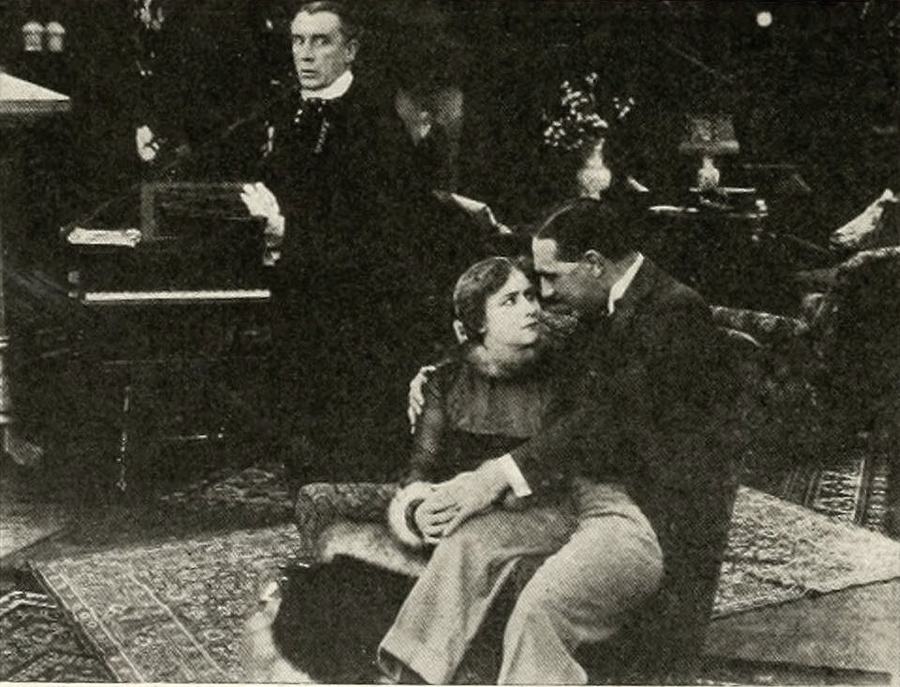
Arthur Hollingsworth’s unnamed Devil—no horns, no forked tail, only a tuxedo that fits like a litigation—materialises beneath the vaulted arches of an art gallery. The camera, reverent as a novitiate, lingers on a Renaissance martyr: skin parchment-thin, eyes rolled heavenward, mouth slack with ecstasy rather than pain. The couple, played by Clara Williams and Arthur Maude, deride the relic’s naïveté. Their laughter is flimsy, a porcelain thing; the Devil catches it mid-air, pockets it, and begins his slow siege.
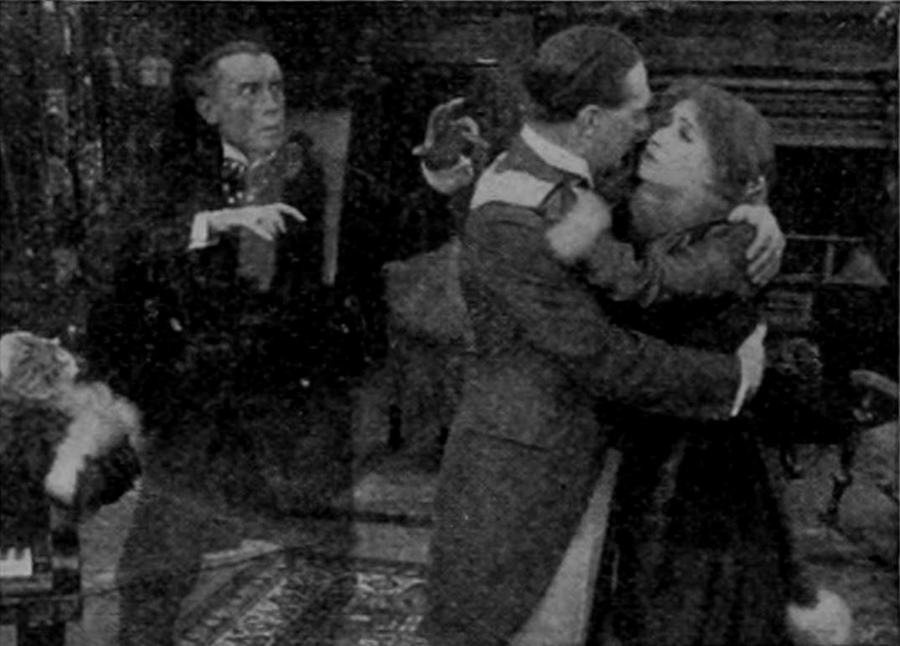
What follows is not temptation in the gilt, Miltonic sense but something more corrosive: the gift of seeing oneself through the prism of another’s contempt. The Devil never commands; he curates. A whispered rumour here, a forged ledger there, until the lovers’ private language turns babylonian. Ince’s montage—radical for ’18—juxtaposes the couple’s first kiss with their later silence across a breakfast table, toast curling like old parchment. The editing scissors seem handled by Fate itself.
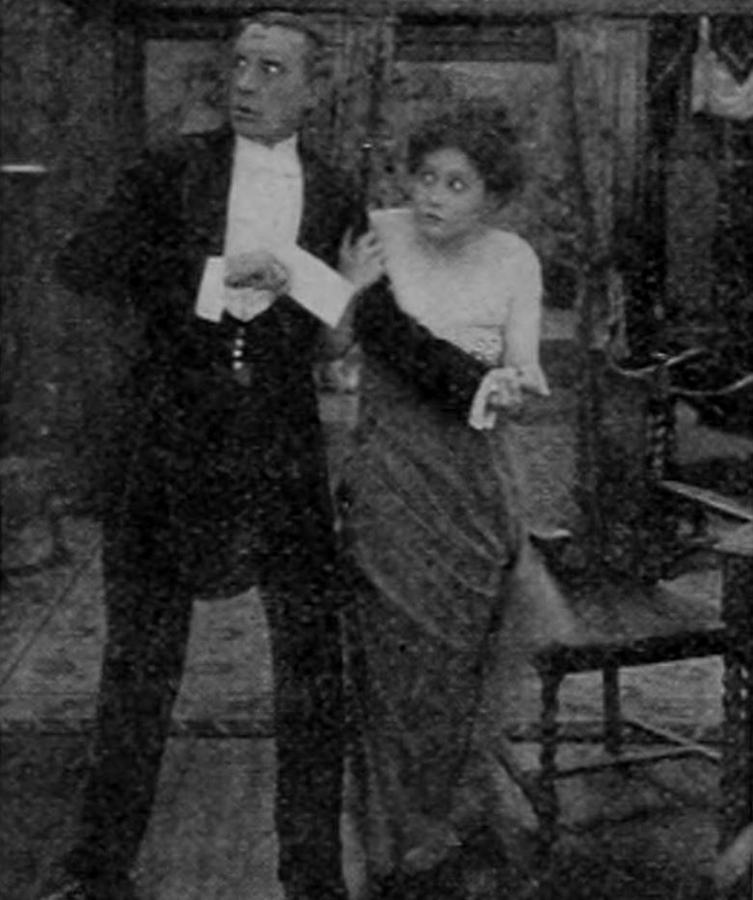
Hollingsworth is mesmeric, all languid wrists and cadence of a man who has read every diary ever written. His villainy is bespoke: he doffs his hat as if bestowing benediction, and when he smiles the dimple looks like a wound that never healed. Opposite him, Clara Williams transmutes from champagne effervescence to porcelain fragility without ever courting pity. Watch her pupils in the close-up as she realises her fiancé has gambled away her dowry: the iris seems actually to discolour, a bruise blooming in real time.
Edward Connelly, as the cuckolded guardian angel of a lawyer, provides the film’s sole moral ballast, yet even he is tainted—his eyes flicker with the same voyeuristic thrill that animates the Devil. Nobody gets out unscathed; that is the picture’s bleak genius.
Cinematographer Chester A. Lyons conjures chiaroscuro worthy of Caravaggio on a budget that wouldn’t cover today’s catering. Candlelight carves obsidian troughs into faces; shadows pool like spilt absinthe. When the Devil seduces the heroine at a masquerade, the frame blooms with harlequin shards—yellow, scarlet, viridian—until the colours themselves seem to gasp. The shot is hand-tinted, frame by frame, a fever dream that prefigures the psychedelic without ever relinquishing its celluloid corset.
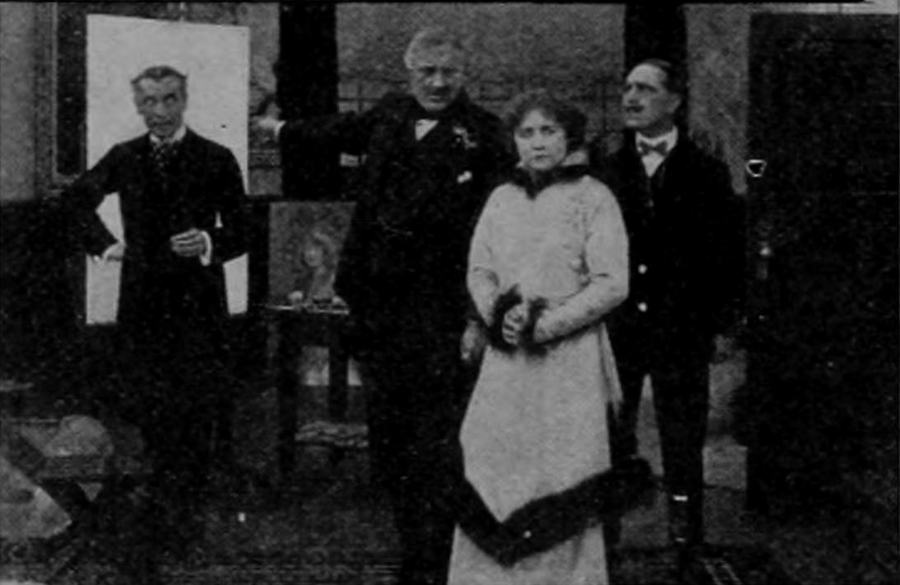
Compare this to Othello’s stately monochrome or the papal pageantry of His Holiness; The Devil opts for gutter glamour, proving that sin, like mildew, thrives in the damp corners of the soul.
Ferenc Molnár’s Hungarian source play is filleted but not flayed. Swickard retains the epigrammatic snap: “Goodness is simply the badness that’s run out of imagination.” Intertitles arrive like poisoned bonbons—white font on black, terse as suicide notes. The economy is ruthless; every syllable earns its keep. When the heroine writes her final letter, the intertitle simply reads, “I believed in tomorrow because I had never seen it.” One sentence, and the auditorium exhales as if gut-punched.
Archival prints screened at Pordenone featured a new score by Aleksander Kolkowski—violin strings scraped with silver wire, bass notes that throb like abscesses. The effect is infernal: every creak of a chair becomes a verdict, every rustle of taffeta a confession. If you catch a Blu-ray with the 1918 cue sheets, expect Wagnerian leitmotifs that club you over the skull; either way, silence itself becomes complicit, a co-conspirator pressing a pillow over your face.
Two years later, Faust would drench the screen in Teutonic brimstone, and by 1922 Nosferatu would transpose satanic appetite onto a rat-shaped silhouette. Yet The Devil remains the seed crystal: the first to propose that evil isn’t grotesque but gorgeous, that the serpent wears cologne, not scales. You can trace its DNA through Stuart Webbs’ vaults, through the corporate damnation of The Steel King, even through the ecclesiastical dread of Fides.
A 4K restoration by EYE Filmmuseum circulates via Criterion Channel every October, complete with the Kolkowski score. For the daring, an unrestored 35 mm print floats through secret cinema clubs—look for the tell-tale violet bloom on the intertitles. Avoid the Alpha Video DVD; its transfer is so anaemic it could be a consumptive ghost.
The film ends, as it must, with the painting: the martyr still impaled, still smiling. The camera dollies back until the Devil’s top-hat intrudes the frame, a black eclipse. He does not gloat; he simply straightens his gloves, turns, and exits toward the next wager. The screen fades, but the after-image lingers—an ember that refuses to cool. You stagger out aware that virtue’s armour is tissue-thin, that the gravest evil is the kind that lets you keep your halo while it picks your pockets.
In an age when malevolence arrives via doom-scroll, The Devil feels prophetic: a reminder that the most persuasive devils are those who never raise their voice, who convince you that every cruel impulse originated in your own breast. Watch it—twice if you can stomach the mirror—and then, perhaps, bolt your doors, not against the stranger outside, but against the one already warming his hands by your hearth.
IMDb —
1928
Community
Log in to comment.