DbcultAccessing Vault...
5.4/10
Senior Film Conservator
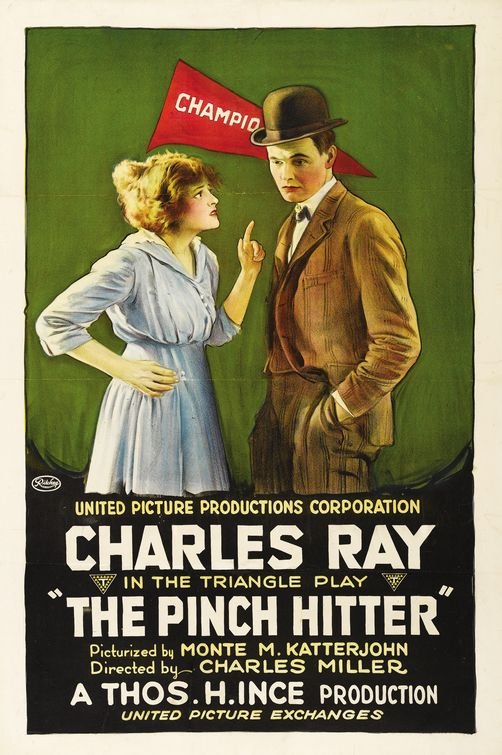
A definitive 5.4/10 rating for a film that redefined the boundaries of cult cinema. The Pinch Hitter remains a cornerstone of transgressive art.
Seventeen-minute reels seldom bruise the psyche, yet Jerome Storm’s The Pinch Hitter lands like a chin-high fastball: swift, startling, impossible to shrug off. What reads on paper as a rah-rah campus lark—bashful Joel Parker (Charles Ray) hoisted from shrub-thin obscurity to grand-slam glory—reveals itself, frame by sun-drenched frame, as a sly treatise on modern masculinity circa 1917, stitched together with slapstick, cigarette smoke, and the acid sweetness of first love.
The film’s first movement is all negative space: empty bleachers, a scoreboard yawning at zero, Joel’s pale fingers worrying the zipper of a too-large varsity jacket. Charles Ray—who specialized in hayseed strivers—plays diffidence with microscopic nuance: eyes flick up then bolt downward, shoulders fold inward as though the thorax itself were apologizing. You can practically smell the mothballs on the uniform he never gets to soil.
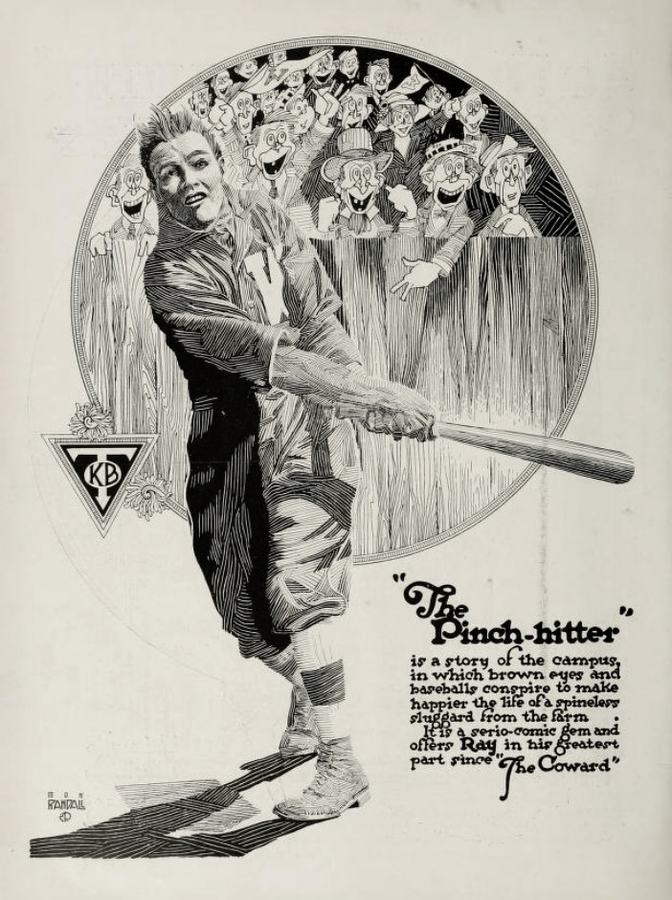
Enter Abbie Nettleton, essayed by Sylvia Breamer with a proto-femme swagger that would make even Pickford take notes. She swishes into the clubhouse aisle in a sailor-collar dress the color of sun-bleached lemons, wielding a parasol less as protection than interrogation. One poke of its tip against Joel’s sunken chest and the movie’s central transaction is inked: she will lend him her gaze until he learns to meet it. Their chemistry is less flirtation than calibration; every time she arches a brow, you sense a dial clicking inside his ribcage.
Storm and scenarist C. Gardner Sullivan comprehend that athletic myth is manufactured off-field. Note the brisk cut to a training montage—yes, they existed before Rocky—where Joel’s lank limbs pump primitive dumbbells under a canopy of cigar-chomping trustees. Intertitles crackle with slogans: “Weakness is only muscle waiting for an alibi.” The line is pure hokum, yet delivered without wink, which paradoxically makes it sting. You realize the picture is trafficking in the same huckster optimism that sold Liberty Bonds and toothpaste.
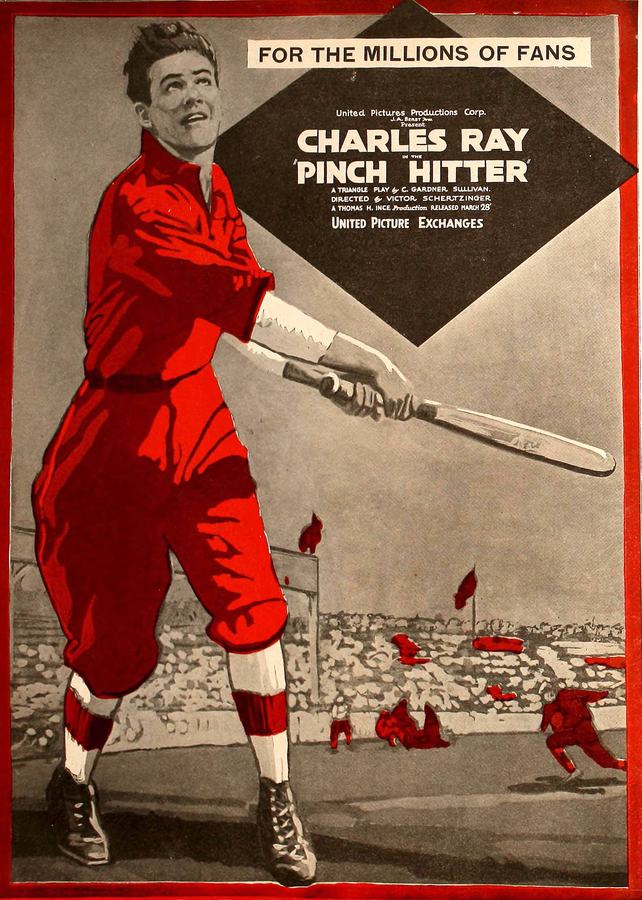
Crucially, the film refuses to let Joel’s transformation hinge on mere montage. The metamorphosis is social. Midpoint, he’s forced to substitute for the star slugger—Louis Durham’s cigar-store Adonis—after a moonlit fraternity prank sours. What follows is a seven-minute at-bat sequence that prefigures the slow-burn suspense of The Lords of High Decision, only here the battlefield is a chalk-striped diamond. Close-ups oscillate between Joel’s twitching knuckles and Abbie’s binoculars glinting like twin moons. Each foul tip ratchets tension; each called strike tightens the garrote of public expectation.
Restorationists at EYE Filmmuseum recently unearthed a 35mm nitrate struck from the original camera negative; their 4K scan bathes the film in tints whose logic is emotional, not temporal. Day exteriors glow with amber that feels almost edible, while night sequences drip with sea-blue melancholy. The chromatic schema peaks during Joel’s climactic homer: the frame flares into a molten dark orange just as bat meets horsehide, a synesthetic burst that makes victory taste like caramelized sugar.
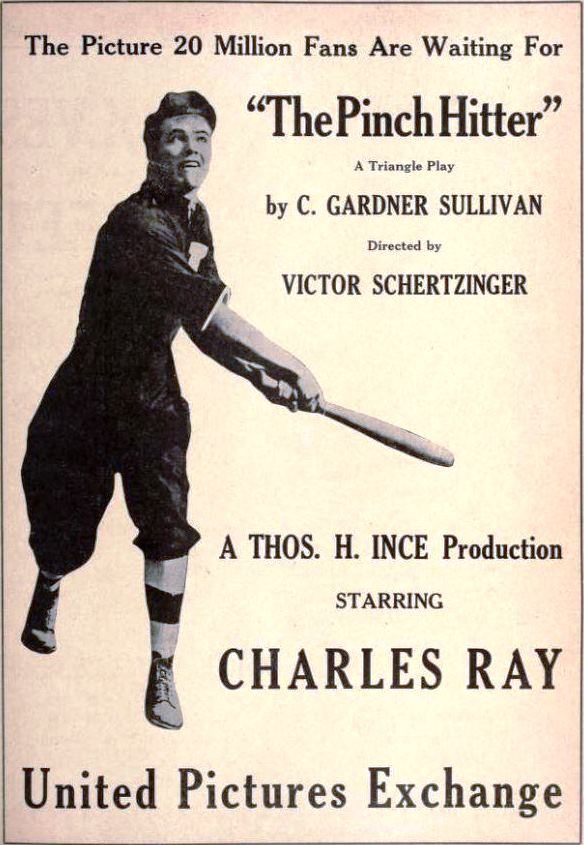
Compare this chromatic bravado to the monochrome restraint of The Failure (also 1917), where moral rot is signaled by the absence of tinting. Storm’s willingness to splash pigment underscores his conviction that sport is spectacle first, moral instruction second.
Silent cinema is often accused of trafficking in paper-doll femininity, yet Abbie Nettleton upends that canard. She doesn’t merely cheer; she scripts. Watch how she commandeers the scorecard, scribbling annotations that the camera insists we read. Her cursive—“Swing level, land on front foot”—becomes directorial notes for Joel’s body. In a medium where men usually grip the pen, here the woman authors the male physique, a gendered inversion that feels quietly revolutionary beside the more regressive sexual politics of Her Wayward Sister.
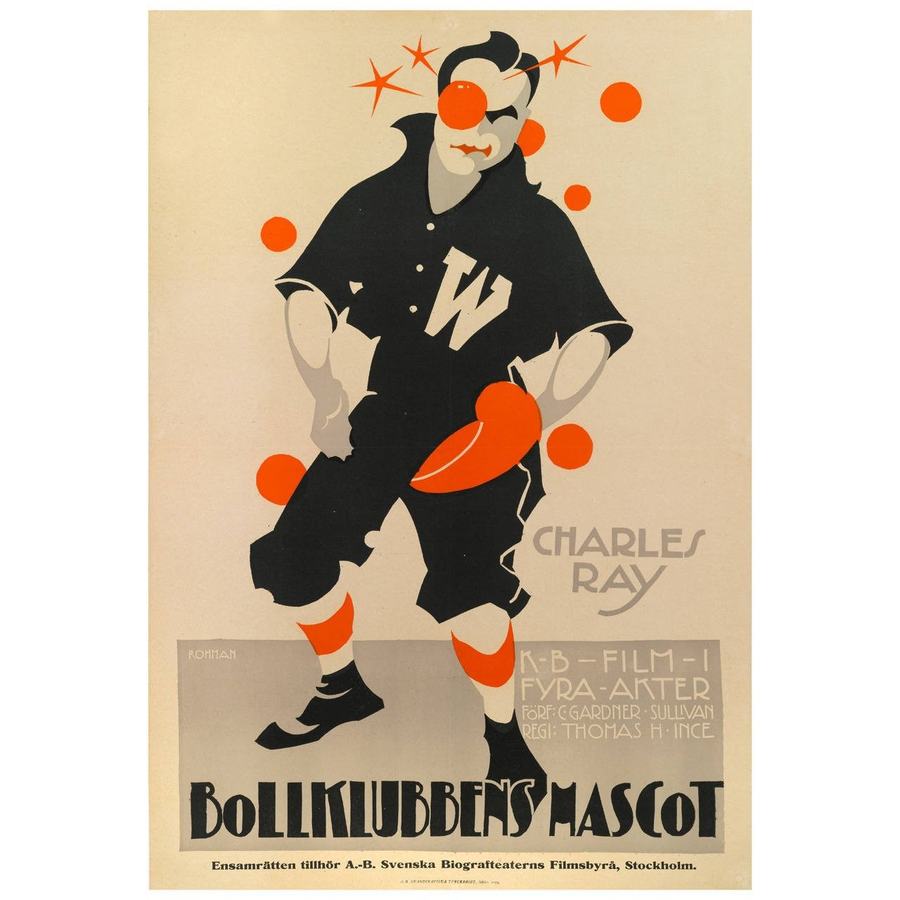
Breamer’s performance is layered with micro-gestures: the way she bites the cap of her fountain pen, the fractional nod after Joel fouls a curve into the stands. These tics telegraph calculation, not infatuation. The film’s true erotic charge lies less in clinches—there are none—than in the transference of willpower across a crowded diamond.
No silent melodrama is complete without a comic foil, and Aggie Herring’s gin-blossomed Aunt Lottie fulfills the mandate while slyly critiquing spectator culture. She barrels into the grandstand laden with enough picnic hampers to feed a small militia, her lap draped in gingham like a makeshift commissariat. Her running gag—misreading players’ names—turns geopolitical: she mistakes the Japanese shortstop for a Russian prince, encapsulating the era’s xenophobia in a punchline. The joke lands, then stings, because the film recognizes that fandom is often a refuge for unexamined tribalism.
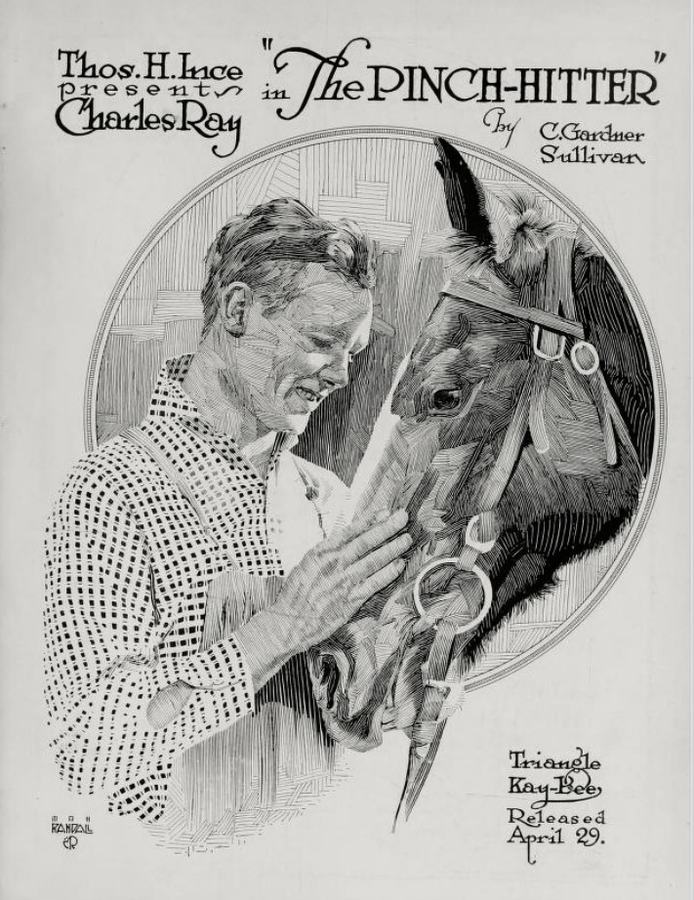
Editor Gilmore Walker eschews continuity for collision. He splices axial cuts of the pitcher’s wind-up with reaction shots of Joel’s Adam’s apple bobbing—an anatomical metronome counting down to crisis. The technique anticipates Eisenstein’s montage of attractions, yet Walker’s goal is not agitprop but subjectivity: we inhabit the batter’s vertigo. When the final crack of the bat detonates, Walker withholds the ball’s trajectory; instead we get a staccato burst of faces—Abbie, Aunt Lottie, the rival coach—each registering disbelief before the camera tilts up to reveal the sphere vanishing over the orange horizon. The home run is not seen but socially confirmed, a neat epistemological twist.
Though originally accompanied by house orchestras thumping Sousa pastiches, modern screenings benefit from curated scores that foreground the narrative’s emotional duality. At the 2023 Pordenone Silent Film Festival, the Mont Alto Motion Picture Orchestra debuted a cue sheet pivoting between ragtime exuberance and Satie-esque minimalism. When Joel steps to the plate, the strings sustain a single A-minor chord that quivers like a held breath, resolving only when the bat connects. The effect is secular transcendence, a sonic corollary to Abbie’s faith in latent greatness.
Fast-forward a century and you can trace Joel’s DNA in Rocky’s sprint up the Art Museum steps, in Roy Hobbs’s lightning-struck bat, even in Ted Lasso’s belief in biscuits and second chances. What distinguishes The Pinch Hitter from its descendants is the absence of cathartic loss; the film refuses the crucifixion narrative. Joel does not need to fail grandly to be reborn. He needs only an audience—Abbie’s binocular gaze—to convert potential into kinetic energy. It’s a democratic vision of selfhood that feels almost utopian beside the masochistic masochism of Trapped by the London Sharks.
As of this writing, the EYE Filmmuseum 4K restoration streams on Criterion Channel under the “Sports & Society” playlist. For purists, a 16mm print circulates among private collectors—check the Association of Moving Image Archists’ message board. Bootleg DVDs on eBay often crop from the Alpha Video master; avoid these—they’re cropped, dupey, and bereft of tinting. If you’re stateside, the UCLA Film & Television Archive hosts quarterly screenings with live piano accompaniment; tickets sell out faster than a spitball, so set calendar alerts.
Sure, Mary Jane’s Pa has rural charm, and Brigadier Gerard brandishes Napoleonic swagger, but neither distills the American mythos—self-reinvention under stadium lights—into such potent amber. The Pinch Hitter endures because it understands the primal calculus of spectatorship: we attend games not for arithmetic but for transfiguration, the fleeting moment when an ordinary body, spurred by another’s belief, transcends gravity and sends cowhide into orbit.
So the next time you’re tempted to dismiss a one-reel wonder, remember Joel Parker’s tremulous grin morphing into granite resolve. Remember that silent films weren’t mute; they were coiled conversations between iris and eye, between sea-blue longing and dark orange triumph. And remember that sometimes the shortest stories leave the longest shadows—especially when they’re swung on a hickory bat straight over the fence.
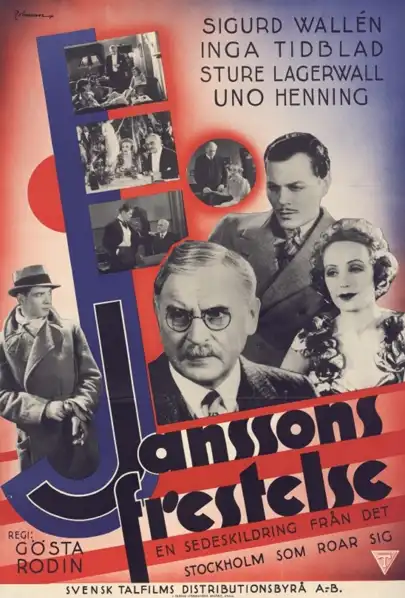
IMDb 4.7
1936
Community
Log in to comment.