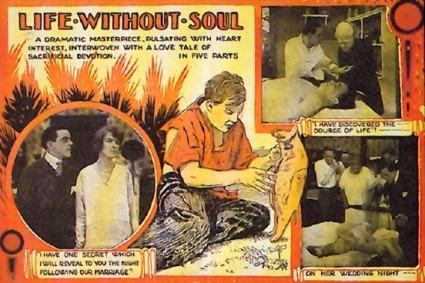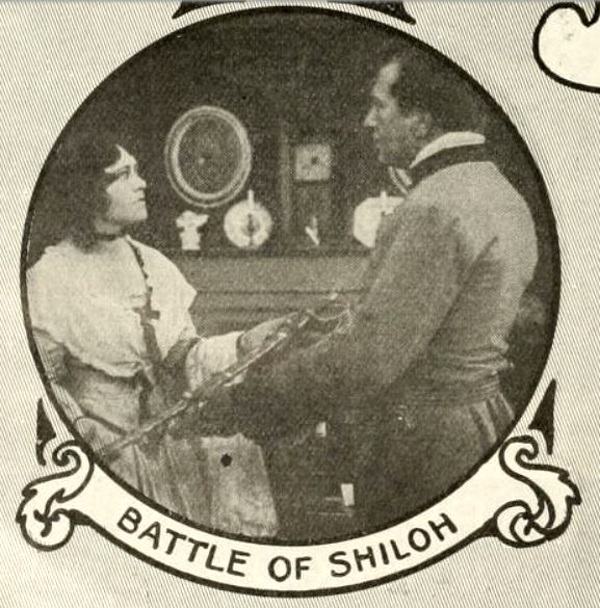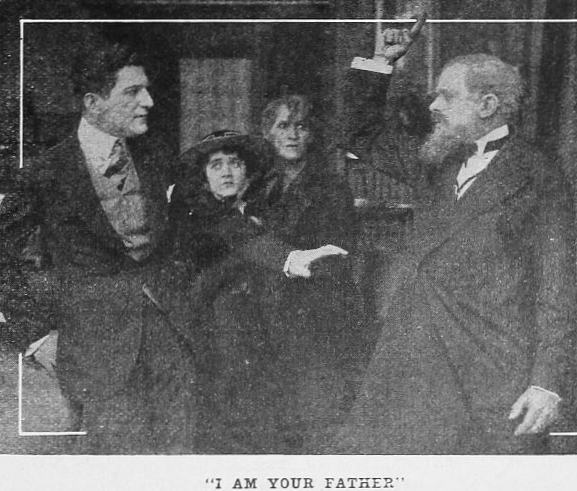
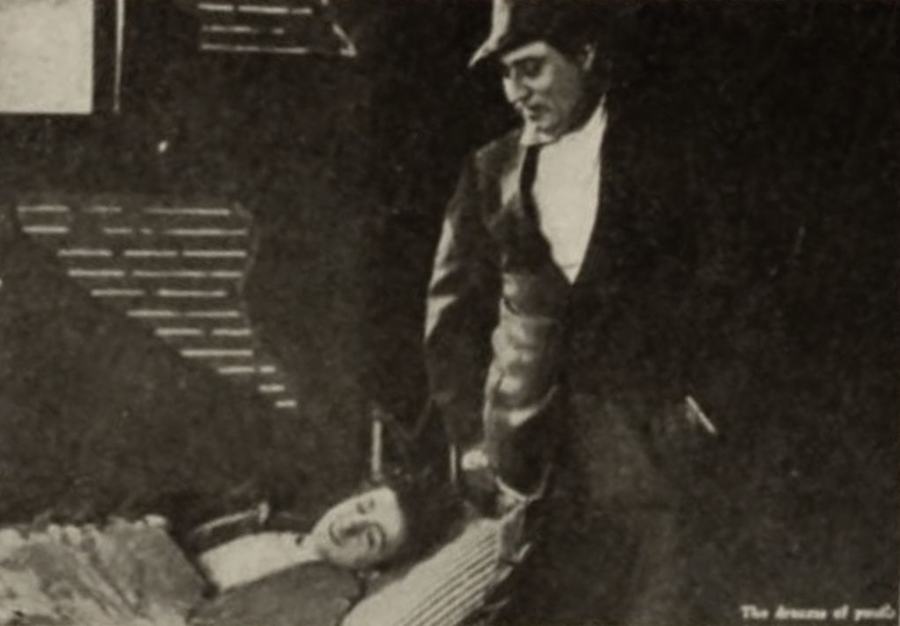
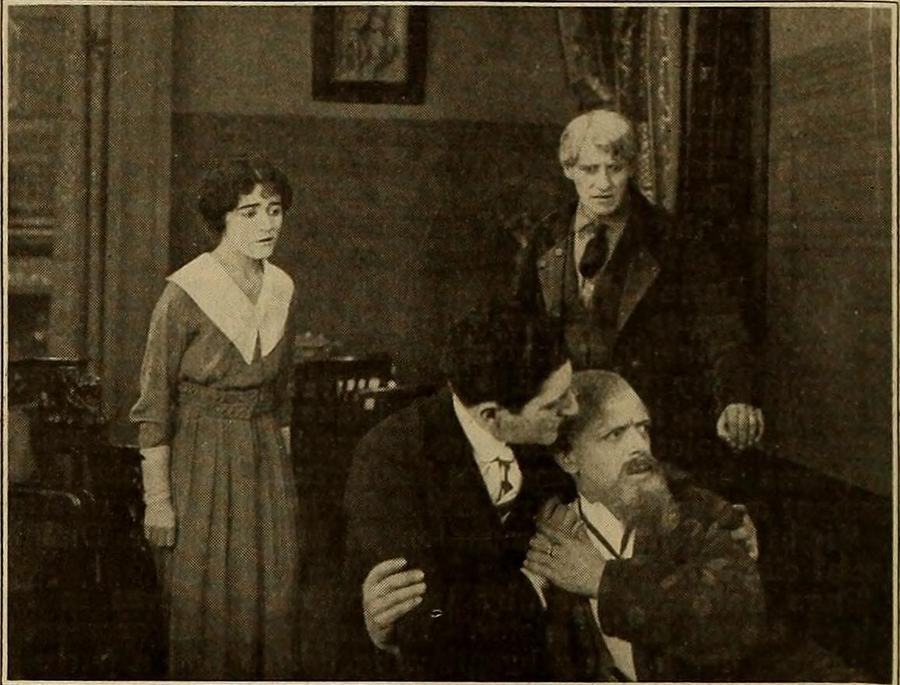
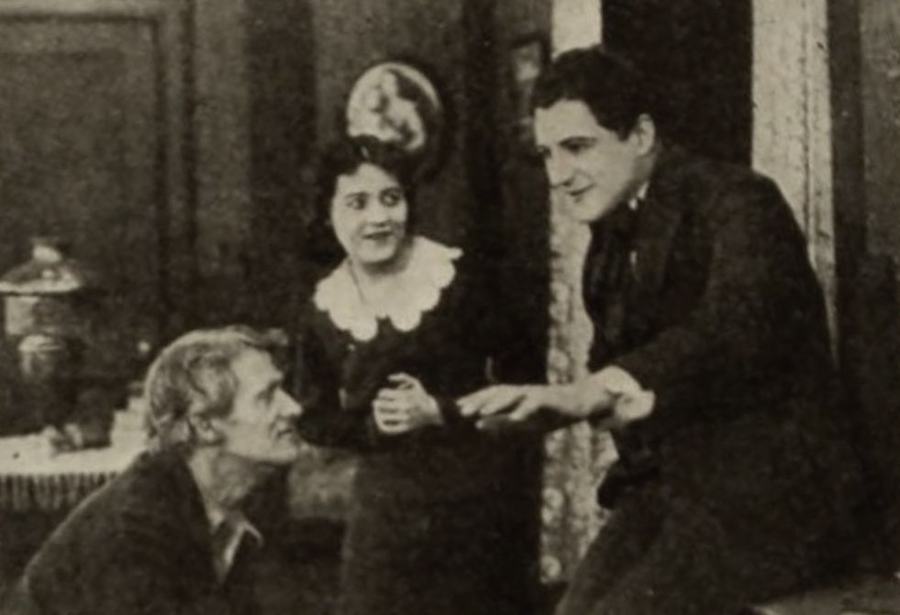
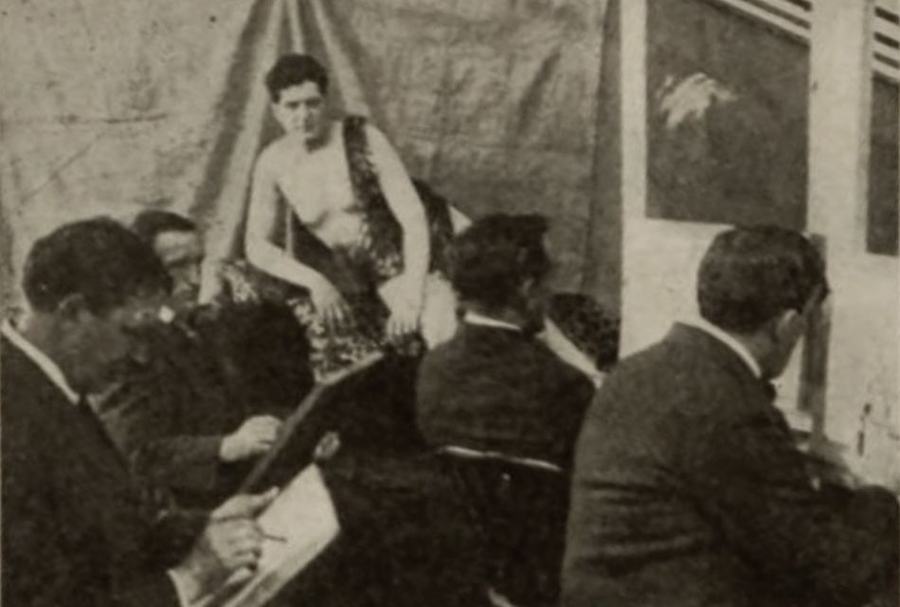
Young English boy Paul Kegsworthy lives with his brutal stepfather after his real father was thrown in jail. Paul eventually runs away and arrives in London, changing his name to Paul Savelli.
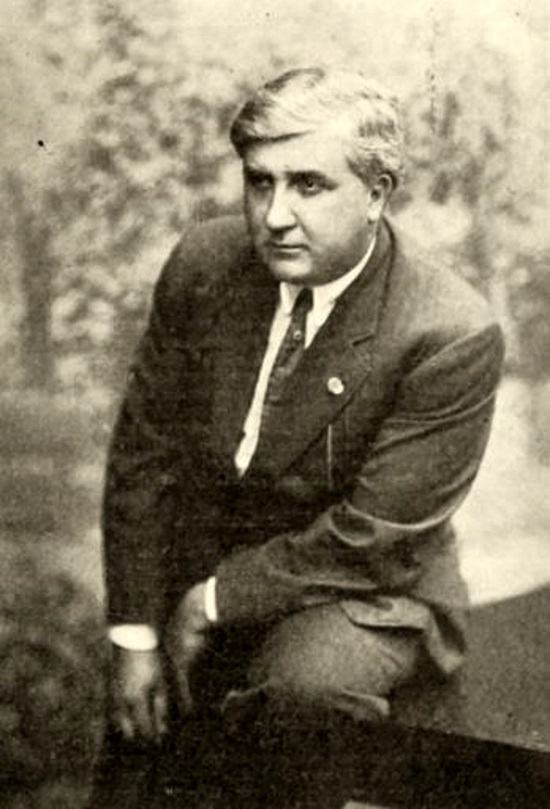
William J. Locke
United States
The 1917 adaptation of William J. Locke’s The Fortunate Youth stands as a towering, if occasionally overlooked, monolith of silent era storytelling. It is a film that refuses to be categorized simply as a 'rags-to-riches' fable, instead opting to interrogate the very nature of identity and the precariousness of socia...
still_frame
still_frame
still_frame
still_frame
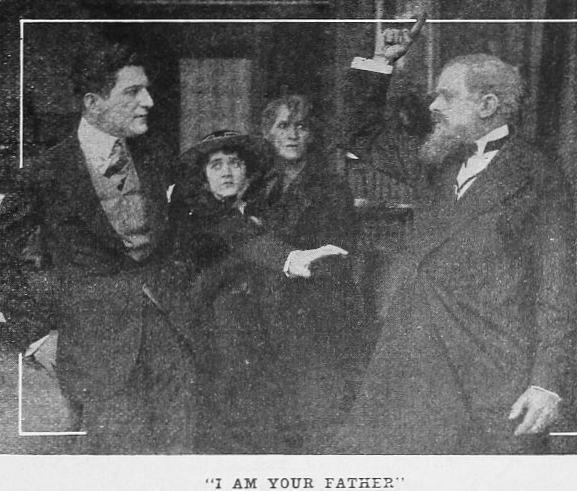
still_frame
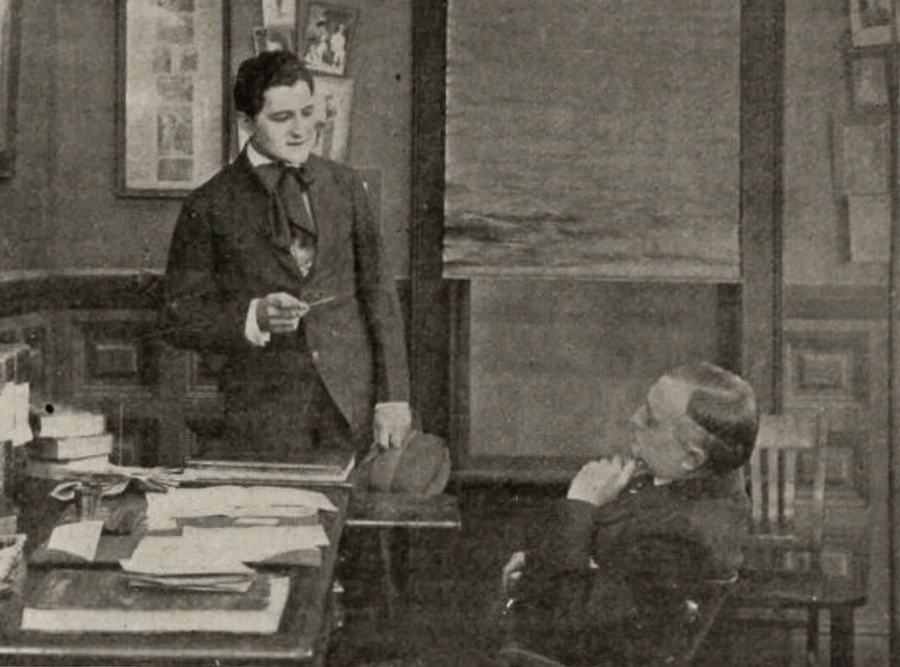
still_frame
Comparing the cinematic DNA and archive impact of two defining moments in cult history.
Joseph W. Smiley
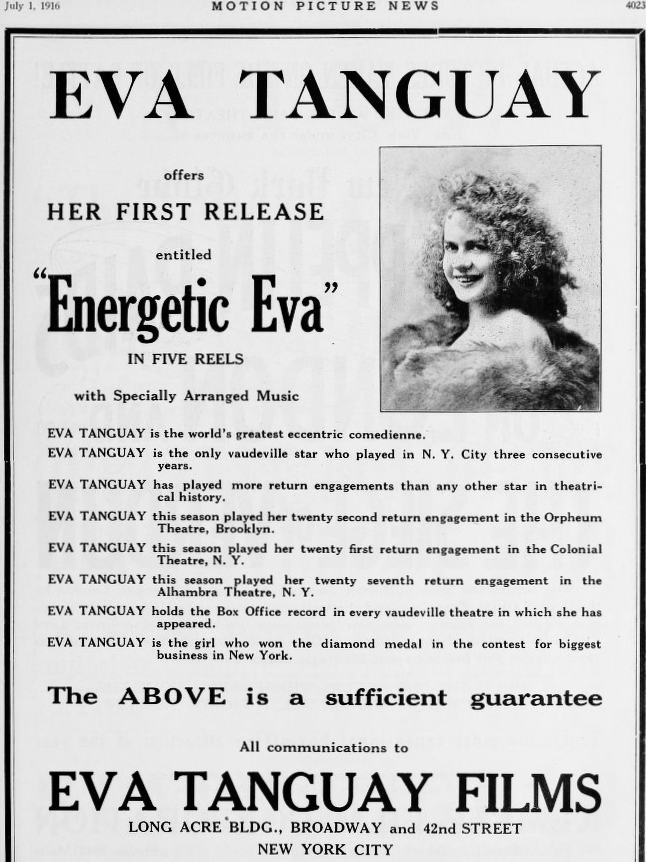
Joseph W. Smiley
Community
Log in to comment.
" The 1917 adaptation of William J. Locke’s The Fortunate Youth stands as a towering, if occasionally overlooked, monolith of silent era storytelling. It is a film that refuses to be categorized simply as a 'rags-to-riches' fable, instead opting to interrogate the very nature of identity and the precariousness of social mobility in a rigid Edwardian landscape. While many contemporary works of the era, such as The Chattel, focused on the transactional nature of human relationships, this film pivo..."
1916 · IMDb —
Joseph W. Smiley
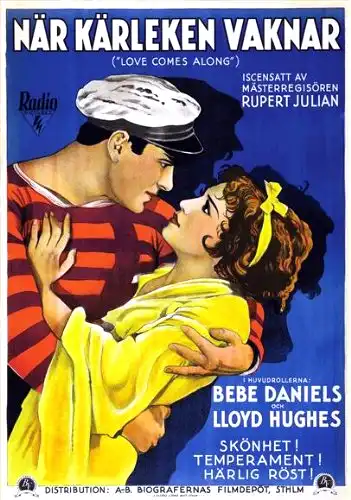
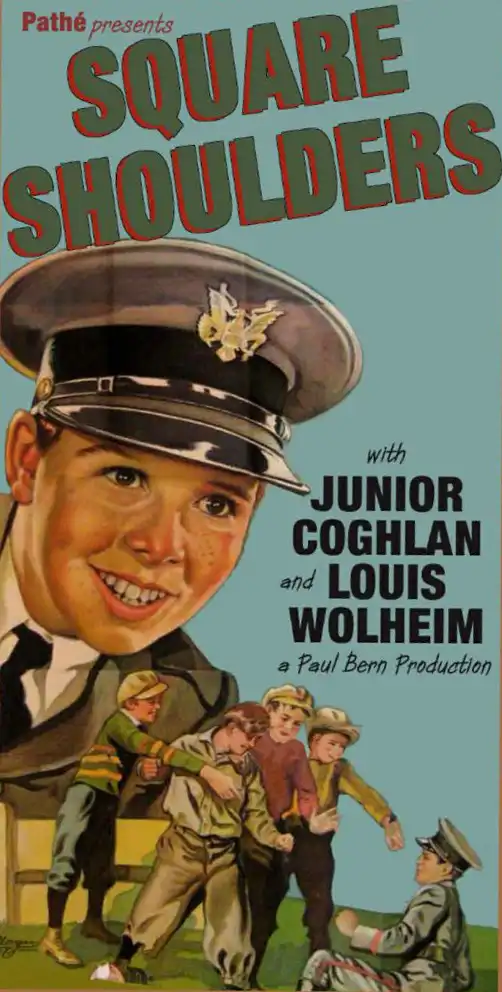
Deep dive into the cult classic
Discover similar cinematic experiences
A Directorial Spotlight on Joseph W. Smiley