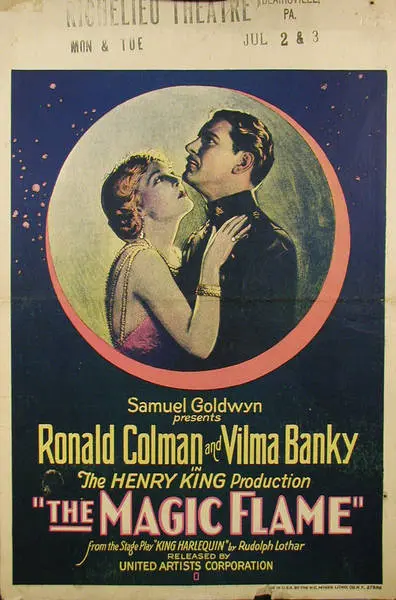
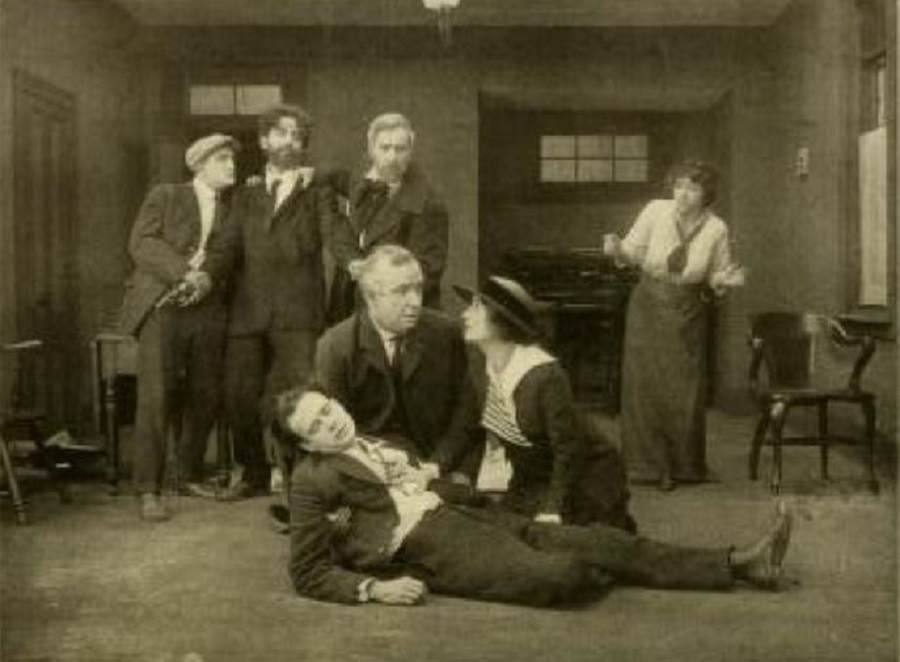
A definitive 4.6/10 rating for a film that redefined the boundaries of cult cinema. The Magic Flame remains a cornerstone of transgressive art.
Is The Magic Flame worth watching today? Short answer: yes, but with significant caveats that speak to its era and ambitions. This film is a compelling, if at times ponderous, journey into silent cinema's dramatic heart, perfectly suited for cinephiles and those curious about the roots of screen melodrama, but likely to test the patience of viewers accustomed to modern pacing and narrative subtlety.
For those who cherish the expressive power of silent acting and the grand, theatrical sweep of early Hollywood, this film offers genuine rewards. However, if you find the conventions of the silent era — exaggerated gestures, explanatory intertitles, and often maximalist plotting — to be a barrier, then The Magic Flame might prove a challenging watch.
This film works because of its stellar central performances, particularly from Ronald Colman and Vilma Bánky, and its surprisingly astute commentary on social hierarchy, which feels less dated than many of its contemporaries. It fails because of an overreliance on silent film tropes that sometimes tip into caricature, especially in its supporting roles, and a narrative structure that occasionally sags under its own dramatic weight, extending certain emotional beats far beyond their impact. You should watch it if you appreciate the artistry of silent acting, enjoy grand theatrical storytelling, and are willing to overlook some period-specific narrative excesses for the sake of its powerful leads and thematic depth.
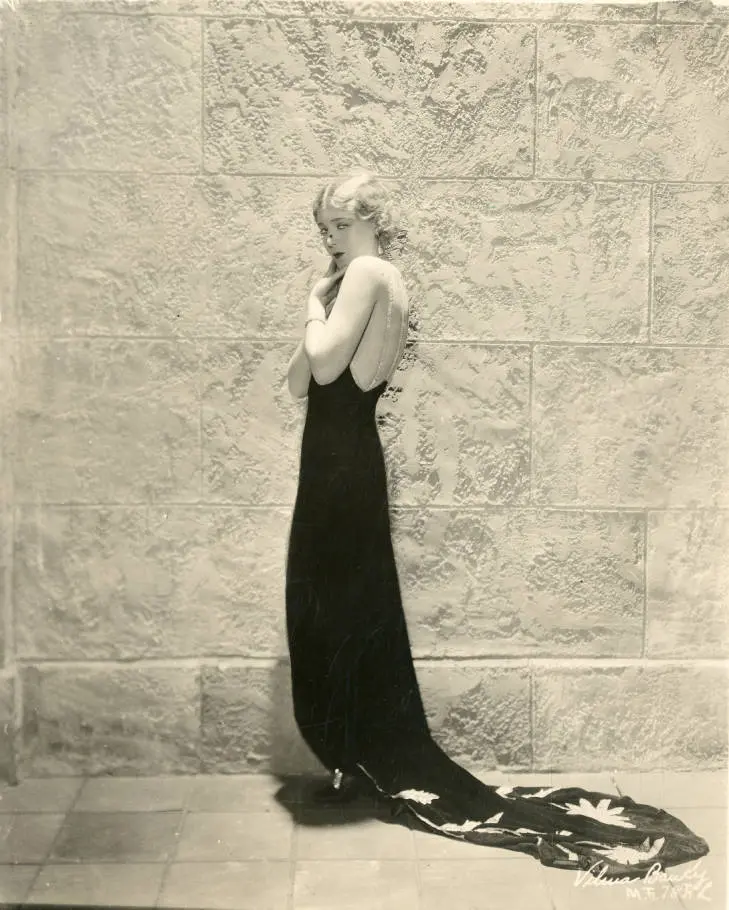
Scene from The Magic Flame
Cinematic perspective: Exploring the visual vocabulary of The Magic Flame (1927) through its definitive frames.
Theatrical Grandeur and Silent Stars
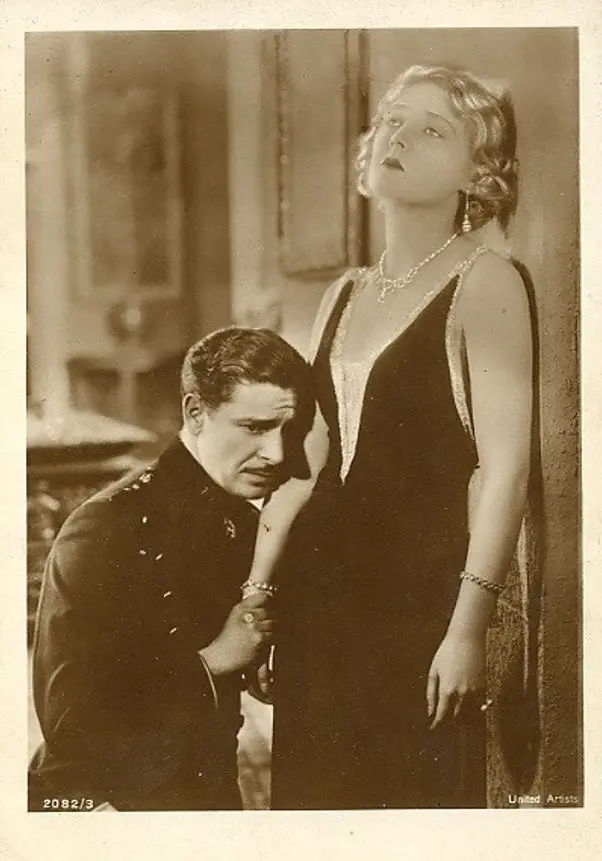
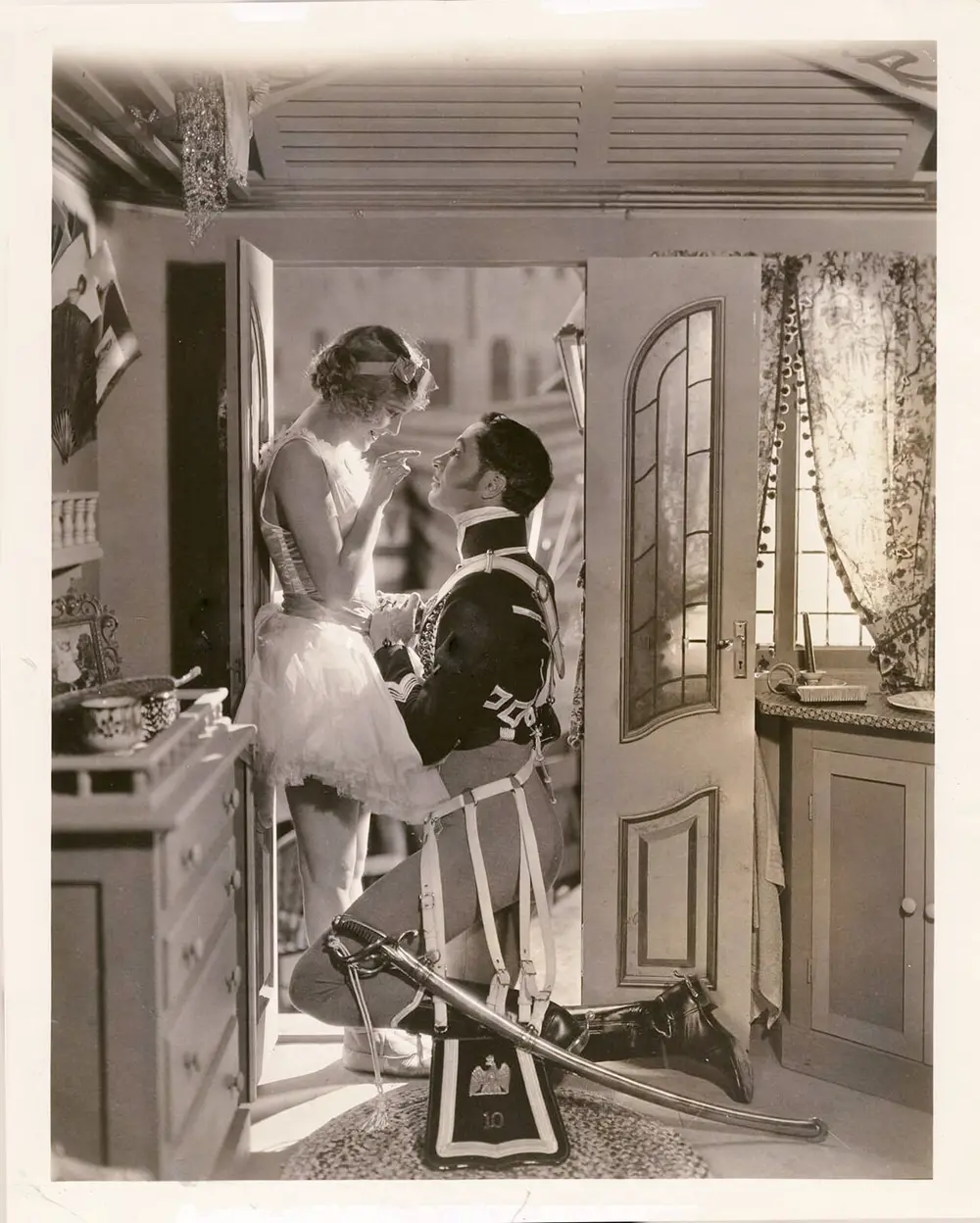
The performances are undeniably the beating heart of The Magic Flame. Ronald Colman, in a dual role, delivers a masterclass in silent screen acting. His portrayal of the charismatic, roguish circus performer is a study in physical grace and magnetic charm. In stark contrast, his aristocratic doppelgänger is imbued with a chilling aloofness, a quiet arrogance that speaks volumes without a single uttered word. Colman’s ability to differentiate these two characters, often through subtle shifts in posture and gaze, is nothing short of remarkable. It’s a testament to his range and a clear indicator of why he became such a dominant force in Hollywood.
Vilma Bánky, as the object of their conflicting affections, brings a luminous presence to the screen. Her character’s emotional journey is complex, moving from innocent infatuation to profound despair, and Bánky navigates these shifts with an impressive sincerity. There’s a particular scene where she receives a devastating piece of news; her subtle tremor, the slow realization dawning in her eyes, conveys more heartbreak than any shouted dialogue ever could. It’s a performance that grounds the melodrama, preventing it from fully spiraling into histrionics.
Supporting players, while less nuanced, largely fulfill their roles. Gustav von Seyffertitz, often typecast in villainous or sinister parts, adds a necessary layer of menace. However, some of the broader comedic relief characters, common in silent films, do occasionally feel a touch over-the-top, pulling the viewer momentarily out of the central drama. This isn't necessarily a flaw of the actors themselves, but rather a stylistic choice of the era that modern audiences might find jarring.
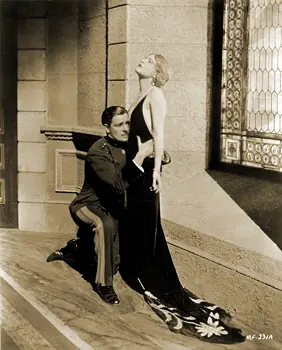
Scene from The Magic Flame
Cinematic perspective: Exploring the visual vocabulary of The Magic Flame (1927) through its definitive frames.
A Circus of Class Conflict
Beyond the passionate romance, The Magic Flame offers a surprisingly trenchant, if not always subtle, critique of class distinctions. The circus, with its vibrant chaos and transient nature, serves as a metaphor for a raw, unvarnished existence where merit and charisma often trump birthright. The arrival of the aristocrat into this world immediately creates friction, highlighting the rigidity and hypocrisy of the upper echelons of society. It’s a classic 'haves vs. have-nots' scenario, but presented with a dramatic flair that silent cinema excelled at.
The film doesn’t shy away from depicting the consequences of these societal divides. The emotional stakes are heightened precisely because the characters operate within such distinct social spheres, where a misstep can have catastrophic implications. The narrative suggests that true passion and genuine connection struggle to survive when confronted by the suffocating expectations of status and reputation. This thematic undercurrent gives the love triangle a weight that transcends mere romantic intrigue, elevating it to a commentary on societal pressures. It’s an interesting parallel to films like The Princess of Park Row, which also explored the clash of social classes, albeit with a different narrative focus.
“The film’s greatest strength lies not just in its dramatic spectacle, but in its quiet assertion that true nobility resides in character, not title.”
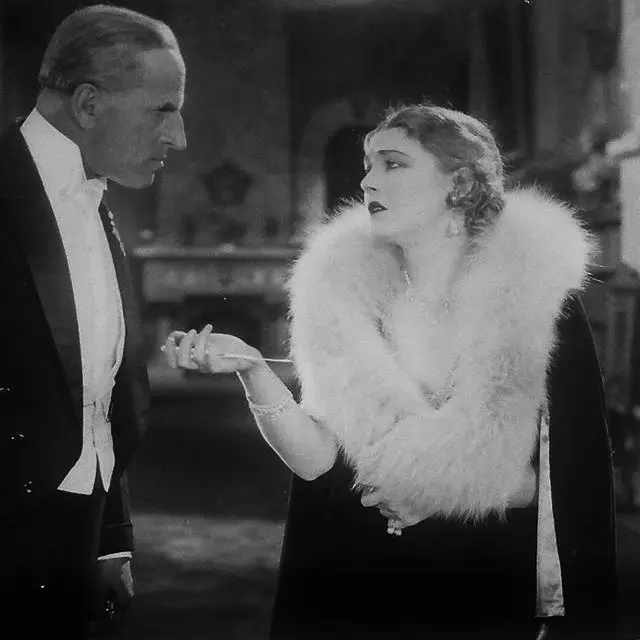
Scene from The Magic Flame
Cinematic perspective: Exploring the visual vocabulary of The Magic Flame (1927) through its definitive frames.
One could argue that the film’s portrayal of the aristocracy is a touch simplistic, painting them with broad strokes of villainy or cold indifference. However, this simplification serves the melodramatic purpose, creating clear antagonists and amplifying the audience's sympathy for the more 'authentic' circus folk. It’s a narrative device, not necessarily a nuanced sociological study, and within that framework, it works.
Visual Storytelling: Light and Shadow
The cinematography in The Magic Flame is a powerful tool in conveying mood and character. Director Henry King, working with George Barnes, masterfully employs light and shadow to enhance the drama. The circus scenes are often bathed in a vibrant, almost ethereal glow, emphasizing the magical, transient nature of that world. In contrast, the aristocratic settings are frequently starker, more rigid, with shadows that seem to cling to the characters, hinting at hidden motives and societal pressures.
There's a particularly memorable sequence involving a duel, where the interplay of light and dark creates a palpable sense of tension and foreboding. The camera angles are well-chosen, emphasizing the emotional distance or proximity between characters. While not groundbreaking in the vein of a Murnau or Lang, the visual language is consistently effective and often beautiful, contributing significantly to the film’s overall atmosphere. It’s a prime example of how silent films, despite technical limitations, could achieve remarkable visual sophistication.
Scene from The Magic Flame
Cinematic perspective: Exploring the visual vocabulary of The Magic Flame (1927) through its definitive frames.
The set design, too, is commendable. The circus tent feels lived-in and authentic, a stark contrast to the opulent but often sterile interiors of the aristocratic homes. This visual juxtaposition reinforces the film’s central thematic conflict without relying solely on intertitles. It’s a subtle touch, but one that adds considerable depth to the viewing experience.
Pacing and the Perils of Melodrama
Pacing is where The Magic Flame occasionally falters for a modern audience. As with many silent melodramas, the film takes its time. Emotional beats are often prolonged, and reactions are stretched out to ensure maximum impact in an era without spoken dialogue. While this can be effective in building suspense or emphasizing pathos, there are moments where the narrative momentum feels sluggish, particularly in the film’s midsection.
The tone is consistently dramatic, bordering on the operatic. There's little room for levity outside of fleeting comedic moments, which sometimes feel shoehorned in. This unwavering intensity can be exhausting over a feature-length runtime. For viewers accustomed to the quicker cuts and varied emotional registers of contemporary cinema, this might require a significant adjustment of expectations. It’s a film that demands investment, rewarding patience with genuine emotional payoff but occasionally testing it along the way.
Scene from The Magic Flame
Cinematic perspective: Exploring the visual vocabulary of The Magic Flame (1927) through its definitive frames.
My unconventional observation here is that the film’s maximalist approach to emotion, while sometimes leading to pacing issues, also inadvertently creates a fascinating historical document. It’s a window into how audiences of the era were expected to engage with and interpret emotion on screen, a style that has since been largely abandoned. It's not just a film; it's an artifact of cinematic communication.
Is this film worth watching?
Yes, The Magic Flame is absolutely worth watching, particularly for anyone with an interest in silent cinema or the evolution of screen acting. Ronald Colman's dual performance alone justifies the viewing. It offers a glimpse into the dramatic capabilities of the silent era, demonstrating how powerful storytelling could be achieved without dialogue. The film's themes of class conflict and the destructive nature of jealousy remain relevant. It’s a solid entry in the melodrama genre, showcasing strong performances and thoughtful direction.
Key Takeaways
Best for: Enthusiasts of silent cinema, fans of grand melodrama, and those interested in Ronald Colman's early career.
Not for: Viewers who struggle with the pacing and acting conventions of silent films, or those seeking subtle, understated drama.
Standout element: Ronald Colman's compelling dual performance, a masterclass in silent screen acting.
Biggest flaw: Occasional narrative sluggishness and an adherence to melodramatic tropes that can feel over-the-top for modern sensibilities.
Pros and Cons
Pros:
Strong, captivating performances from its leads, especially Ronald Colman and Vilma Bánky.
Engaging exploration of class conflict and societal hypocrisy.
Effective use of cinematography and set design to enhance mood and theme.
A compelling, if tragic, love story at its core.
Cons:
Pacing can be slow, particularly in the film’s middle acts.
Some supporting characters lean into caricature, typical of the era but sometimes jarring.
The melodramatic tone is relentless, offering little respite.
Certain plot resolutions feel a touch too convenient, typical of the genre.
Verdict
Ultimately, The Magic Flame is a powerful, if imperfect, silent film that holds up surprisingly well. Its flaws are largely products of its time, easily forgiven by those who appreciate the unique artistry of early cinema. Colman and Bánky elevate the material beyond simple melodrama, imbuing their characters with a raw humanity that transcends the lack of spoken dialogue. It works. But it’s flawed. This isn't a film you'll merely watch; it's one you’ll experience, a grand theatrical production brought to the screen with passion and skill. While it may not convert skeptics of silent film, it will undoubtedly satisfy devotees and offer a rich, emotional narrative for those willing to lean into its specific charms. Highly recommended for the discerning cinephile.