
DbcultAccessing Vault...
Director's Spotlight
Senior Film Conservator
Director's Spotlight: United States
A Deep Dive into the 1916 Vision of Joseph W. Smiley
The brilliance of The Fortunate Youth (1916) is inseparable from a monumental shift in cult filmmaking spearheaded by Joseph W. Smiley. Occupying a unique space between cult and pure art, it serves as a blueprint for future generations of cult directors.
In The Fortunate Youth, Joseph W. Smiley pushes the boundaries of conventional narrative. The film's unique approach to its subject matter has sparked endless debates and interpretations among cinephiles and critics alike.
While deeply rooted in United States, The Fortunate Youth has achieved a global reach, influencing directors from various backgrounds. Its ability to translate cult tropes into a universal cinematic language is why it remains a cult staple decades after its 1916 release.
| Cinematography | Static |
| Soundtrack | Orchestral |
| Editing | Invisible |
| Art Direction | Kitsch |
Visualizing the convergence of Joseph W. Smiley's style and the core cult narrative.
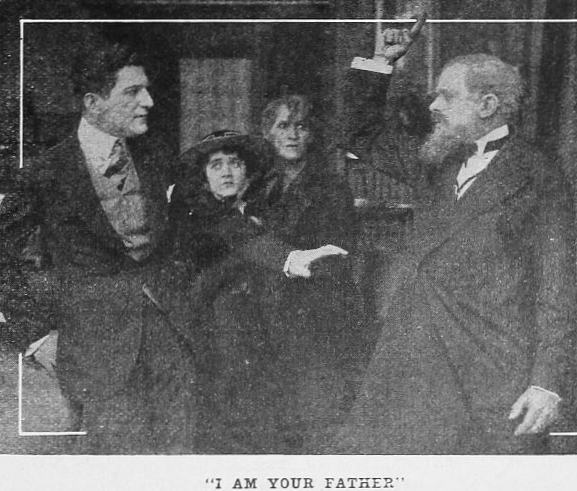
Young English boy Paul Kegsworthy lives with his brutal stepfather after his real father was thrown in jail. Paul eventually runs away and arrives in London, changing his name to Paul Savelli. Young Princess Sophie Zobraska takes Paul under her wing, sees that he's educated and, when she feels he's ready, grooms him to run for Parliament. His opponent, Silas Finn, is an older and more established politician, and one day he comes to Paul and demands that he bow out of the race, but Paul Refuses. Finn, however, has an ace up his sleeve that Paul hasn't counted on.
Decades after its release, The Fortunate Youth remains a vital piece of the cinematic puzzle. Its influence can be seen in countless modern works, solidifying Joseph W. Smiley's status as a master of the craft in United States and beyond.