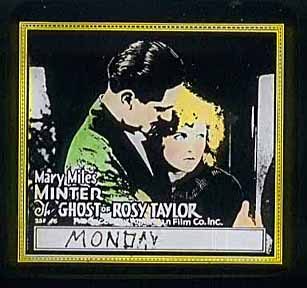
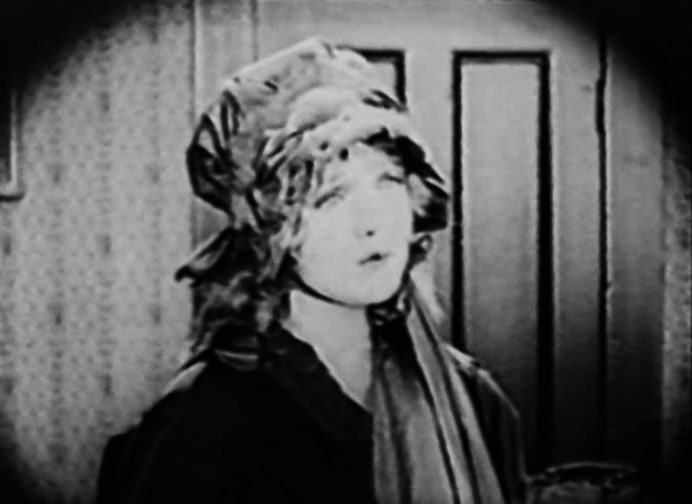
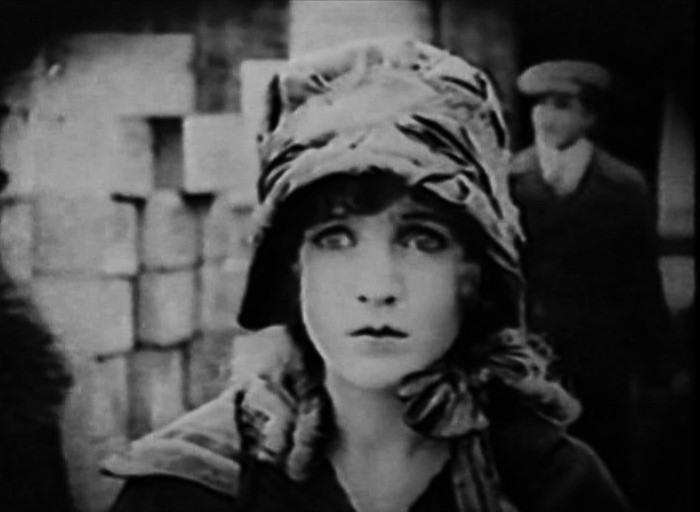
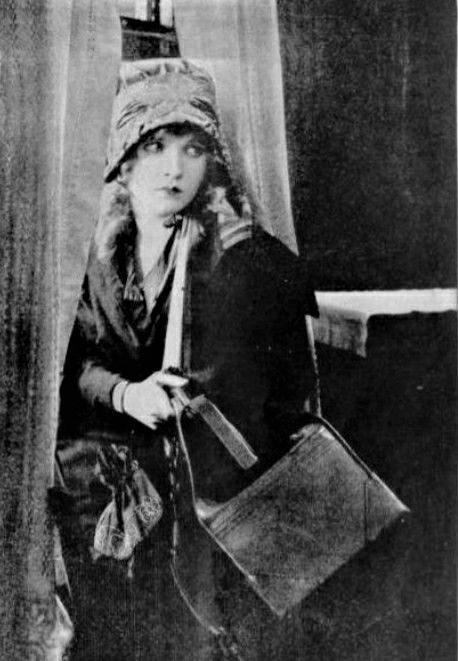
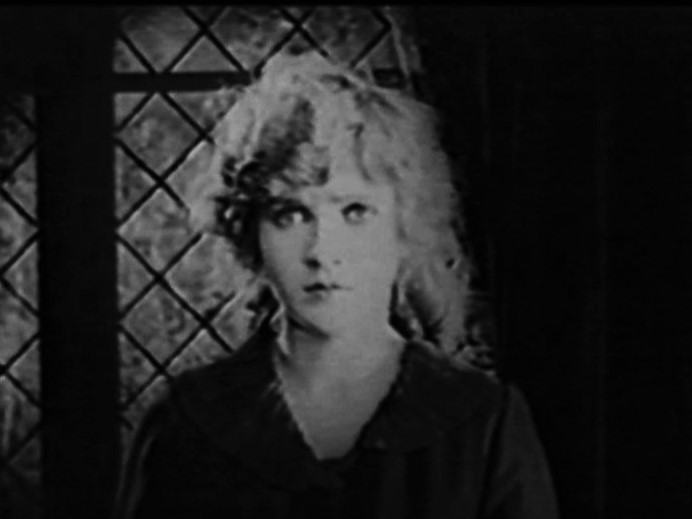
Rhoda Eldridge lives in the Paris Latin Quarter, learns at the death of her father Charles that her real name is Sayles and that she has an uncle somewhere in America. She travels to the States as a nursemaid but is discharged soon after her arrival.
Elizabeth Mahoney, Joseph Daskam Bacon
United States
The Ghost of Rosy Taylor: A Silent Film’s Haunting Dance with DestinyIn the shadowed alleys of the Paris Latin Quarter, where cobblestones whisper secrets of the past, The Ghost of Rosy Taylor (1910s) emerges as a spectral yet vibrant narrative of self-discovery. This silent film, helmed by Elizabeth Mahoney and Joseph...
still_frame
still_frame
still_frame
still_frame
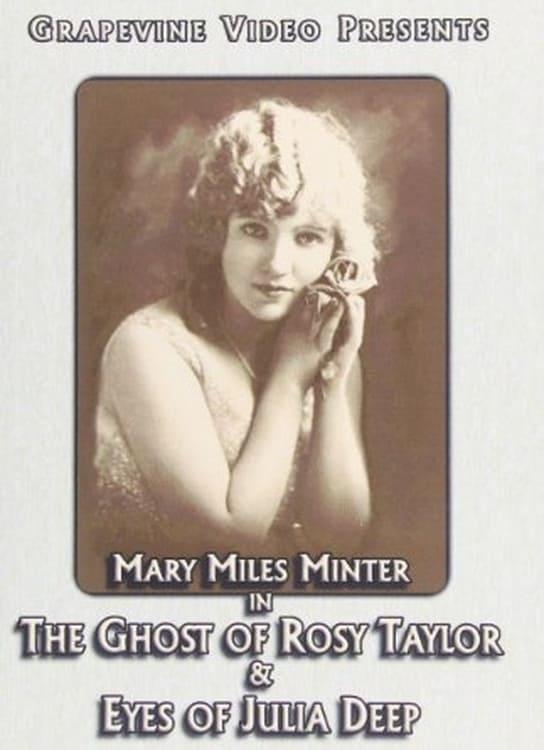
product
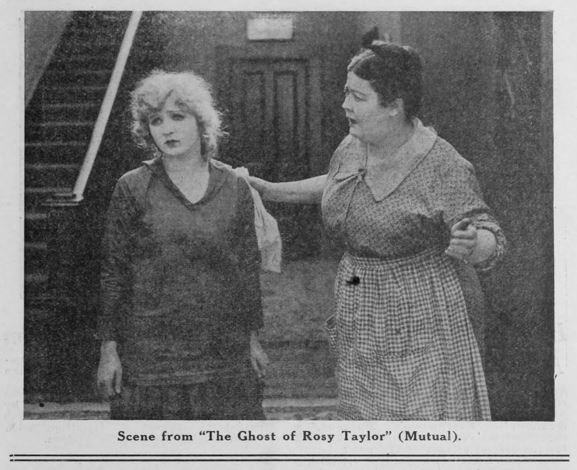
still_frame
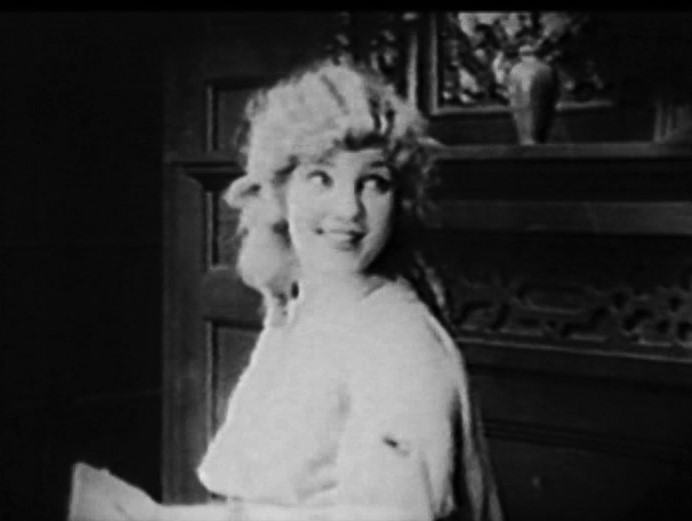
still_frame
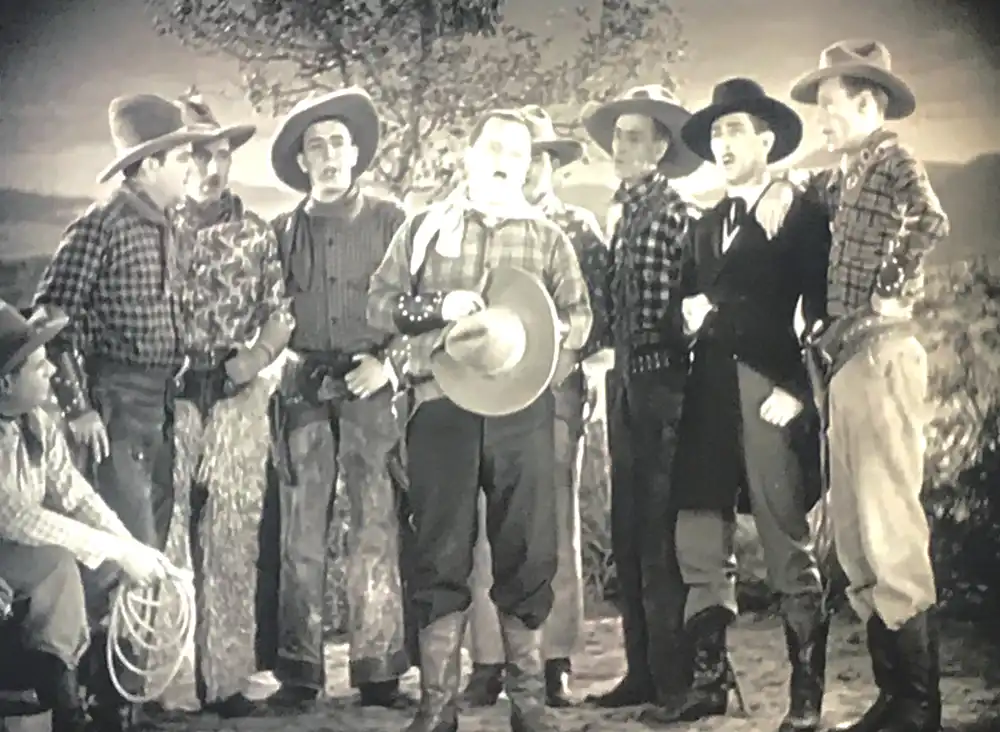
Comparing the cinematic DNA and archive impact of two defining moments in cult history.
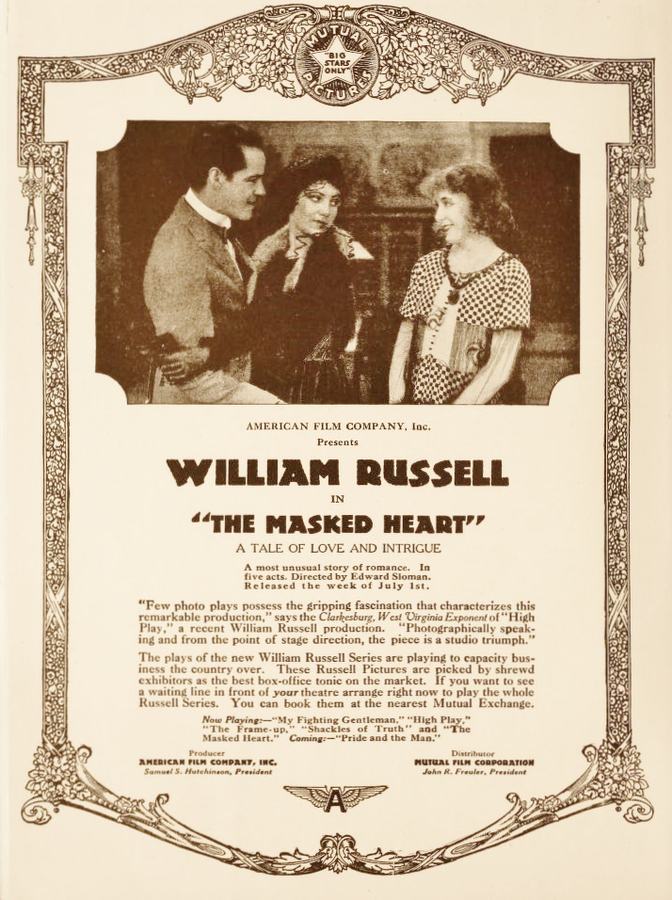
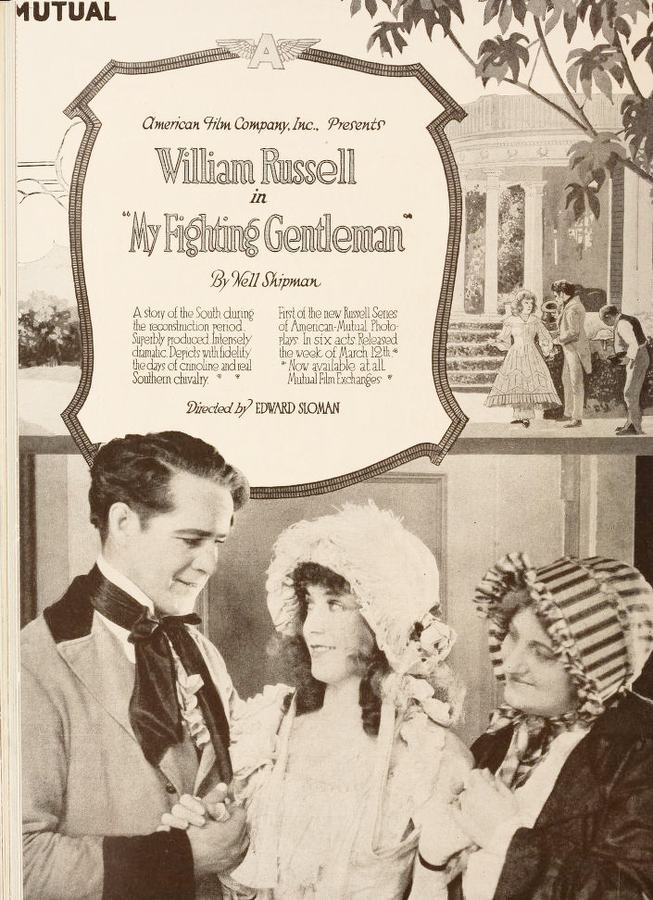
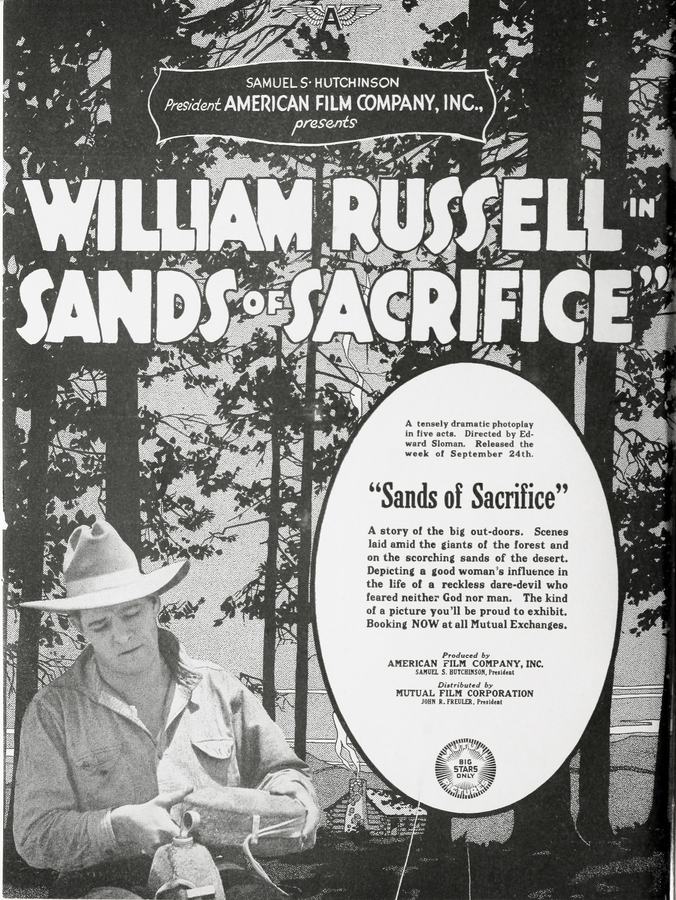
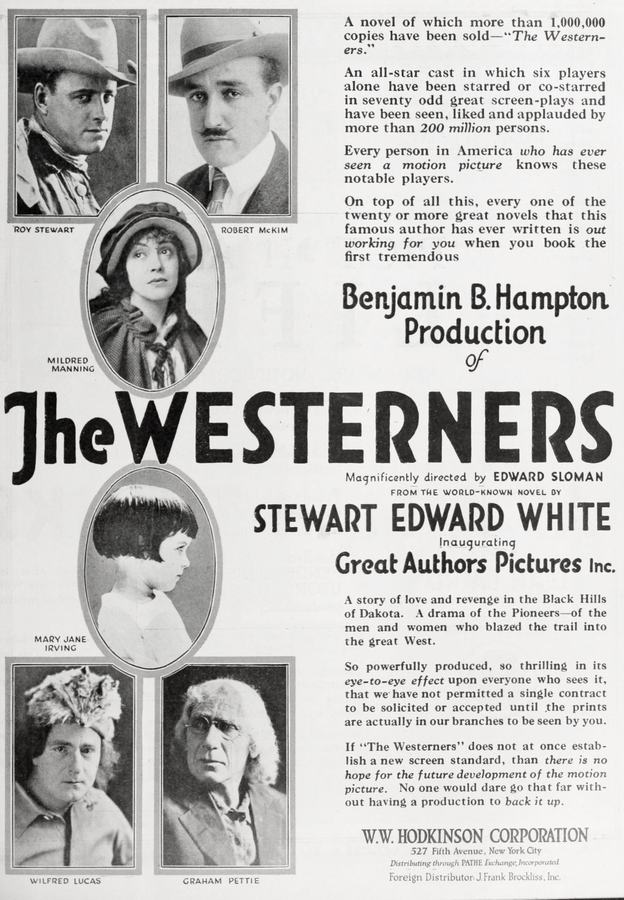
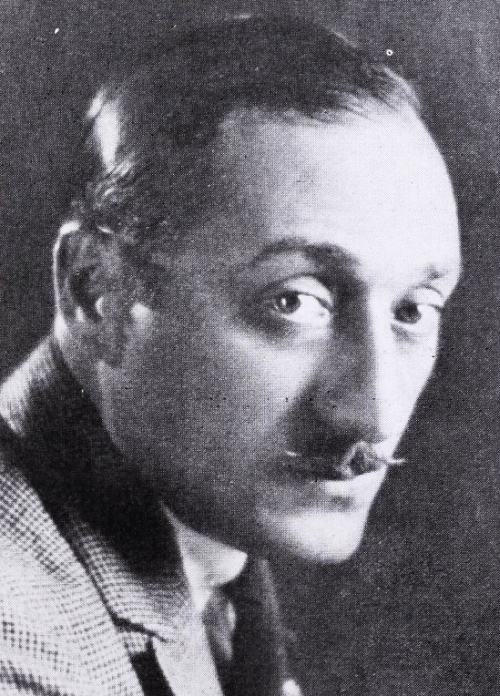
Edward Sloman
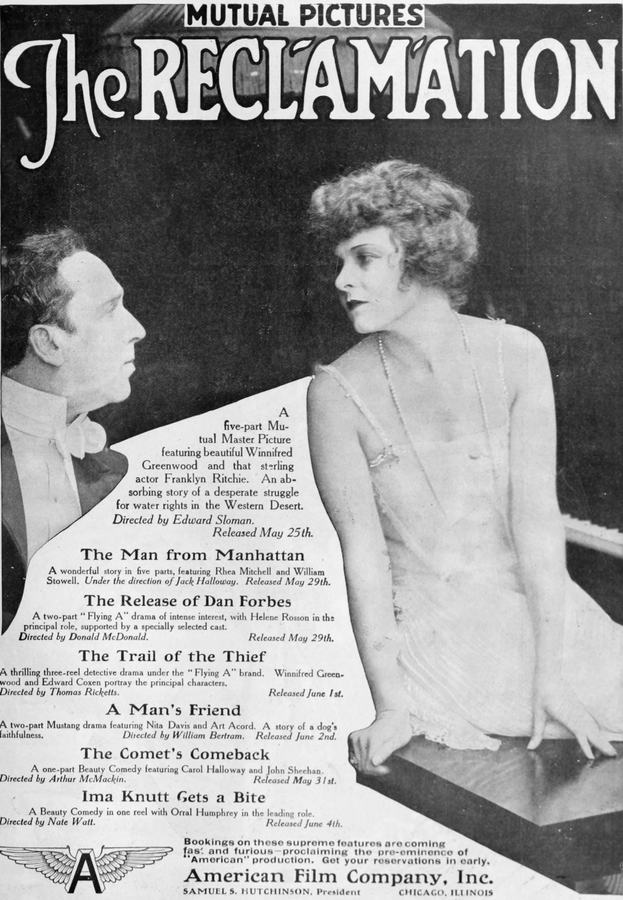
Edward Sloman
Community
Log in to comment.
"The Ghost of Rosy Taylor: A Silent Film’s Haunting Dance with DestinyIn the shadowed alleys of the Paris Latin Quarter, where cobblestones whisper secrets of the past, The Ghost of Rosy Taylor (1910s) emerges as a spectral yet vibrant narrative of self-discovery. This silent film, helmed by Elizabeth Mahoney and Joseph Daskam Bacon, is a delicate balance of gothic romance and proto-feminist agency, anchored by Mary Miles Minter’s ethereal performance as Rhoda Eldridge. The film’s narrative, thou..."
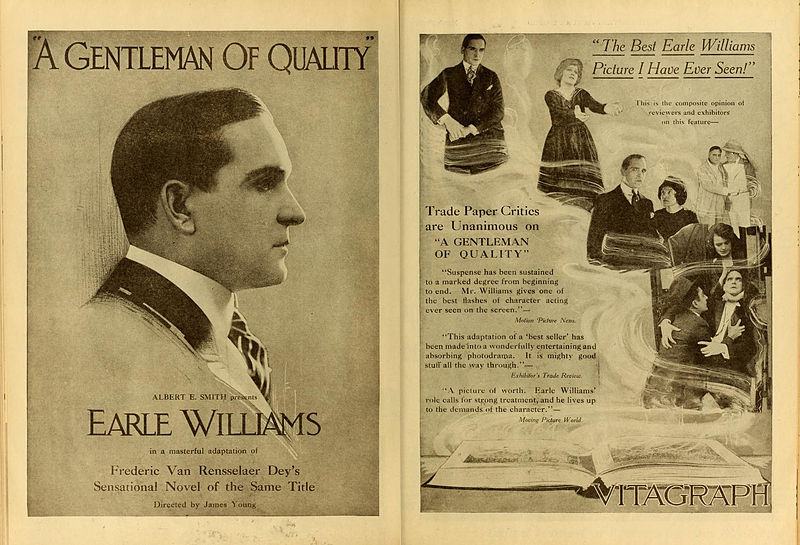
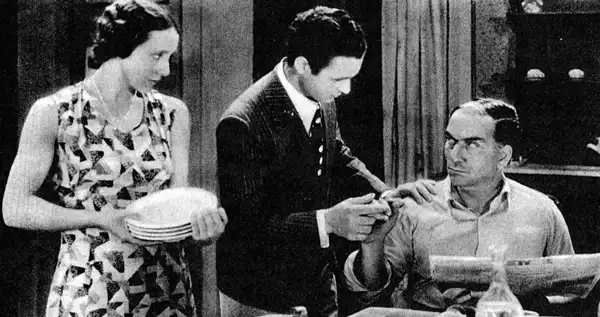
Deep dive into the cult classic
Discover similar cinematic experiences
A Directorial Spotlight on Edward Sloman