DbcultAccessing Vault...
6.1/10
Senior Film Conservator
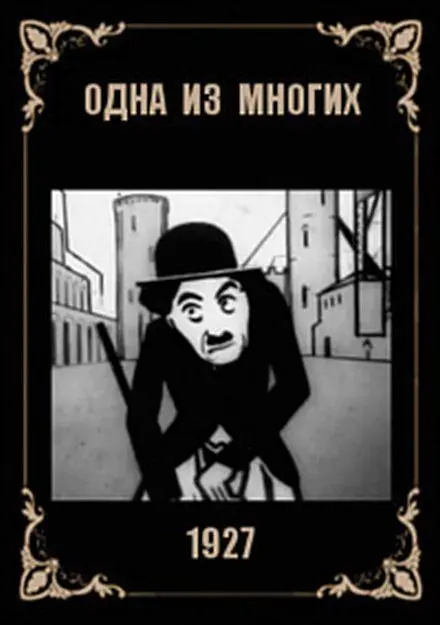
A definitive 6.1/10 rating for a film that redefined the boundaries of cult cinema. Odna iz mnogikh remains a cornerstone of transgressive art.
Is Odna iz mnogikh worth watching today? Short answer: yes, but with significant caveats that demand a specific viewing context. This early Soviet animation is undeniably a fascinating historical artifact, a rare glimpse into a unique cultural moment, making it best suited for film historians, animation enthusiasts, and those curious about the cultural zeitgeist of the 1920s, particularly the intriguing interplay between Soviet ideology and Western glamour.
It is decidedly not for viewers seeking a conventional, modern narrative, fluid animation typical of later eras, or easily digestible mainstream entertainment. Its value lies in its historical and artistic significance, not its accessibility to a general audience.
"Odna iz mnogikh works as a time capsule, a vibrant, if ideologically complex, testament to cinema's universal power to inspire and influence, even across political divides. Its animation, while primitive by today's standards, showcases a daring experimental spirit."
This film works because it offers an unparalleled, almost accidental, window into the cultural dreams and anxieties of early Soviet Russia, filtered through the lens of Western cinematic allure. Its innovative animation techniques for the era, particularly in depicting dream logic, are genuinely remarkable. It captures a fleeting moment where global pop culture, embodied by figures like Fairbanks and Pickford, could penetrate even the most ideologically guarded borders, sparking individual imagination.
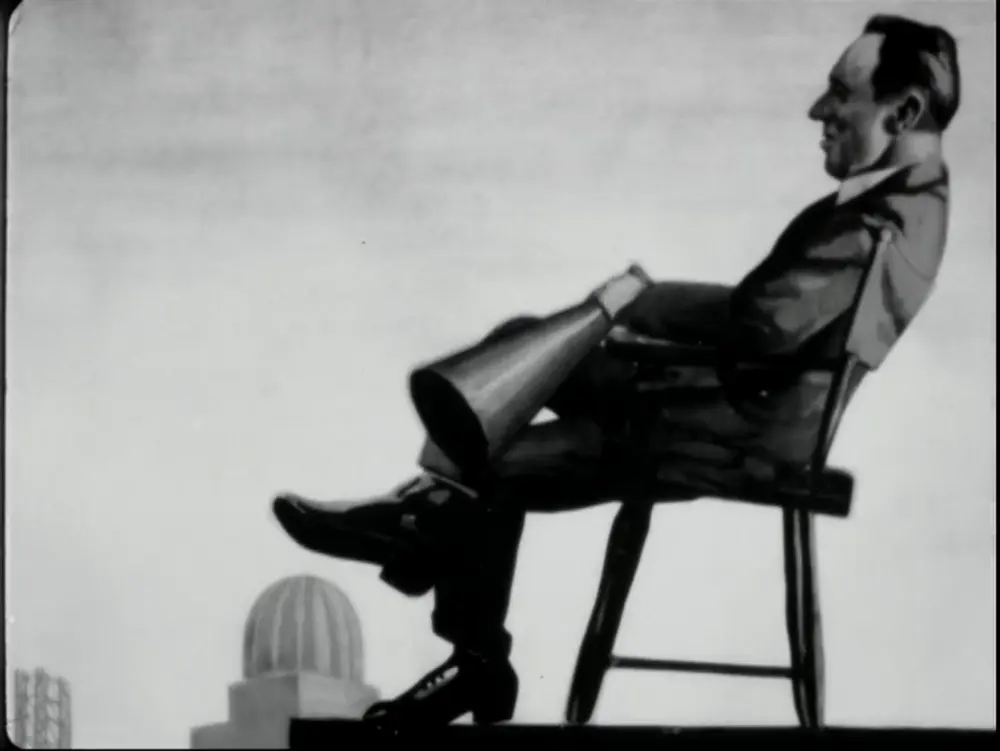
This film fails because its narrative, by modern standards, is simplistic and serves more as a vehicle for ideological messaging and visual experimentation than a cohesive, character-driven story. The pacing can feel jarring to contemporary viewers, and its full appreciation is heavily reliant on understanding its specific historical and political context, without which it risks feeling dated, obscure, or even confusing.
You should watch it if you are fascinated by the history of animation, Soviet cultural studies, or the peculiar ways international cinema influenced global imaginations, even behind nascent political curtains. It's a key piece in understanding the foundational years of animation and the complex relationship between art and state ideology.
The year is 1927. Moscow buzzes with an unusual excitement, an almost alien energy brought by the arrival of Douglas Fairbanks and Mary Pickford, Hollywood's reigning monarchs. For a young Soviet girl, this encounter isn’t just a fleeting celebrity sighting; it’s an awakening. Their glamour, their freedom, their very essence, represents a world utterly disparate from her own. It ignites a spark, a powerful, almost forbidden aspiration to reach Hollywood, a place that exists more as a myth than a geographical location in her mind.
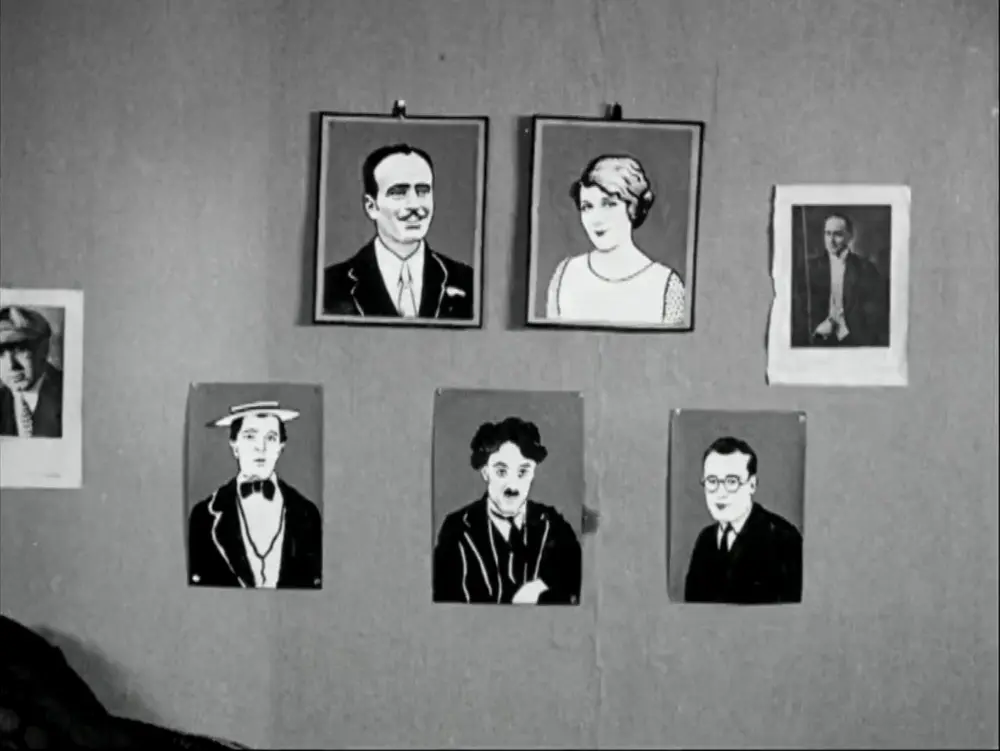
As night descends, carrying her into the realm of sleep, her fervent desire takes tangible form. The film, Odna iz mnogikh, translates this internal longing into a vibrant, surreal dream sequence. She is no longer in Moscow; she is transported to the dazzling, frenetic heart of Hollywood. This isn't just a simple visit; it's an immersion, a fantastical journey where the very fabric of reality bends to accommodate her cinematic fantasies. The film masterfully uses animation to blur the lines between aspirational fantasy and the stark backdrop of Soviet life, offering a unique commentary on the pervasive power of global culture.
Nikolay Khodataev, the visionary writer behind Odna iz mnogikh, alongside his animation team, crafts a piece that is as much a historical document as it is a work of art. In an era when Soviet animation was still finding its voice, often oscillating between propaganda and artistic experimentation, Khodataev’s direction leans heavily into the latter. The film’s strength lies in its bold, almost avant-garde approach to depicting the dream state.
The animation, while rudimentary by today's standards, is remarkably inventive for its time. We see a clear distinction between the 'real world' setup, likely rendered in a more grounded, perhaps even stark, visual style reflecting Soviet life, and the vibrant, fluid, and often surreal dream sequence. The transition itself would have been a technical marvel, perhaps employing dissolves or transformative animation to whisk the girl away.
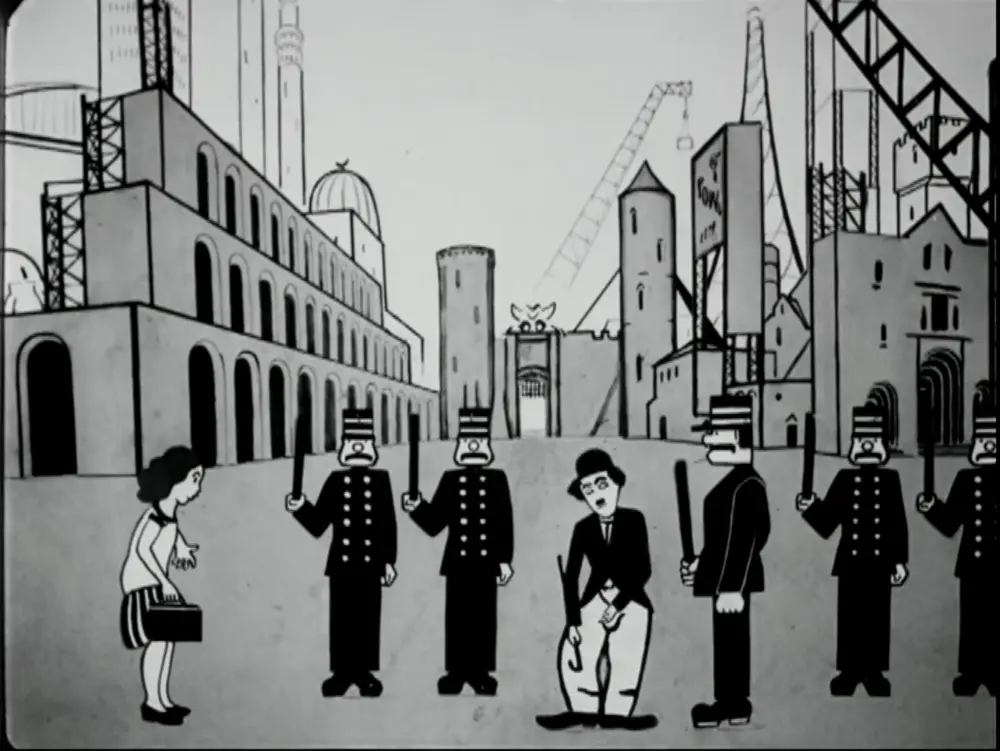
Specific examples of its ingenuity would likely include the exaggerated movements of the Hollywood figures, perhaps a playful caricature of Fairbanks' swashbuckling athleticism or Pickford's angelic charm. The backgrounds in the dream sequence would shift and morph, embodying the chaotic yet alluring energy of a movie studio. Imagine sets appearing and disappearing, characters transforming, and the very architecture of Hollywood bending to the will of the girl's subconscious. This isn't merely animation; it's a visual poem on desire.
The cinematography, if we can apply the term to animation of this era, focuses on dynamic compositions that convey emotion and wonder. Close-ups on the girl's face, conveying her initial awe and later her joy within the dream, would be crucial. The use of light and shadow, even in limited palettes, would differentiate the mundane from the magical. Khodataev wasn't just telling a story; he was painting a mood, a feeling of yearning that transcends language and political boundaries.
While 'cast' in an early animated film might refer to live-action references or key artistic contributors, Antonina Kudryavtseva's involvement in Odna iz mnogikh is crucial, particularly if she served as the visual inspiration or primary animator for the central character. Her contribution likely shaped the very essence of the Soviet girl, imbuing her with a relatable innocence and a palpable sense of wonder.
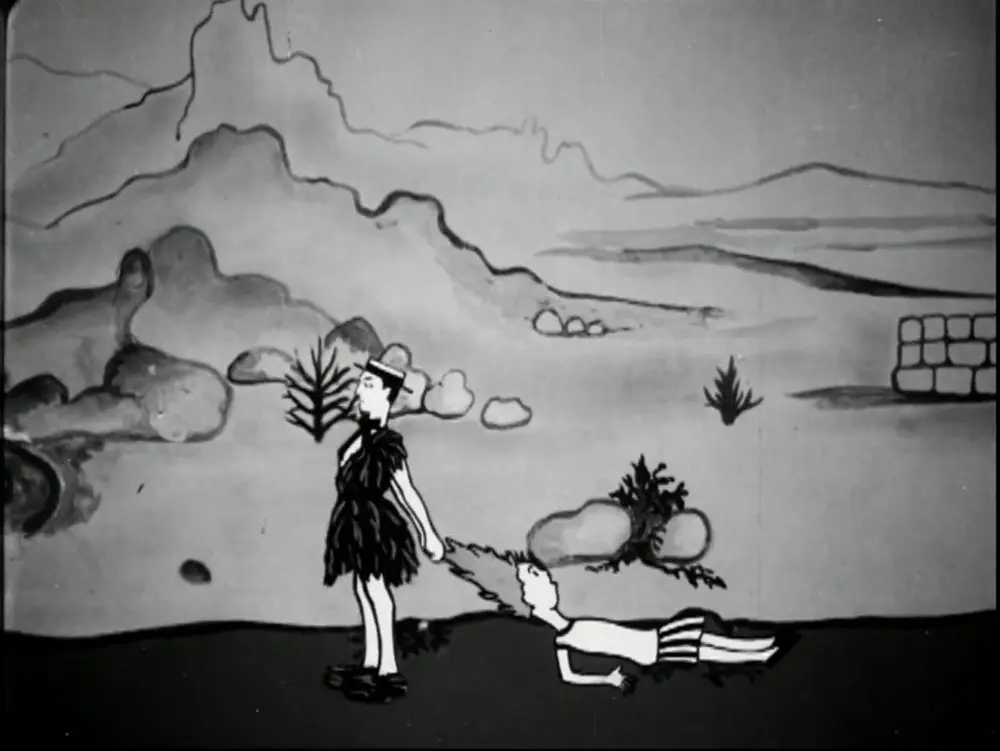
The success of the film hinges on the audience connecting with the girl's dream. Kudryavtseva, whether through direct performance or character design input, would have been instrumental in making this connection. The girl's expressions — her wide-eyed fascination with Fairbanks and Pickford, her peaceful slumber, and her ecstatic joy within the dream — are the emotional anchors of the film. These aren't just drawings; they are reflections of human emotion, carefully crafted.
Consider the subtle ways animation can convey 'performance.' The tilt of the head, the gesture of a hand reaching out, the sparkle in the eyes – these are all elements that Kudryavtseva, as a key creative force, would have meticulously developed. Her 'performance' isn't about dialogue; it's about visual storytelling, making the girl's silent journey resonate with universal themes of aspiration and escapism. Without a believable, endearing protagonist, the fantastical elements would fall flat. It's a testament to the animators, and likely Kudryavtseva, that this character feels so vivid.
The pacing of Odna iz mnogikh, typical of many experimental short films of its era, would likely feel brisk yet deliberate. The initial setup in Moscow, establishing the girl's encounter and her budding dream, would be concise, quickly moving to the fantastical core of the narrative. The dream sequence itself, however, would likely expand, allowing the animators ample time to explore the visual possibilities of Hollywood's allure. This contrast in pacing – a quick reality, an extended fantasy – is a deliberate choice, emphasizing the power of imagination over prosaic existence.
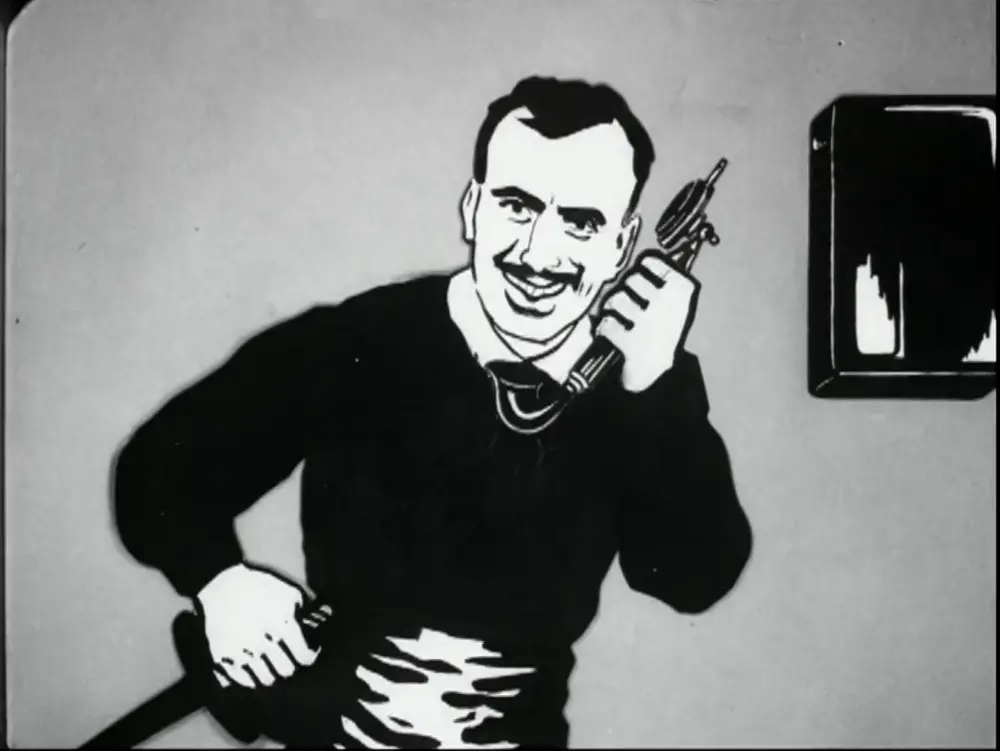
The tone oscillates between a grounded, almost observational realism in its opening and a joyous, unrestrained whimsy in its dream state. There's an undeniable undercurrent of fascination with Western culture, a surprising element given the prevailing Soviet ideology of the time. While one might expect a critique of capitalist excess, the film seems to revel in the sheer spectacle of Hollywood, perhaps reflecting a subtle, individual defiance against cultural isolation.
"The film's most surprising observation is its nuanced, almost affectionate portrayal of Hollywood's charm, suggesting that even rigid ideological barriers struggle against the universal appeal of glamour and storytelling. It’s a bold artistic statement for its time and place."
The thematic resonance is rich. At its core, it's about the power of dreams and the human capacity for imagination. Yet, it also touches upon the global reach of cinema, making icons like Fairbanks and Pickford universal figures, capable of inspiring even a girl in a vastly different political system. It's a story about aspiration, escapism, and the complex relationship between individual desire and state-imposed realities. The title itself, "One of Many," suggests that this girl's dream is not unique, but rather a universal human experience, perhaps quietly shared by many others behind the Iron Curtain.
Odna iz mnogikh is more than just a forgotten animated short; it is a vital, if niche, piece of cinematic history. It works. But it’s flawed. Its true value lies not in its ability to entertain a mass audience today, but in its profound capacity to transport us back to a specific moment in time – a moment when the universal allure of Hollywood could still penetrate the nascent walls of Soviet ideology, inspiring dreams of a world beyond the immediate horizon.
Nikolay Khodataev's vision, brought to life with the probable artistic contributions of Antonina Kudryavtseva, delivers a surprisingly nuanced commentary on cultural exchange and individual aspiration. While it demands a certain patience and an appreciation for historical context, those willing to invest will find Odna iz mnogikh to be a fascinating, thought-provoking journey. It serves as a potent reminder that cinema, even in its most nascent forms, has always been a powerful vehicle for dreams, transcending borders and political divides. Seek it out if you dare to explore the rich, often surprising, tapestry of early global animation. Its echoes can be felt in later works that explore escapism, such as parts of The Beautiful Lie or even the fantastical elements of Sonho de Valsa, though Odna iz mnogikh holds a unique place for its specific historical lens.

IMDb 7.1
1933
Community
Log in to comment.