DbcultAccessing Vault...
5.1/10
Senior Film Conservator
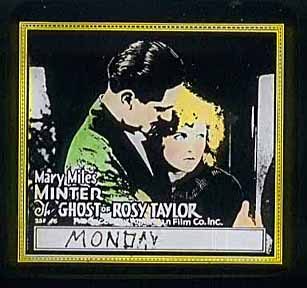
A definitive 5.1/10 rating for a film that redefined the boundaries of cult cinema. The Ghost of Rosy Taylor remains a cornerstone of transgressive art.
The Ghost of Rosy Taylor: A Silent Film’s Haunting Dance with Destiny
In the shadowed alleys of the Paris Latin Quarter, where cobblestones whisper secrets of the past, The Ghost of Rosy Taylor (1910s) emerges as a spectral yet vibrant narrative of self-discovery. This silent film, helmed by Elizabeth Mahoney and Joseph Daskam Bacon, is a delicate balance of gothic romance and proto-feminist agency, anchored by Mary Miles Minter’s ethereal performance as Rhoda Eldridge. The film’s narrative, though rooted in early 20th-century melodrama, resonates with a timeless ache for authenticity in a world of facades.
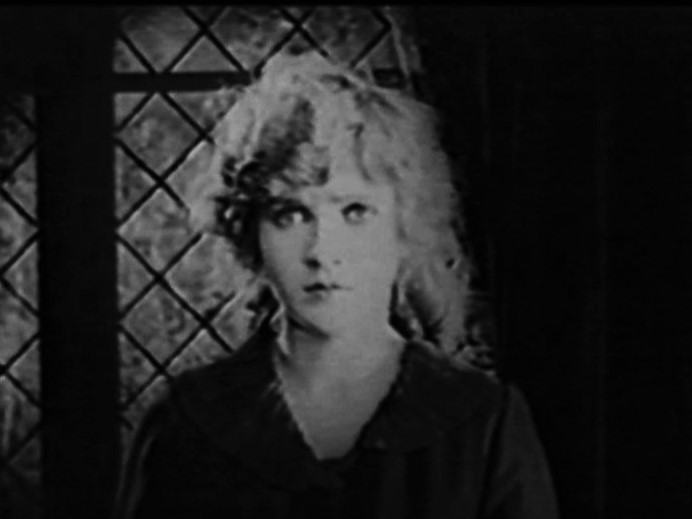
The film opens with Rhoda, a nameless Parisian woman, grappling with the revelation that her father’s death has rewritten her identity. Her journey from the intellectual salons of Paris to the decaying grandeur of an American estate is a metaphorical descent into the labyrinth of self. The estate, with its cracked marble and dust-laden chandeliers, becomes both a prison and a sanctuary—a space where Rhoda’s ingenuity and resilience are tested against the weight of societal expectations.
At its core, The Ghost of Rosy Taylor is a meditation on visibility. Rhoda’s mistaken identity as a thief, orchestrated by the enigmatic Jacques Le Clerc (George Periolat), forces her into a liminal existence—neither fully seen nor entirely invisible. Her cleaning of the Du Vivier mansion, a task born of desperation, becomes an act of quiet rebellion. Each polished surface she touches is a silent assertion of her presence in a world that seeks to erase her.
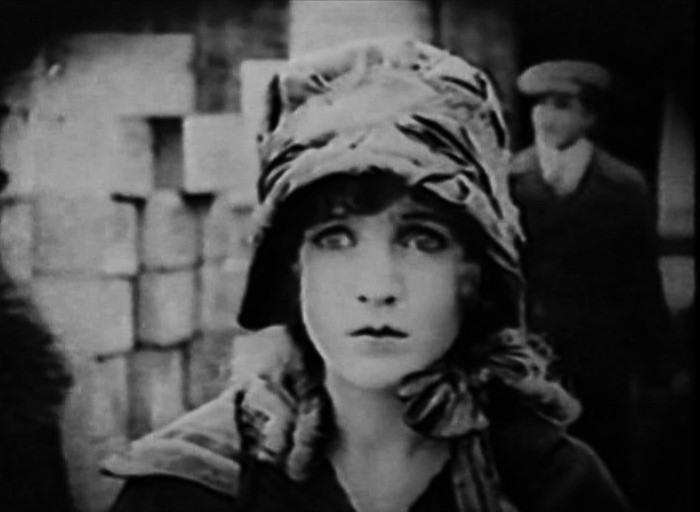
The film’s visual storytelling is a masterclass in early cinema techniques. The use of chiaroscuro—light and shadow—mirrors Rhoda’s internal conflict. When she first enters the mansion, the camera lingers on her silhouette against the grandiose doorway, a visual echo of her tentative steps into a new life. The juxtaposition of the French Quarter’s vibrant energy with the mansion’s oppressive stillness is rendered with a painterly precision, evoking the work of German Expressionism decades before its emergence.
The supporting cast, particularly Emma Kluge as the enigmatic Mrs. Du Vivier, adds layers of intrigue. Her character’s absence—both literal and metaphorical—looms large, a ghostly presence that haunts the narrative. The dynamic between Rhoda and Jacques is fraught with unspoken tension, their eventual union less a romantic climax than a mutual recognition of shared vulnerability. The film’s resolution, where Rhoda is united with her uncle, feels less like a triumph of fate and more like an acceptance of the roles we must play in society’s theater.
Thematically, The Ghost of Rosy Taylor resonates with the works of contemporaries like The Girl Who Doesn’t Know, where identity is a fluid construct. Yet it diverges in its nuanced exploration of economic hardship, a theme that echoes through Gretna Green’s societal constraints. The film’s use of the reformatory as a narrative device—a place of supposed moral correction—parallels the punitive structures in A Factory Magdalen, yet Rhoda’s escape is a testament to her indomitable spirit.
Cinematographically, the film is a marvel of its era. The handheld shots during Rhoda’s escape sequences lend a sense of urgency, while the static, tableau-like framing in the mansion scenes emphasizes the rigidity of social hierarchies. The use of sound—limited though it may be—is felt in the diegetic echoes of Rhoda’s footsteps, a metronome of her emotional state. These technical choices elevate the narrative from a simple melodrama to a visceral experience.
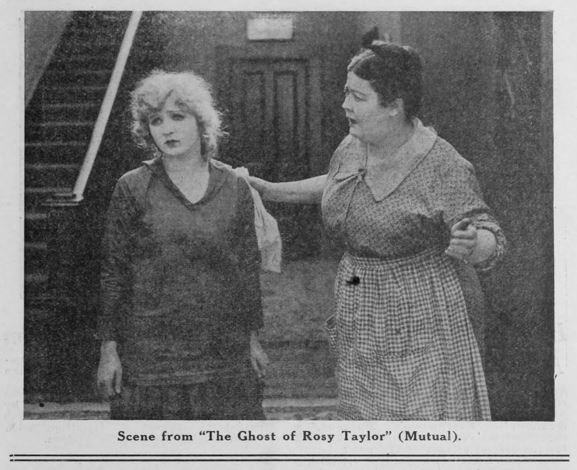
The film’s pacing, however, may test modern viewers. Its deliberate tempo, reminiscent of The Strength of Donald McKenzie, requires patience, as the revelations unfold like petals of a rare flower. Yet this languid pace is integral to the film’s mood, inviting viewers to savor the interplay of light and shadow, the subtle glances exchanged between characters.
Mary Miles Minter’s performance is a revelation. Her portrayal of Rhoda—a woman caught between innocence and experience—is imbued with a quiet ferocity. The way she tilts her head when confronted by Jacques, the tremor in her hand as she clutches the key to the mansion—these details transform Rhoda from a narrative device into a living, breathing entity. Her chemistry with George Periolat is understated yet electric, a testament to the silent film era’s reliance on physicality and facial expression.
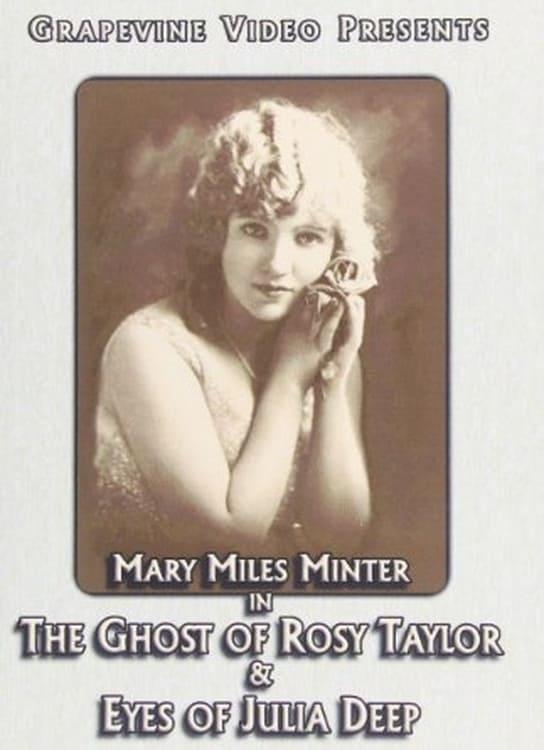
In the broader context of early cinema, The Ghost of Rosy Taylor occupies a unique space. It is neither a pure example of German Expressionism nor a straightforward American silent film. Instead, it is a hybrid—a blend of European aesthetic sensibilities and American narrative ambition. This duality is reflected in the film’s settings, where the Parisian backdrop and the American manor coexist in a liminal space, a metaphor for the cultural crossroads of the early 20th century.
The film’s legacy is perhaps best measured by its influence on later works. The themes of mistaken identity and societal reinvention echo in Her Sister’s Rival, while the juxtaposition of urban and rural settings finds a counterpart in The House with the Golden Windows. Yet The Ghost of Rosy Taylor remains distinct in its unflinching portrayal of a woman’s struggle for autonomy in a patriarchal world.
In conclusion, The Ghost of Rosy Taylor is a film that demands to be seen not just as a product of its time but as a precursor to the narrative complexities that would define cinema in the decades to come. Its haunting beauty, layered themes, and masterful performances make it a cornerstone of silent film history. For those willing to embrace its measured pace and visual poetry, the film offers a journey as enriching as Rhoda’s own—a testament to the enduring power of cinema to illuminate the human condition.
IMDb —
1918
Community
Log in to comment.