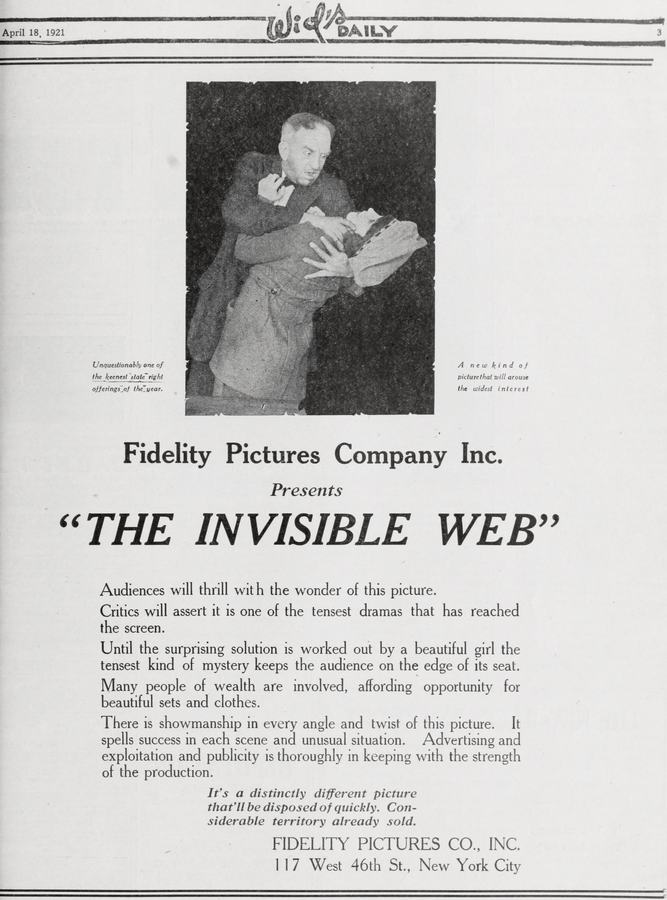
If surveillance cinema had an ur-text, it might well be this hallucinatory 1923 provocation rather than any post-Watergate paranoia piece. The Invisible Web doesn’t merely dramatize eavesdropping; it metastasizes it into folk-horror of the filing cabinet, a world where carbon paper is holy relic and gossip is fiduciar...
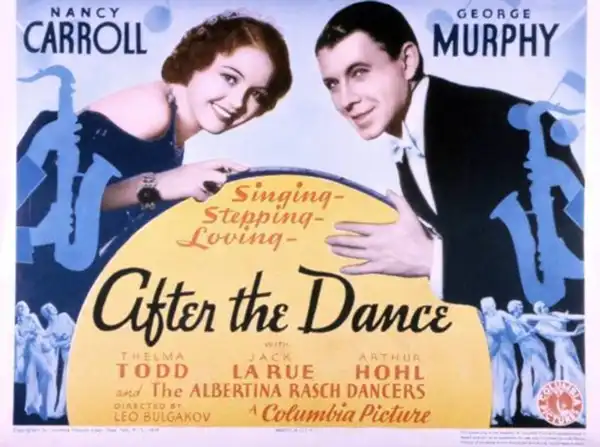
Comparing the cinematic DNA and archive impact of two defining moments in cult history.
Beverly C. Rule
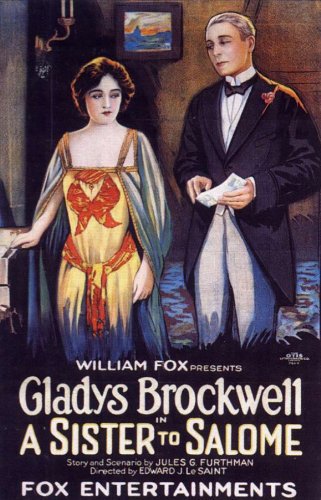
Edward LeSaint
Community
Log in to comment.
" If surveillance cinema had an ur-text, it might well be this hallucinatory 1923 provocation rather than any post-Watergate paranoia piece. The Invisible Web doesn’t merely dramatize eavesdropping; it metastasizes it into folk-horror of the filing cabinet, a world where carbon paper is holy relic and gossip is fiduciary currency. The film survives only because a projectionist in Duluth saved a 9-reel print from being melted for its silver nitrate; the scratches dancing across the frame feel like..."
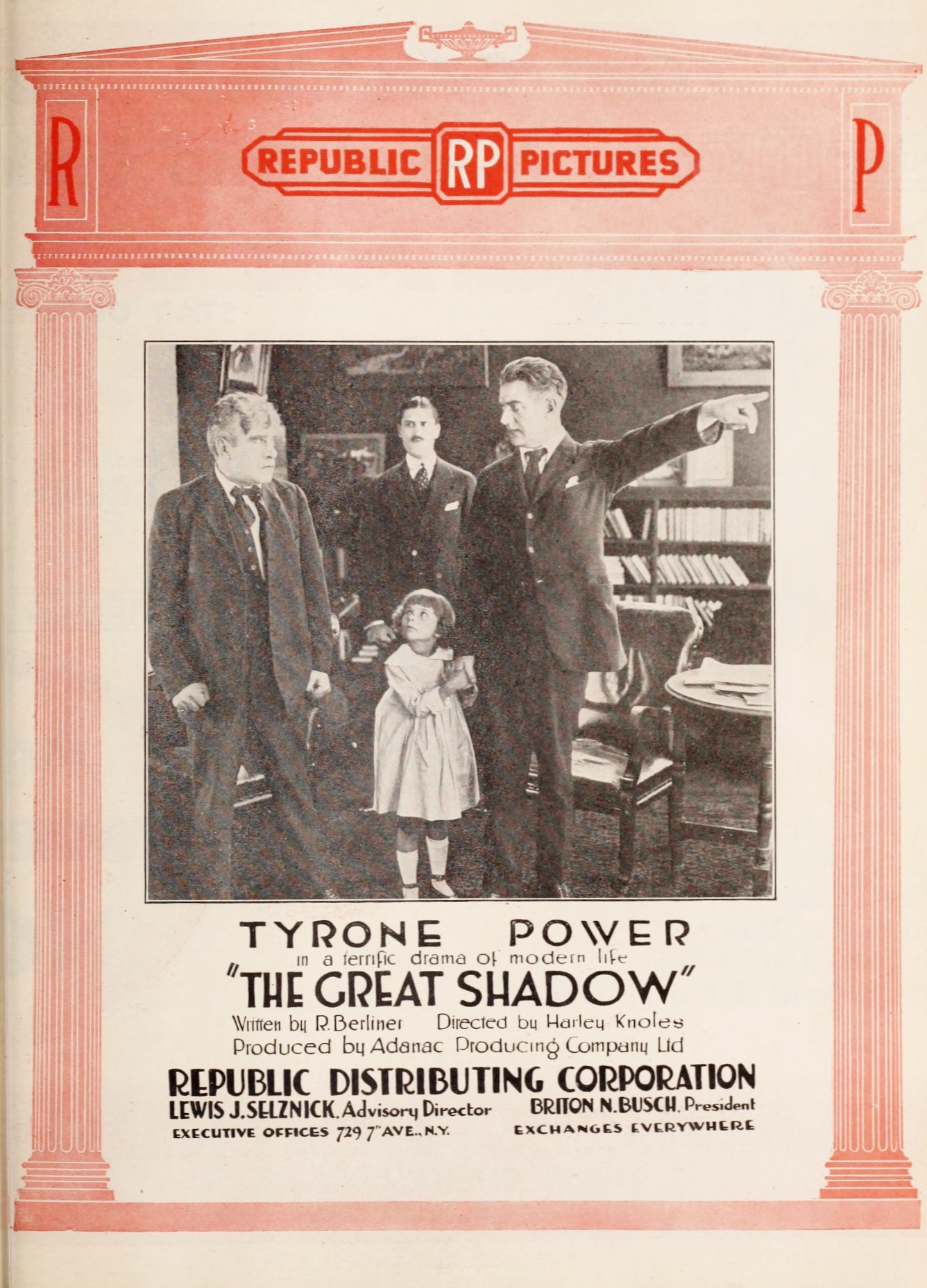
Harley Knoles

Deep dive into the cult classic
Discover similar cinematic experiences
A Directorial Spotlight on Beverly C. Rule