DbcultAccessing Vault...
3.9/10
Senior Film Conservator
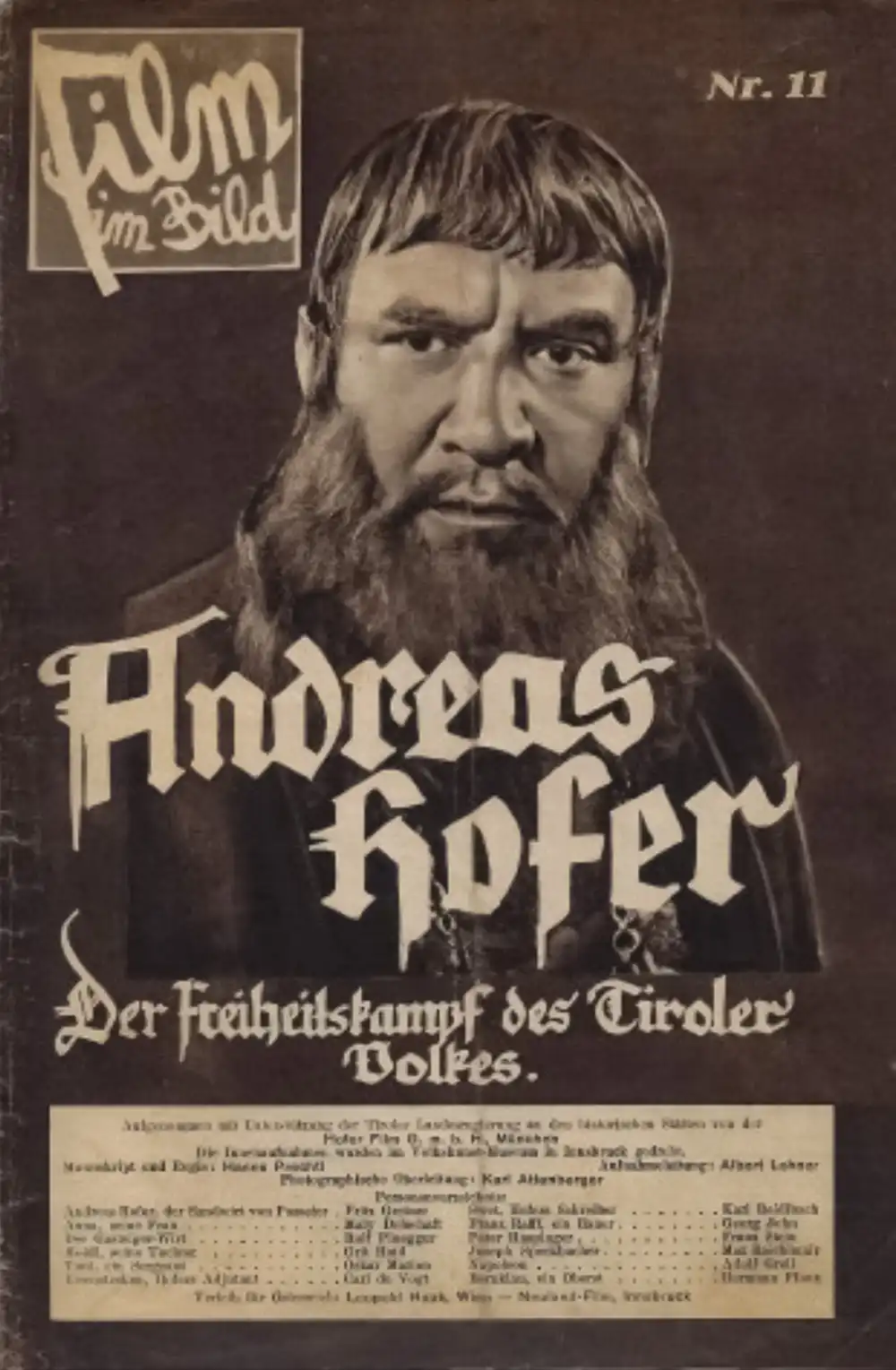
A definitive 3.9/10 rating for a film that redefined the boundaries of cult cinema. Andreas Hofer remains a cornerstone of transgressive art.
So, Andreas Hofer – a silent film from 1929 about, well, the legendary Tyrolean hero. Is it worth digging up today? Absolutely, if you've got a soft spot for sweeping historical dramas, even with their old-timey ways. Folks who appreciate the sheer scale silent epics tried to pull off will probably find something to chew on. But if you're expecting snappy dialogue or modern pacing, you’ll likely be checking your watch every five minutes. This one’s a slow burn, a real commitment. ⛰️
Right from the start, you get a sense of the grandeur they were going for. The mountain shots of Tyrol, wow. They’re just *massive*. You see tiny figures against these huge peaks, and it instantly tells you the stakes. The camera really loves those landscapes, and it’s easy to see why. The sheer majesty of it all feels pretty timeless, actually.
Maly Delschaft, who plays the brave woman by Hofer's side, she just *sells* it with her eyes. No words needed, which is good, obviously. There’s this one close-up of her, maybe a bit too long for today’s standards, but then she just ever so slightly shifts her gaze, and you get this whole story of worry and defiance. It’s quite something.
Adolf Grell as Hofer himself, he’s got that stoic, determined look down. You can feel the weight of his people’s fate on his shoulders in every scene where he’s just standing there, looking out over a crowd. He’s not exactly a dynamic character in the modern sense, more of a symbol, but he owns it.
The crowd scenes, they’re fascinating. You see hundreds of extras, all dressed up, moving en masse. It’s not CGI, right? It’s just… people. Real people. You get this strong sense of community, of a whole population really *behind* their leader. Then, in one shot, a guy in the background looks like he forgot his cue, sort of just wandering into frame a little late. It’s these small, imperfect bits that remind you The Show is from almost a hundred years ago.
And the intertitles, those text cards, they're… direct. Sometimes they just drop a bombshell, like “Hofer is betrayed,” and then it’s on to the next scene. No fancy transitions, just boom. It’s a bit jarring at first, but it also gives the film a kind of no-nonsense, almost journalistic, pace when it wants to push the story forward.
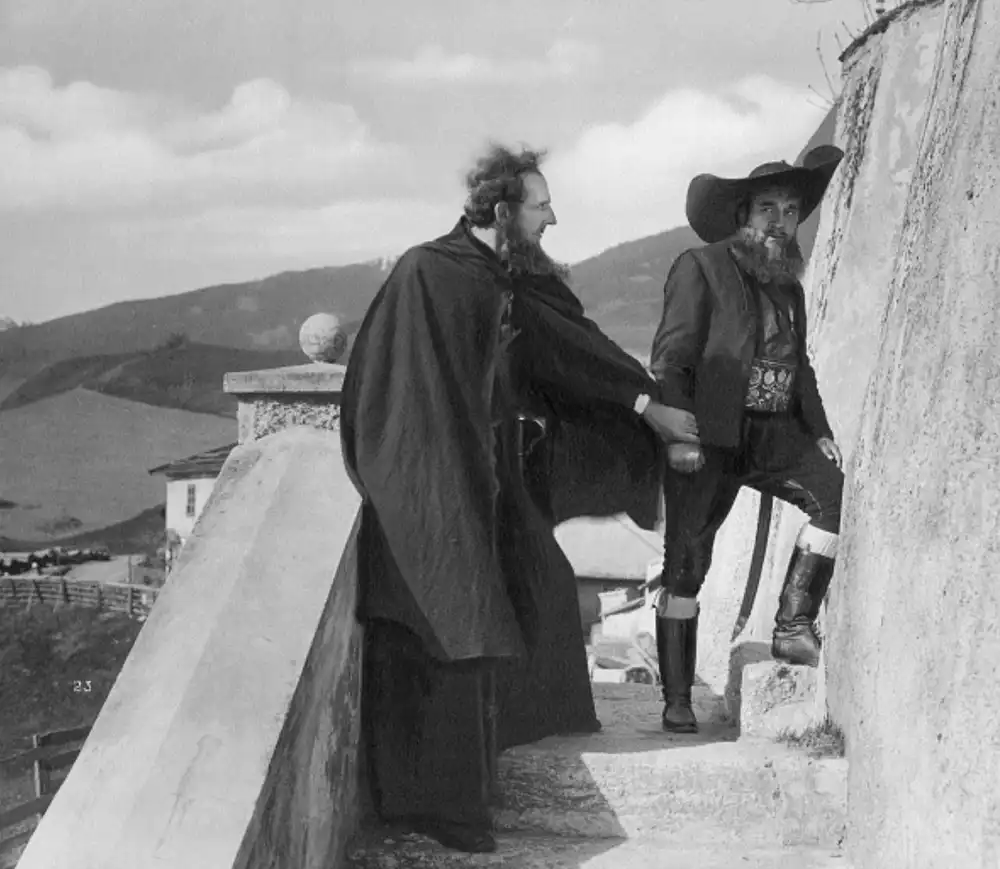
There's a scene where Hofer is addressing his men, rallying them for battle. The way the camera moves, slowly panning across their faces, you really get that sense of shared purpose. Not every face is perfectly expressive, some are just staring blankly, but the cumulative effect is powerful. It makes the struggle feel very real, very human.
Sometimes the film feels like it’s trying *really* hard to be important. Every gesture is grand, every moment is weighted. It can be a little much, honestly. You want to tell it to just breathe a little. But then you remember the era, and how they told these big stories, and you kind of forgive it.
The pacing, for sure, is a challenge for anyone used to quick cuts. There are long takes where nothing much seems to happen, just characters thinking or looking. But if you let yourself settle into it, those moments start to feel meditative. You get to just *be* with the characters, which is a rare thing these days. 🕰️
Is it a masterpiece? Probably not in the way some other silent epics are. But it’s a solid piece of filmmaking that clearly had a vision. It wants to tell you about courage and sacrifice, and it does that, even if it takes its sweet time getting there. You walk away thinking about those mountains and the sheer grit of it all.
Definitely worth a look if you’re into cinema history or just want to see how these big historical tales were spun before sound came along. Just go in knowing what you’re getting into.
IMDb 6.8
1918
Community
Log in to comment.